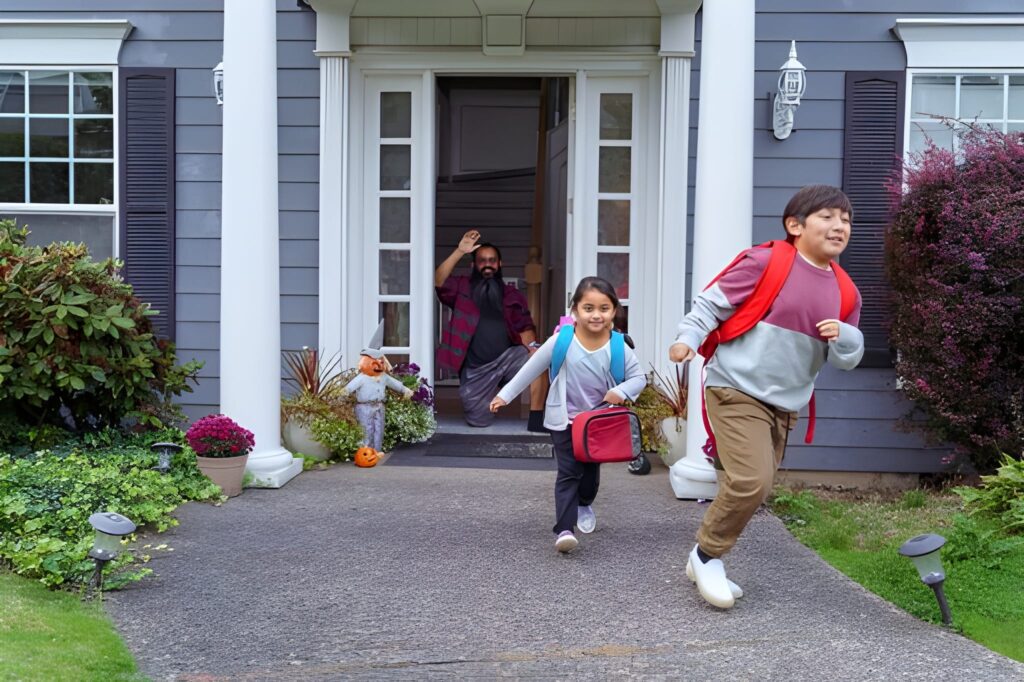
Primary education is universally recognized as the bedrock of learning and development. It provides children with the essential skills they need to navigate the world and serves as the foundation for higher education, employment, and active citizenship. According to UNESCO, nearly 90% of the world’s children are enrolled in primary school, underscoring its critical role in global development. However, the quality and reach of primary education vary widely depending on socioeconomic conditions, government policies, and cultural attitudes. For parents, educators, and policymakers in the United States and beyond, understanding the importance of primary education helps in shaping priorities and investments. Below are ten reasons why primary education is vital for both individual and societal growth.
1. Development of Basic Literacy and Numeracy Skills
The most fundamental role of primary education is to teach children how to read, write, and understand numbers. These skills are not only academic but also practical, enabling children to engage in daily activities such as reading traffic signs, managing money, and understanding medical prescriptions. Without literacy and numeracy, individuals face significant barriers to employment and independence. In the U.S., statistics show that adults without primary education-level literacy earn 40% less than their peers.
2. Cognitive Development and Critical Thinking
Primary education plays a vital role in shaping a child’s intellectual capacity. During these years, children develop memory, problem-solving abilities, and logical reasoning. Teachers encourage curiosity through activities such as puzzles, experiments, and storytelling. These experiences sharpen cognitive skills that become essential later in life when tackling complex subjects like algebra or science. For instance, understanding cause-and-effect relationships begins in early math and science lessons, which later support advanced analytical thinking.
3. Socialization and Emotional Growth
Children first encounter structured social environments in primary schools. Here, they learn cooperation, teamwork, empathy, and respect for authority. Group projects, playground interactions, and classroom discussions teach them conflict resolution and communication. Emotional intelligence develops as children learn to identify and express feelings in constructive ways. These skills influence their ability to build healthy relationships as adults. For children in the U.S., where diverse classrooms are common, primary school also introduces cultural tolerance and inclusivity.
4. Foundation for Higher Education
The skills and habits cultivated in primary school are prerequisites for success in secondary and tertiary education. For example, reading comprehension developed in third grade directly impacts performance in history and science at later stages. Students who fall behind in early grades often struggle to catch up, a trend highlighted in the U.S. by the “third-grade reading law” adopted in many states. The logic is simple: without strong foundations in literacy and numeracy, advanced learning becomes nearly impossible.
5. Reduction of Poverty and Inequality
Primary education is one of the most powerful tools for breaking cycles of poverty. Children who complete primary school are more likely to secure better-paying jobs, support their families, and contribute to the economy. According to the World Bank, every additional year of primary schooling raises a person’s future income by 8–10%. Moreover, free or subsidized primary education helps bridge the gap between wealthy and low-income families, reducing inequality and creating fairer opportunities.
| Impact of Primary Education on Poverty Reduction | Without Primary Education | With Primary Education |
|---|---|---|
| Employment Opportunities | Limited to unskilled labor | Access to skilled/professional roles |
| Income Level | Low, unstable | Higher, more consistent |
| Intergenerational Poverty | Likely to persist | Reduced due to upward mobility |
6. Promotes Health and Well-Being
Schools often introduce children to essential health knowledge, including hygiene, nutrition, and safety. Lessons on washing hands, balanced diets, and physical exercise reduce preventable diseases. Furthermore, educated individuals are better equipped to follow medical instructions and seek appropriate healthcare. UNICEF research shows that child mortality decreases significantly when mothers have even basic primary education. In the U.S., health education in elementary grades plays a role in addressing issues such as childhood obesity by encouraging healthy eating and active lifestyles.
7. Gender Equality and Empowerment
Primary education is a proven pathway to gender equality. Educating girls delays early marriage, reduces fertility rates, and opens doors to economic participation. In many societies, girls without access to primary education are more vulnerable to exploitation and poverty. Ensuring equal access benefits entire communities by creating balanced participation in the workforce and civic life. Globally, UNESCO reports that closing the gender gap in primary education would add billions to national economies annually.
8. Strengthens National Development
Countries with strong primary education systems tend to experience higher levels of economic growth, stability, and innovation. A literate and numerate workforce drives productivity, entrepreneurship, and civic engagement. In the U.S., investment in primary education has historically correlated with periods of economic expansion, such as during the mid-20th century. Beyond economics, primary education fosters responsible citizenship by teaching civic duties, environmental awareness, and national history.
9. Reduces Crime and Social Problems
Studies have consistently shown that lack of education is linked to higher crime rates. Primary education instills moral values, discipline, and respect for rules. When children learn empathy, responsibility, and problem-solving early on, they are less likely to engage in delinquent behavior later. According to research by the U.S. Department of Education, high school dropout rates—which often stem from poor foundations in primary grades—are strongly correlated with higher incarceration rates.
| Education Level | Likelihood of Incarceration |
|---|---|
| No Primary Education | High |
| Completed Primary Only | Moderate |
| Completed Secondary | Lower |
| College Degree | Lowest |
10. Creates Informed and Engaged Citizens
Primary education lays the groundwork for civic participation. Children learn about their rights, responsibilities, and the importance of community. Subjects such as social studies introduce them to concepts like democracy, fairness, and cooperation. In democratic societies like the U.S., this early exposure helps create voters who are more informed and engaged. An educated population also tends to be more active in community service, advocacy, and policy-making, contributing to stronger democratic institutions.
Conclusion
The importance of primary education cannot be overstated. It develops literacy and numeracy, fosters cognitive and emotional growth, reduces poverty, promotes health, empowers girls, strengthens national economies, lowers crime, and builds informed citizens. For individuals, it provides the foundation for lifelong learning and personal fulfillment. For societies, it represents an investment in stability, prosperity, and equality. Policymakers, educators, and families must continue to prioritize primary education to ensure that every child has the opportunity to thrive and contribute meaningfully to the future.