11 Days Post-Embryo Transfer: Decoding the Beta hCG Test and Navigating the Wait
The journey through in vitro fertilization (IVF) involves a series of calculated milestones, none perhaps more emotionally charged than the period following embryo transfer. The 11-day mark, or 11 DPT, stands as a pivotal moment. It represents the earliest possible juncture for a definitive clinical confirmation of pregnancy, sitting at the intersection of biological possibility and emotional anticipation. Understanding the science behind this specific timing, the role of the human chorionic gonadotropin (hCG) hormone, and the inherent limitations of at-home testing empowers individuals to approach this moment with clarity and controlled expectation. This article provides a comprehensive look at the clinical, biological, and psychological factors surrounding the pregnancy test at 11 DPT.
The Significance of the 11-Day Post-Transfer Window
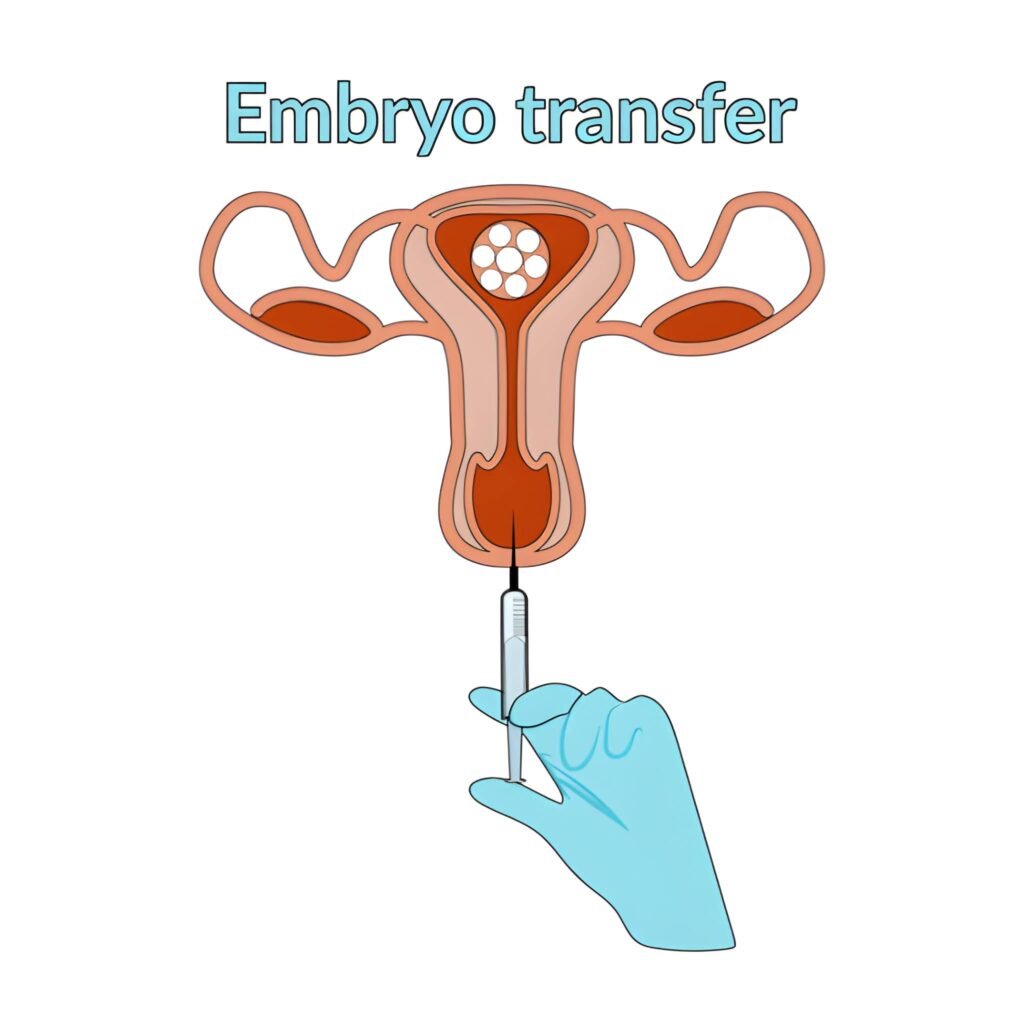
Fertility clinics commonly advise patients to wait between 10 and 14 days following an embryo transfer before undergoing the official pregnancy blood test. The 11 DPT mark often serves as a key reference point, especially after a Day 5 blastocyst transfer. This waiting period is not arbitrary; it aligns precisely with the biological processes necessary for a pregnancy to become chemically detectable.
The entire IVF process culminates in implantation, where the transferred embryo burrows into the prepared uterine lining (the endometrium). This process, known as invasion, takes time. Only once the developing placenta begins to establish connections with the maternal bloodstream can it release sufficient levels of the pregnancy hormone, hCG. Testing too early risks inaccurate results, leading to unnecessary emotional distress.
The Biology of Implantation Timing
The specific timing for hCG production depends on the maturity of the embryo transferred. The transfer procedure typically uses either a Day 3 cleavage-stage embryo or a Day 5/6 blastocyst.
| Embryo Stage at Transfer | Estimated Implantation Start | Time Until Detectable hCG (Approx.) | 11 DPT Corresponds to DPO (Approx.) |
|---|---|---|---|
| Day 3 (Cleavage Stage) | Days 4 to 6 post-transfer | Days 9 to 12 post-transfer | 14 to 16 DPO (Days Post-Ovulation) |
| Day 5 (Blastocyst Stage) | Days 1 to 3 post-transfer | Days 6 to 9 post-transfer | 16 DPO (Days Post-Ovulation) |
The 11 DPT date is therefore highly reliable, particularly for a Day 5 transfer, as it provides a safety buffer ensuring the hCG level has crossed the detection threshold for a high-sensitivity quantitative blood test.
Decoding the Beta hCG: The Definitive Blood Test
The gold standard for pregnancy confirmation following IVF is the quantitative serum blood test, commonly referred to as the Beta hCG test. Unlike a qualitative urine test which only provides a "yes" or "no," the blood test measures the exact concentration of human chorionic gonadotropin (hCG) in milli-International Units per milliliter (mIU/mL).
The function of hCG is critical in early gestation: it signals the corpus luteum in the ovary to continue producing progesterone, a hormone vital for maintaining the uterine lining and supporting the developing pregnancy.
Interpreting hCG Levels at 11 DPT
A single hCG number at 11 DPT offers a preliminary assessment, but context is everything. Fertility specialists focus on two main factors: the baseline value and the rate of subsequent increase (doubling time). A result must be greater than 5 mIU/mL to be considered positive, though most clinics prefer a significantly higher threshold to suggest viability.
- Negative: hCG less than 5 mIU/mL.
- Positive (Requires Repeat): hCG between 5 mIU/mL and 50 mIU/mL.
- Strong Positive: hCG greater than 50 mIU/mL. Many clinics aim for levels exceeding 100 mIU/mL for increased confidence.
The Essential Role of Doubling Time
The initial hCG value merely confirms the presence of trophoblast cells (the cells that form the placenta). The true indicator of a progressing, healthy pregnancy is the rate at which this number increases. In a viable, early pregnancy, hCG levels should increase by at least 66% over 48 hours, or ideally, double every 48 to 72 hours, particularly when the initial level is below 1,200 mIU/mL.
If your initial Beta hCG on Day 11 is 60 mIU/mL, the expected range for the follow-up test on Day 13 (48 hours later) must show growth. For a healthy progression, the minimum acceptable level should be:
60 mIU/mL x 1.66 = 99.6 mIU/mL (Minimum Target)
This calculation demonstrates the minimum 66% increase required for adequate growth. A subsequent reading of 120 mIU/mL (a 100% increase, or doubling) would be considered optimal. The trend, not the single number, defines the outcome.
A low initial number that doubles appropriately may be a sign of delayed implantation, a common occurrence even in successful IVF cycles. Conversely, a high initial number that fails to double warrants immediate monitoring for concerns such as ectopic pregnancy or impending loss.
Why Home Tests Fail During the TWW
The emotional temptation to use an over-the-counter urine pregnancy test (HPT) before the scheduled blood draw is immense. However, fertility specialists caution against this practice for two critical reasons: false negatives and false positives.
The False Negative Risk
Home pregnancy tests are designed to detect hCG in urine, which typically contains only half the concentration found in blood (serum). While some HPTs advertise sensitivity as low as 10 mIU/mL, they lack the quantitative precision of a laboratory blood draw. At 11 DPT, a rising hCG level might still be too low in the urine to trigger a positive result, leading to an inaccurate false negative and unwarranted emotional devastation.
The False Positive Risk: The Trigger Shot Effect
For individuals undergoing a fresh embryo transfer, a significant risk is the false positive. Many IVF cycles utilize an hCG trigger injection (such as Ovidrel or Novarel) 36 hours before egg retrieval to stimulate final egg maturation. This injected hCG can linger in the body for 10 to 14 days. If an HPT is taken too soon, the test detects the residual medication, not the pregnancy itself, producing a false positive result that quickly fades, creating profound disappointment.
Because the quantitative Beta hCG test measures the exact number and tracks its rise, it can differentiate between residual medication and a viable, multiplying pregnancy hormone.
Navigating the Emotional Terrain: The Two-Week Wait
The period between the embryo transfer and the pregnancy test—commonly called the “Two-Week Wait” (TWW)—is widely reported as the most difficult phase of an IVF cycle. This psychological stress is characterized by a high degree of uncertainty, amplified by hormonal medications and physical changes.
Instead of strict bed rest, which lacks scientific support and can increase anxiety, engage in light, gentle activity. Short, mindful walks improve blood flow and offer a beneficial mental shift. Practice deep breathing or simple stretching, focusing on maintaining comfort and relaxation rather than pursuing intense physical exertion.
Decide who you will share the transfer date with and when you will share the result. Many couples choose to tell family and friends the test date is a few days later than reality, creating a crucial buffer of private time to process the news, regardless of the outcome. Connect with partners or trusted, non-judgmental support systems, such as a specialized fertility counselor.
The goal is not to eliminate stress entirely, but to manage and redirect it. Immerse yourself in activities that demand focus: start a new non-fertility-related book series, cook a complex recipe, or engage in a detailed hobby. The simple act of journaling thoughts and anxieties can also provide psychological distance and perspective.
For US audiences, navigating this stress is compounded by socioeconomic factors, including the high cost of IVF treatments and potential insurance limitations. Acknowledging the financial and emotional investment makes the TWW period even more delicate. Prioritizing mental health during this phase is a non-negotiable component of treatment success.
Symptoms: Hormones Versus Early Pregnancy
A frequent source of anxiety during the TWW is the over-analysis of physical sensations. It is essential to recognize that many early pregnancy symptoms are chemically identical to the side effects caused by the high levels of progesterone administered during the luteal phase support (LPS).
| Symptom | Caused by Progesterone (LPS) | Caused by Early Pregnancy (Rising hCG) | Reliability as Indicator |
|---|---|---|---|
| Breast Tenderness/Swelling | Yes, progesterone prepares mammary glands. | Yes, hormonal shifts cause sensitivity. | Very Low |
| Fatigue/Tiredness | Yes, progesterone is a sedative-like hormone. | Yes, the body redirects energy for embryo support. | Very Low |
| Mild Cramping/Pelvic Discomfort | Yes, due to progesterone and follicular cysts from retrieval. | Yes, potential sign of implantation (light pulling). | Low |
| Light Spotting/Bleeding | Yes, irritation from vaginal progesterone suppositories. | Yes, potential implantation bleeding (usually very light). | Low, requires clinical assessment |
The only reliable indicator of a successful implantation is the quantitative Beta hCG blood test. Placing undue emphasis on physical sensations during the TWW creates a cycle of self-doubt and heightened stress that serves no biological purpose and can be mentally exhausting.
Beyond the Number: Understanding the Result
Receiving the Beta hCG result at 11 DPT is a moment of profound relief or deep disappointment. Understanding the possible results prepares you for the next steps.
The Confirmed Positive
A confirmed positive result (typically hCG greater than 50 mIU/mL at 11 DPT) begins the next stage of monitoring. Your clinic will schedule a repeat Beta hCG test 48 to 72 hours later to ensure the level is doubling correctly. Once hCG reaches levels between 1,500 and 2,000 mIU/mL, an ultrasound will be scheduled. This first ultrasound is the true confirmation of a clinical pregnancy, where the gestational sac and, later, the fetal heartbeat, are visualized. This moves the focus from a chemical marker (hCG) to a definitive visualization.
The Ambiguous or Low Positive (Biochemical Pregnancy)
A low positive result (e.g., hCG 6 mIU/mL to 25 mIU/mL) requires careful management. While technically pregnant, this range indicates that the embryo has implanted but may not be developing at an optimal rate. This scenario, a biochemical pregnancy, means the pregnancy is only confirmed chemically and often ends naturally shortly after. Monitoring is crucial; if the hCG level fails to rise or begins to fall, the cycle is unfortunately deemed unsuccessful. It is a necessary reminder that implantation is merely the first step, and the critical processes of continued development follow rapidly.
The Negative Result
A negative Beta hCG test (less than 5 mIU/mL) signifies that the transfer was unsuccessful. This conclusion is definitive and requires a deliberate shift in focus. The first step involves ceasing progesterone supplementation, which will initiate a menstrual cycle. It is important to schedule a follow-up appointment with the fertility specialist to review the cycle, discuss what was learned, and plan the strategy for future cycles. A negative result is not an ending to the fertility journey, but a necessary opportunity for recalibration.