11 Weeks Pregnant: Navigating the Final Stretch of the First Trimester
Expert guidance on fetal growth, maternal changes, and essential preparation for the second trimester.
Table of Contents
What to Expect at 11 Weeks Pregnant
The 11th week marks a critical developmental milestone and signifies the effective end of the embryonic period. Your pregnancy now moves into its fetal stage, where the focus shifts from the formation of major organ systems to rapid growth and refinement. This is often a period of cautious optimism as the risk of miscarriage significantly decreases after this point, providing a sense of relief and stability. Understanding the simultaneous changes in your body and your baby's development empowers you to step confidently toward the second trimester.
Fetal Development: Transitioning to the Second Trimester
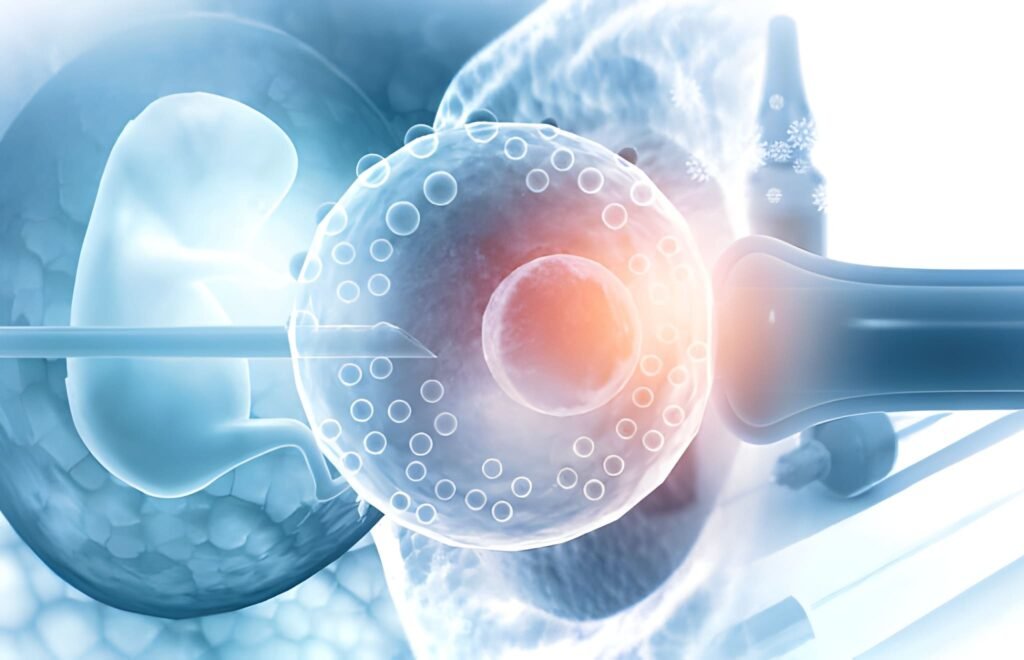
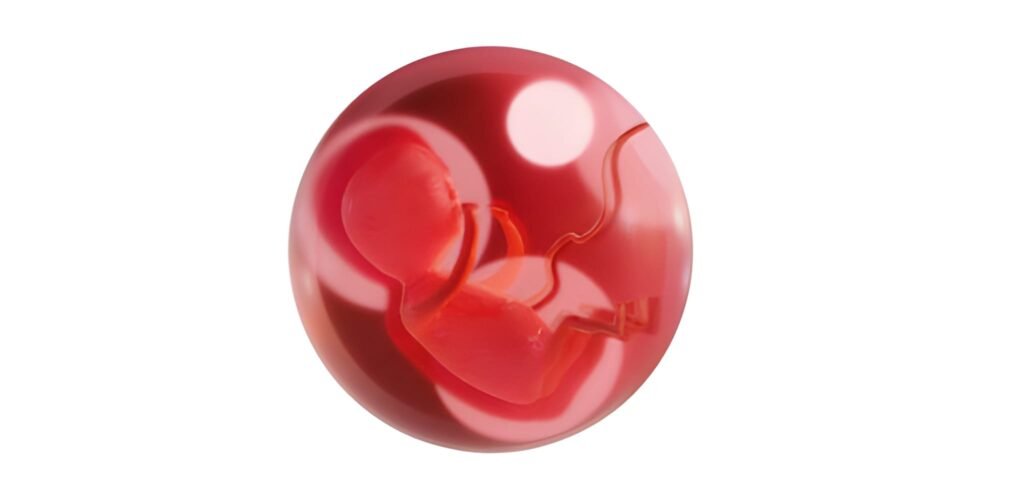
At 11 weeks, your baby, now properly called a fetus, measures approximately 1.6 inches from crown to rump (about 4 centimeters) and weighs about a quarter of an ounce (7 grams). This tiny being is fully formed in miniature; the foundational structures for all organs, muscles, and nerves are in place. The head still represents a large proportion of the body, but the trunk is rapidly lengthening and straightening.
Interactive Fact Box: Fetal Size Comparison
Visualize your baby's size: At 11 weeks, the fetus is roughly the size of a lime or a small fig. Their little limbs are now functional—they can kick, stretch, and move quite a bit, though you likely won’t feel these movements for several more weeks.
All major organs are positioned. The fingers and toes are fully separated, no longer webbed, and tiny fingernails and toenails are beginning to form.
A significant development this week is the formation of the external genitalia, though it remains difficult to identify the sex via ultrasound. The digestive tract is maturing; the intestines, which previously grew into the umbilical cord, are now moving into the abdominal cavity. The fetus also starts producing urine, which contributes to the amniotic fluid. This complex biological choreography ensures readiness for the massive growth spurt of the second trimester.
Changes in the Mother's Body
Physically, the uterus continues its expansion, having grown to roughly the size of a grapefruit. While you may not show a pronounced "baby bump" yet, you might notice your clothes feeling tighter around the waist. This is often due to a combination of uterine growth, bloating, and early weight gain.
Internally, blood volume is aggressively increasing—a critical adaptation to support placental circulation and fetal needs. This volume expansion can lead to some common symptoms:
- Visible Veins: Increased blood flow and volume often make veins, particularly in the breasts and abdomen, more noticeable.
- Heart Palpitations: The heart works harder to pump the extra volume, sometimes leading to harmless but noticeable heart flutters.
- Dizziness: Changes in blood pressure and volume distribution can cause mild lightheadedness, especially when rising quickly.
Emotionally, the shift from high anxiety about the first few weeks to guarded excitement can be profound. Mood swings may still occur, driven by fluctuating hormone levels (progesterone and estrogen), but for many, the overwhelming fatigue and nausea begin to ease, offering a glimpse of the "honeymoon" phase of the second trimester.
Navigating Common Symptoms and Managing Discomfort
Symptom management in the 11th week focuses on mitigation and comfort. While every pregnancy is unique, certain common complaints dominate this period. Approach these symptoms with practical, non-pharmacological strategies first.
Digestive System Changes
The lingering effects of morning sickness (which can, ironically, strike at any time of day) and the onset of new digestive issues require proactive strategies:
- Nausea: Maintain small, frequent meals. Never let your stomach become completely empty. Plain carbohydrates like crackers, toast, or rice can stabilize blood sugar and stomach acid. Ginger tea or supplements often provide relief.
- Constipation: High progesterone levels relax smooth muscle tissue, slowing the intestines. Increase dietary fiber (whole grains, fruits, vegetables) and maintain robust hydration. Consider a magnesium supplement if approved by your provider.
- Heartburn: As the uterus grows, it pushes stomach contents upward. Avoid trigger foods (spicy, acidic, or fatty meals), eat slowly, and remain upright for at least 30 minutes after eating.
The Energy Rollercoaster
Fatigue remains a hallmark of the first trimester due to hormonal demands and increased metabolic rate. However, some women report an initial lift in energy around 11 weeks. Regardless of your experience, prioritize rest. Incorporate short naps and delegate non-essential tasks. A brisk, 20-minute walk can sometimes revitalize you more effectively than sitting, improving circulation without demanding excessive physical exertion.
Sleep Position Tip
While side-sleeping is critical later in pregnancy, maintaining a comfortable sleep position now is important. If you are a back-sleeper, you can continue this for a few more weeks, but start building the habit of side-sleeping (particularly on the left side) by using a supportive body pillow.
Essential Preparation and Planning
Preparation at 11 weeks should focus on solidifying lifestyle foundations and beginning to map out the logistics of the next six months.
Nutrition and Supplementation
The focus shifts from simply surviving nausea to ensuring a consistent intake of nutrient-dense foods. Caloric needs have not increased significantly yet, but nutrient quality is paramount.
Key Nutrients and Their Role at 11 Weeks
| Nutrient | Daily Target (Approx.) | Primary Function at 11 Weeks |
|---|---|---|
| Folate/Folic Acid | 600 micrograms DFE | Completes neural tube development, crucial for brain and spinal cord. |
| Iron | 27 milligrams | Supports the massive increase in maternal blood volume; prevents anemia. |
| Calcium | 1,000 milligrams | Supports early mineralization of fetal bones and tooth buds. |
| Vitamin D | 600 IU | Aids in calcium absorption and supports immune system development. |
Always discuss your specific supplement dosages with your healthcare provider.
Financial and Partner Planning (US Context)
In the US, the complexity of healthcare and parental leave requires early planning. At 11 weeks, use this time to review your insurance policy. Understand your deductible, out-of-pocket maximum, and copays for prenatal care, labor, and delivery.
Furthermore, begin open conversations with your partner and workplace regarding maternity/paternity or parental leave policies. Many companies require several months' notice to coordinate coverage, and understanding the Family and Medical Leave Act (FMLA) is essential, though its protection typically applies only after 12 months of employment. Create a budget that accounts for potential out-of-pocket medical costs and any reduction in income during parental leave. This proactive approach alleviates future stress and solidifies the supportive partnership structure needed for the next phase.
The Nuchal Translucency Scan and Genetic Screening
The 11th week is a key time for prenatal screening. If you choose to have this testing, you will be nearing the window for the Nuchal Translucency (NT) scan, which is typically performed between 11 weeks and 13 weeks and 6 days.
The NT scan is a specialized ultrasound that measures the fluid-filled space at the back of the baby's neck (the nuchal fold). An increased thickness here can indicate a higher risk for chromosomal anomalies, such as Down syndrome (Trisomy 21), or congenital heart defects. This ultrasound is non-invasive and provides a risk assessment, not a definitive diagnosis.
Understanding Your Screening Options
The NT scan is often combined with a blood test (the First Trimester Screen) to refine the risk calculation. Patients often have several non-invasive options available for genetic screening.
Click to Explore Genetic Screening Options
This blood test analyzes small fragments of the baby’s DNA (cell-free DNA) circulating in the mother's blood. It offers a high detection rate for common chromosomal conditions (Trisomy 13, 18, and 21) and can be performed as early as 9 or 10 weeks. It provides a highly accurate risk assessment.
Chorionic Villus Sampling (CVS) is a diagnostic test, typically performed between 10 and 13 weeks, that collects cells from the placenta. This is an invasive procedure that carries a small risk of miscarriage but provides a definitive diagnosis. It is usually reserved for pregnancies with a known risk factor or an abnormal screening result.
This approach combines the results from the first trimester blood test and NT scan with a second blood test in the second trimester. It offers a comprehensive risk assessment, but the final result is not available until the second blood draw is complete.
Making the decision about screening is a personal one. Discuss the specifics of each test, including sensitivity, false positive rates, and implications, with your genetic counselor or obstetrician to determine the path that aligns with your family’s values and comfort level.
When to Contact Your Healthcare Provider
While many symptoms are typical parts of a healthy pregnancy, knowing when to seek professional medical advice is essential for safety. Do not hesitate to call your provider's office if you experience any of the following:
- Severe Abdominal Pain: Sharp, persistent cramping that is not relieved by rest or positional change.
- Heavy Vaginal Bleeding: Bleeding that is heavier than spotting, especially if accompanied by pain.
- High Fever: A temperature exceeding 100.4°F (38°C) that does not respond to Tylenol, as this can indicate an infection.
- Inability to Keep Fluids Down: Signs of severe dehydration, such as concentrated urine, extreme thirst, or dizziness that leads to fainting.
The Importance of Hydration
Dehydration is a common cause of hospitalization during early pregnancy. Since blood volume is expanding rapidly, maintaining optimal fluid intake is crucial. If nausea makes drinking water difficult, try small sips of electrolyte-rich fluids, diluted fruit juices, or frozen pops.
The 11th week represents a powerful threshold—you leave the initial formation stage and enter a period of sustained, robust growth. By understanding the biological shifts, proactively managing symptoms, and initiating key planning discussions, you lay a confident foundation for the remaining journey.