Maternal & Fetal Specialist Series
11 Weeks Pregnant: The Fetal Transition and Final First Trimester Milestones
Witness the transformation from embryo to a distinctly human form as the placenta takes full control of the pregnancy.
Table of Contents
The Fetal Transition: From Embryo to Human Form
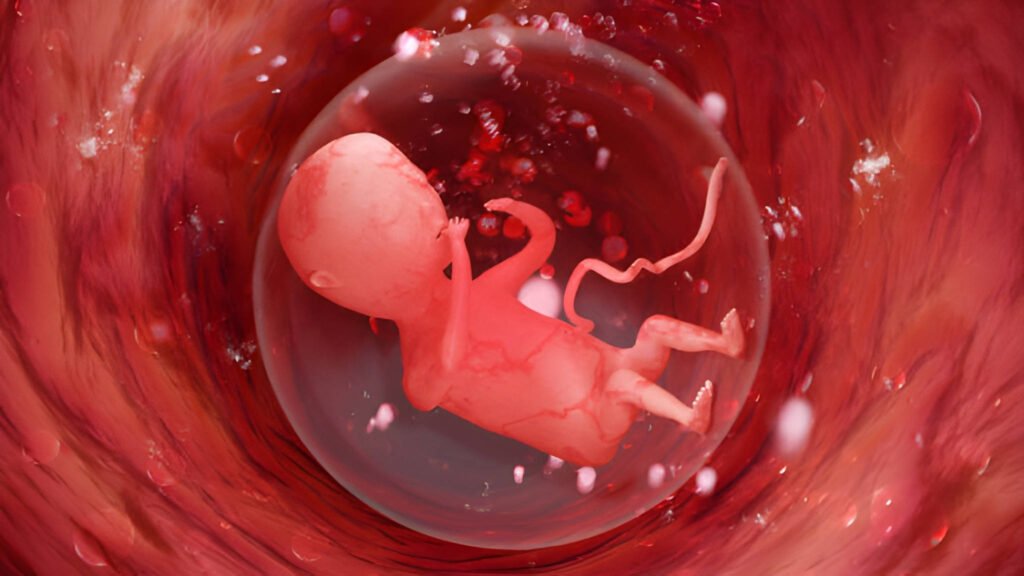
At 11 weeks pregnant, the fetus enters a period of rapid expansion and refinement. The biological designation has long shifted from embryo to fetus, but this week marks the nearly complete assembly of all major internal structures. While the first few weeks focused on basic cellular differentiation, Week 11 prioritizes functional integration and growth. Every essential organ exists in its rudimentary form; the focus now turns to maturation.
The 11th week represents the end of the embryonic period's most vulnerable phase regarding structural birth defects caused by external factors. The foundational blueprint of the body is now locked in place. From the unique fingerprints forming on the tiny fingertips to the hardening of the bones, the fetus begins to look strikingly like a miniature human. The head still accounts for about half of the body's total length, but the torso is beginning to elongate, and the neck is becoming more defined.
Size and Comparison Milestones
Visualizing the fetus helps bridge the gap between abstract hormonal changes and the physical reality of growth. By the start of Week 11, the fetus measures roughly 2 inches in length from crown to rump and weighs about 0.3 ounces. In the clinical community, we often use recognizable objects to describe these dimensions.
| Metric | 11-Week Measurement | Comparison Object |
|---|---|---|
| Crown-Rump Length | 2.0 Inches (50 mm) | A Large Lime |
| Weight | 0.3 Ounces (8 grams) | One Walnut |
| Volume | Approx. 1.5 Tablespoons | A Standard Fig |
While these measurements seem small, the rate of growth is staggering. By the end of this week, the fetus will nearly double its weight and add significant length. This rapid expansion explains the increasing pressure on the maternal bladder and the beginning of the rounding of the lower abdomen.
Organs and Skeletal Development
During Week 11, the internal landscape undergoes several significant upgrades. The skeleton, which started as flexible cartilage, begins the process of ossification. This means the bones are starting to harden. If you could see an X-ray of the fetus now, the spinal column and long bones of the arms and legs would show as bright, distinct structures.
Functional System Milestones
- The Digestive System: The intestines, which previously grew in a loop inside the umbilical cord because there was no room in the tiny abdomen, are now migrating back into the body cavity. This process is usually complete by the end of Week 11.
- Diaphragm Development: The fetus begins to practice breathing movements. While there is no air, the fetus moves amniotic fluid in and out of the lungs, which helps the lungs develop and strengthens the diaphragm.
- External Genitalia: The genitals are developing rapidly. While they look very similar on ultrasound at this exact moment, the distinct male or female characteristics will become unmistakable in the coming weeks.
- Blood Production: The liver is currently the primary site of red blood cell production, a task that the bone marrow will eventually take over later in the pregnancy.
The Placental Handover: A Hormonal Shift
One of the most significant maternal events at 11 weeks is the transition of hormone production. Until now, the corpus luteum (the remnant of the ovarian follicle) produced the progesterone necessary to maintain the pregnancy. By Week 11, the placenta is mature enough to take over this responsibility. This transition is a critical milestone for pregnancy stability.
As the placenta assumes control, many women notice a subtle shift in their symptoms. The extreme "morning sickness" or nausea caused by the rapid rise of hCG often begins to plateau. While it may not disappear overnight, many report a gradual return of appetite and a slight decrease in the overwhelming fatigue that defined the earlier weeks. However, the rise in progesterone can cause new issues, such as slower digestion, leading to bloating and heartburn.
Understanding NIPT and NT Scans
Week 11 opens the clinical window for essential genetic screenings. This is often the time when expectant parents face significant decisions regarding diagnostic and screening tests. It is important to distinguish between a screening test (which calculates risk) and a diagnostic test (which provides a definitive answer).
NIPT is a simple blood test that analyzes fragments of fetal DNA circulating in the mother's blood. It is highly accurate at screening for chromosomal conditions like Trisomy 21 (Down syndrome), Trisomy 18, and Trisomy 13. It can also identify fetal sex. This test can be performed as early as 10 weeks.
This specialized ultrasound measures the clear space at the back of the fetus's neck. An increased measurement can indicate a higher risk for chromosomal abnormalities or heart defects. The NT scan must be performed between 11 weeks and 13 weeks, 6 days.
In the United States, healthcare providers usually offer these tests based on maternal age, medical history, or simply as part of standard care. Socioeconomic factors can influence access to these tests, as insurance coverage varies. Many specialized labs offer "patient-pay" pricing for NIPT for those whose insurance does not cover the screening.
Nutrition and Caloric Math
A common misconception is the need to "eat for two" in the literal sense. During the first trimester, including Week 11, the actual caloric increase required is negligible for most women. The focus should remain on nutrient density rather than quantity.
Caloric Calculation for 11 Weeks
For a person with a standard pre-pregnancy activity level and weight:
- First Trimester (Weeks 1-12): 0 additional calories per day.
- Second Trimester (Weeks 13-26): Approx. 340 additional calories per day.
- Third Trimester (Weeks 27-40): Approx. 450 additional calories per day.
At 11 weeks, your primary nutritional focus should be on Folic Acid (400 to 800 mcg), Iron (27 mg), and DHA for fetal brain development.
Socioeconomic and Workplace Prep
In the U.S. context, Week 11 is an ideal time to begin logistical planning for maternity leave and healthcare costs. The Family and Medical Leave Act (FMLA) provides job-protected leave for eligible employees, but it is often unpaid. Understanding your specific company's short-term disability policies and the state’s paid leave programs is essential for financial stability.
Checklist for Week 11
- Verify FMLA Eligibility: Have you worked at your current employer for at least 12 months and 1,250 hours?
- Audit Health Insurance: Review your "Explanation of Benefits" (EOB) to understand the "global fee" for prenatal care, which often covers all routine visits and delivery.
- WIC Eligibility: For low-to-moderate-income families, the Women, Infants, and Children (WIC) program provides nutritional support, breastfeeding resources, and referrals. Enrollment can begin as soon as pregnancy is confirmed.
Looking Toward the Second Trimester
As you approach the end of the 11th week, you are only a few days away from the start of the second trimester (beginning at Week 13). Many parents choose to wait until the end of the 12th week to announce their pregnancy publicly, as the risk of loss significantly diminishes once the fetus reaches this stage of development and a heartbeat is confirmed via ultrasound.
The transition into the second trimester usually brings a surge of physical energy and a reprieve from early pregnancy symptoms. Use this time at Week 11 to document your journey, perhaps through photos or a journal, as the physical changes will become much more rapid in the coming month. You have successfully navigated the foundational period of pregnancy, and the focus now shifts to growth, movement, and the exciting middle months of your journey.