Fertility and Cycle Analysis
18 DPO and a Negative Test: Decoding the Delay and Evaluating Possibilities
Reaching 18 Days Past Ovulation (DPO) typically signals a significant delay. The expected window for menstruation, known as the luteal phase, rarely extends beyond 16 days. When a home pregnancy test still displays a negative result at this point, it creates uncertainty. This detailed analysis examines the science behind the delay, explores the most common explanations—which often relate to timing—and outlines when professional medical advice becomes necessary to resolve the situation. We focus on clear, grounded information to guide your next steps.
Table of Contents
Understanding the Biological Timeline
Accurate assessment of 18 DPO relies entirely on correct identification of ovulation. The menstrual cycle divides into two parts: the follicular phase (variable length, ending in ovulation) and the luteal phase (relatively fixed length, ending in menstruation or pregnancy).
The Fixed Nature of the Luteal Phase
The luteal phase begins immediately after ovulation and ends when the corpus luteum, which produces progesterone, degrades. This phase is consistently timed, averaging 14 days and almost universally falling within a 12-to-16-day window. If the luteal phase exceeds 16 days, the probability of pregnancy becomes very high because sustained progesterone indicates hCG is present. At 18 DPO, the body should either have detected hCG and be pregnant, or menstruation should have begun. The persistence of a negative test demands scrutiny of the original DPO calculation.
The Role of Human Chorionic Gonadotropin (hCG)
A positive pregnancy test relies on detecting sufficient levels of hCG, the hormone released by the placenta after implantation. Implantation typically occurs 6 to 12 DPO, most commonly around 9 DPO. Once implantation occurs, hCG levels rise exponentially, generally doubling every 48 to 72 hours.
HCG Calculation and Detection Threshold
Imagine implantation occurs at 10 DPO, and the initial hCG level is 2 mIU/mL.
A highly sensitive home test detects 10 mIU/mL.
10 DPO: 2 mIU/mL
12 DPO: 4 mIU/mL
14 DPO (Day of expected period): 8 mIU/mL
16 DPO: 16 mIU/mL (First positive test)
18 DPO: 32 mIU/mL
If implantation occurred even slightly later, say 12 DPO, the hCG level at 18 DPO would be significantly lower, potentially below the detection threshold of some tests. This highlights the importance of the initial implantation date.
The Most Common Explanation: Delayed Events
When a reliable negative result appears at 18 DPO, the primary possibility is that the initial dating of ovulation was incorrect. You are not actually 18 DPO.
When Ovulation Shifts the Calendar
Ovulation is notoriously difficult to pinpoint without medical observation. Even with methods like basal body temperature (BBT) charting or ovulation predictor kits (OPKs), the exact day can be mistaken. OPKs detect the Luteinizing Hormone (LH) surge, which precedes ovulation by 12 to 36 hours. If ovulation occurred three to four days later than estimated, 18 DPO is functionally 14 or 15 DPO, which is within the typical luteal phase range. The late arrival of menstruation in this scenario is simply due to a longer follicular phase.
The Late Implantation Phenomenon
Even if ovulation timing is correct, the timing of implantation varies. While the median is 9 DPO, implantation can happen as late as 12 DPO. In these cases of late implantation, the subsequent rise in hCG is delayed, meaning the hormone may only just be crossing the minimum threshold for a urine test at 18 DPO or later. This is why testing every two days can be informative in this phase.
How to Recalculate Your Fertile Window
If you used multiple methods to track your cycle, reviewing them can help adjust your estimated DPO. Consider the last day you recorded fertile cervical mucus or the peak reading on an OPK, then factor in a possible delay in your luteal phase.
DPO Adjustment Tool
Use this to visualize how a shifted ovulation date affects your expected test day.
Non-Pregnancy Causes for Cycle Delay
If testing confirms non-pregnancy, the delay points toward external or internal factors that affect hormone regulation, causing the body to prolong the luteal phase or skip menstruation entirely.
Hormonal and Thyroid Factors
The body's hormonal systems are deeply interconnected. Irregularity or dysfunction in hormones beyond estrogen and progesterone can delay the menstrual start.
- Thyroid Imbalance: Both hyper- and hypothyroidism can interfere with the signaling required for timely menstruation. The thyroid gland plays a large role in regulating the entire metabolic system, including reproductive hormones.
- Prolactin Levels: Elevated prolactin (the hormone responsible for milk production) can suppress ovulation and progesterone, leading to unpredictable or absent periods.
- PCOS and Ovarian Function: Conditions like Polycystic Ovary Syndrome (PCOS) involve chronic hormonal dysregulation that commonly causes cycles to be longer or entirely unpredictable.
Stress, Illness, and Lifestyle Changes
The hypothalamic-pituitary-ovarian (HPO) axis, which controls the reproductive cycle, is highly sensitive to external inputs.
- Physical or Emotional Stress: Significant trauma, high-stakes work periods, or emotional crises can prompt the hypothalamus to temporarily suspend normal hormonal signaling, delaying ovulation and subsequently delaying the entire cycle.
- Rapid Weight Shifts: Extreme caloric restriction, intense, sudden exercise, or rapid weight loss/gain profoundly impacts hormone balance, causing cycle delays or amenorrhea (absence of menstruation).
- Recent Medication Use: Stopping or starting certain hormonal birth control methods or other prescription medications can cause cycle turbulence for several weeks or months.
Evaluating Test Accuracy and Sensitivity
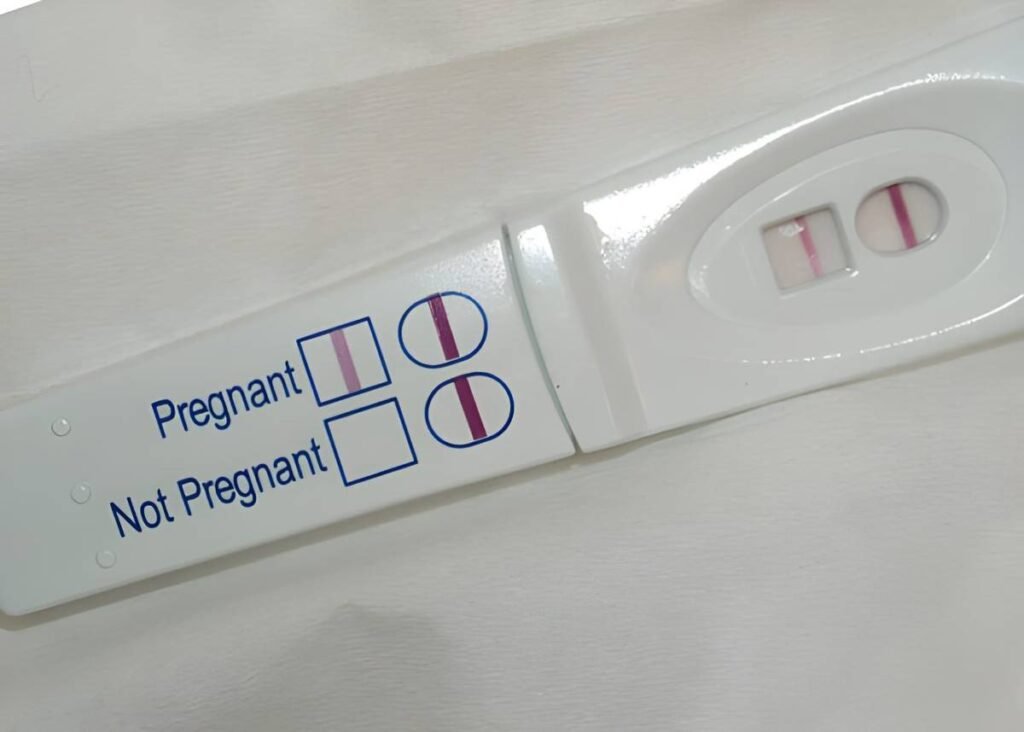
While home tests are generally highly accurate, user error or test selection can occasionally lead to a false negative result, even at 18 DPO.
High vs. Low Sensitivity Tests
Pregnancy tests vary by their sensitivity, measured in mIU/mL (milli-International Units per milliliter). Some tests detect hCG as low as 10 mIU/mL, while others require 25 mIU/mL or higher. If your hCG is rising slowly—perhaps only reaching 20 mIU/mL at 18 DPO due to late implantation—a low-sensitivity test could yield a negative result, even when pregnant.
Timing and Dilution Factors
The concentration of hCG in urine is highest in the morning. Diluting the urine by drinking excessive fluids before testing can drop the hormone concentration below the detection threshold, creating a false negative. Always use the first morning urine if possible, or urine held for at least four hours.
When to Initiate Medical Action
If you are 18 DPO (or later) and continue to test negative, the next definitive step is a blood test, followed by a deeper investigation if the delay continues.
Quantitative Blood Testing (Beta hCG)
A medical provider can order a quantitative serum beta hCG test. This blood test measures the precise level of hCG in the bloodstream, providing an exact number, not just a positive or negative result. This test is far more sensitive than any home urine test. If the result is below 5 mIU/mL, pregnancy is ruled out for that cycle. If the result is between 5 and 25 mIU/mL, a repeat blood test 48 hours later confirms viability or progression.
Addressing Amenorrhea and Cycle Irregularity
If the blood test is negative and menstruation does not begin within a few more days, the provider begins investigating non-pregnancy causes. The diagnostic pathway includes:
- Full Hormonal Panel: Checking thyroid-stimulating hormone (TSH), prolactin, and sometimes FSH/LH levels.
- Ultrasound: Performing a pelvic ultrasound to evaluate the ovaries (for signs of PCOS or cysts) and the uterine lining.
- Cycle Induction: If no medical explanation is found, the provider may prescribe progesterone (such as Provera) to medically induce a withdrawal bleed and reset the cycle.
Summary of Actions at 18 DPO, Negative Test
- Wait 48 Hours: Re-test using first morning urine with a high-sensitivity test.
- Consult Provider: Schedule an appointment for quantitative serum hCG testing to gain a definitive numerical answer.
- Investigate Root Cause: If blood test is negative, work with the provider to explore underlying hormonal or lifestyle factors causing the cycle delay.
Persistent uncertainty at 18 DPO requires a calm, systematic approach. Focus first on confirming the timing of events, then on obtaining definitive medical testing. Whether the outcome confirms a late pregnancy or an underlying cycle irregularity, professional guidance ensures the best path forward for your reproductive health.