The Very Beginning of the Journey
2 DPO Pregnancy Symptoms: Understanding the Earliest Days and Progesterone's Role
Table of Contents
- The Biological Timeline: What Happens at 2 DPO?
- The Progesterone Pilot: Why Symptoms Feel Real
- Symptom Analysis: 2 DPO vs. Regular Cycle
- Busting the Early Symptom Myth
- Implantation: The True Start of Pregnancy Symptoms
- Maximizing Accuracy: When to Start Tracking
- Navigating the Wait: Emotional and Physical Self-Care
The Biological Timeline: What Happens at 2 DPO?
At two days past ovulation (2 DPO), the reproductive system is engaged in a remarkable, microscopic process, but it is one that remains entirely contained within the fallopian tube. If fertilization was successful, the fertilized egg, now called a zygote, has already undergone its first stages of cellular division and is now a rapidly dividing cluster of cells known as a morula.
During this short, two-day period, the morula is actively traveling toward the uterus, propelled by tiny, hair-like cilia lining the fallopian tube. This is a critical stage of transit. Crucially, at 2 DPO, the developing embryo has not yet reached the uterine cavity, and therefore, it is physically impossible for the pivotal event of pregnancy—implantation—to have occurred. Since implantation is the necessary trigger for the production of Human Chorionic Gonadotropin (hCG), no true pregnancy symptoms can manifest at 2 DPO.
The Progesterone Pilot: Why Symptoms Feel Real
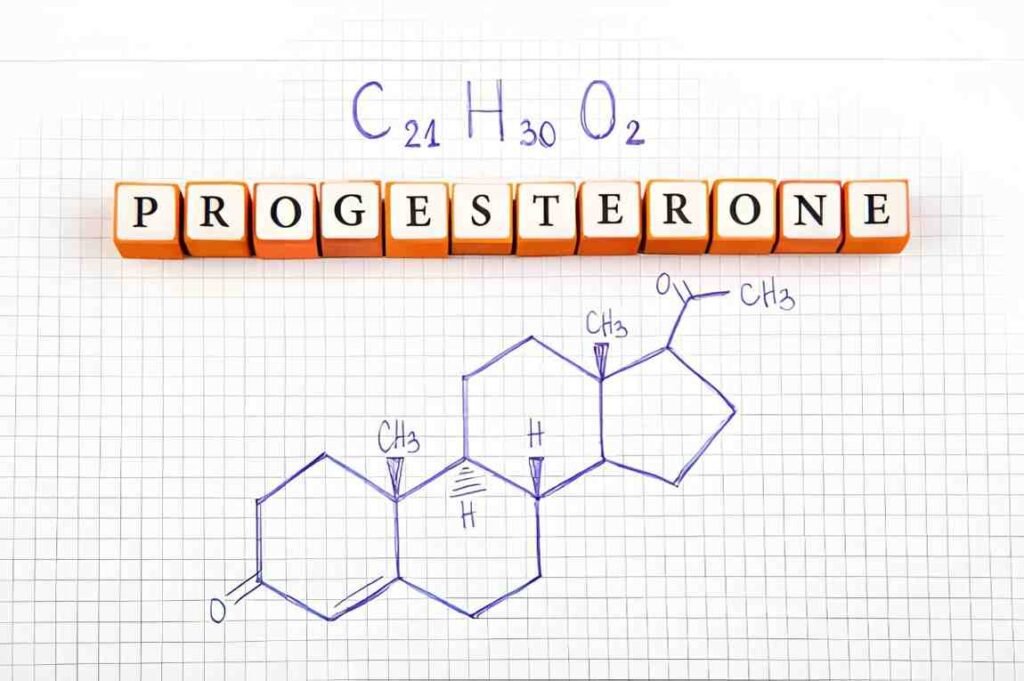
If any physical symptoms arise at 2 DPO, they are driven exclusively by the hormone progesterone. This powerful steroid hormone is released by the corpus luteum, the cyst-like structure that remains on the ovary after the egg is released during ovulation. This hormonal surge occurs in every single menstrual cycle, regardless of whether conception takes place.
Progesterone's Role and Common Effects
Progesterone’s primary function during the luteal phase (the period after ovulation) is preparing the uterine lining (the endometrium) for implantation. To achieve this, it triggers several systemic changes that mimic the early signs of pregnancy:
- Increased Body Temperature: Progesterone acts as a thermogenic hormone, causing a measurable rise in basal body temperature (BBT).
- Fluid Retention and Bloating: It relaxes smooth muscles and can cause the body to retain water, leading to the feeling of heaviness or bloating.
- Breast Tenderness: It prepares the mammary glands, causing increased blood flow and fluid retention in the breasts, leading to soreness and sensitivity.
- Fatigue and Sleepiness: Progesterone has mild sedative qualities, often inducing feelings of tiredness or drowsiness.
Symptom Analysis: 2 DPO vs. Regular Cycle
During the intense observation period of the Two Week Wait (TWW), it is easy to assign specific meaning to familiar bodily sensations. The interactive accordion below dissects the most common 2 DPO reports and clarifies their origin.
2 DPO Symptom Reality Check
Origin: Luteal phase progesterone and the initial shrinking of the corpus luteum. The feeling is often uterine fullness, not implantation.
Reality: True implantation cramps occur 4-10 days later. Any sensation now is routine uterine movement or normal post-ovulatory pain.
Origin: Progesterone surge. The hormone causes blood vessel dilation and fluid retention in the mammary tissue, which leads to tenderness.
Reality: This sensation is identical to Premenstrual Syndrome (PMS) breast tenderness and offers no predictive value for pregnancy at this stage.
Origin: Progesterone's mild sedative properties. The body is conserving energy and relaxing smooth muscle, promoting rest.
Reality: While fatigue is a major pregnancy symptom, at 2 DPO, it is exclusively a result of the standard luteal hormonal profile.
Busting the Early Symptom Myth
The misconception that true pregnancy symptoms can appear at 2 DPO stems from a common confusion regarding the biological trigger. Symptoms like nausea, intensified fatigue, and frequent urination begin only when the body receives the chemical signal from the placenta, meaning hCG must be present.
HCG: The Undetected Trigger
HCG is undetectable at 2 DPO. The hormone's production begins immediately upon successful implantation, which occurs in the mid-luteal phase.
- Earliest Implantation: $6$ DPO
- Average Implantation: $8$ to $10$ DPO
- Earliest hCG Detection (Blood): $8$ to $10$ DPO (and even then, levels are only $2$ to $5$ mIU/mL)
Implantation: The True Start of Pregnancy Symptoms
The earliest genuine sign of pregnancy that is distinguishable from routine progesterone effects is implantation spotting or implantation cramping. Even these are not universal, as only about $25$ percent of pregnant women experience implantation bleeding.
Distinguishing Implantation vs. Luteal Phase Signs
| Sensation | 2 DPO (Luteal Phase) | 6-12 DPO (Implantation Window) |
|---|---|---|
| Spotting | Rarely occurs, if so, it relates to hormonal fluctuation after ovulation. | Light pink or brown spotting, lasting 1-2 days, triggered by embryo embedding. |
| Cramping | Mild, generalized ache due to progesterone effects or post-ovulation pain. | Sharp, short twinges or pulling sensation, often localized to one side. |
| Nausea | Absent or extremely rare; tied to other digestive factors. | Begins to appear as hCG levels rise, often linked to olfactory sensitivity. |
| Test Result | Always negative, as hCG is absent. | Possible faint positive on high-sensitivity tests (late in the window). |
Maximizing Accuracy: When to Start Tracking
If symptom-spotting at 2 DPO causes stress, shift focus to objective tracking methods that provide clarity as the cycle progresses. Accurate cycle knowledge is the best predictor, reducing the mental burden of the TWW.
Objective Tracking for Predictive Value
- Basal Body Temperature (BBT): Continuing to track BBT post-ovulation is the only non-hormonal, objective way to distinguish a potentially pregnant cycle before a positive test. Progesterone keeps the temperature elevated. If the temperature remains high past $16$ DPO (when the period would normally arrive), it strongly suggests sustained progesterone production, indicating potential pregnancy.
- Cervical Fluid: Tracking changes in cervical fluid consistency can confirm the progesterone-dominated luteal phase (creamy, thicker discharge) but will not confirm pregnancy until later.
- Progesterone Testing: For women undergoing fertility treatment, a blood test for progesterone (often at $7$ DPO) confirms the strength of the corpus luteum but is not diagnostic for pregnancy itself.
Navigating the Wait: Emotional and Physical Self-Care
The early phase of the TWW, including 2 DPO, is emotionally taxing. Managing the natural desire for immediate answers requires shifting the focus from internal scrutiny to external self-care.
Mental Strategies for the TWW
- Focus on the Fixed Timetable: Reaffirm the scientific fact that nothing is detectable for several more days. Treat this week as a normal post-ovulatory week.
- Delay Testing: Commit to delaying the first home pregnancy test until at least $12$ DPO, or ideally $14$ DPO (the missed period). Early testing drastically increases anxiety and the likelihood of ambiguous or misleading results.
- Engage the Body: Maintain a gentle exercise routine and focus on nutrient-dense eating. Avoid intense exercise that could disrupt the overall hormonal balance, but do not stop moving. Moderate activity helps manage stress and anxiety.
Self-Care Focus: Managing Expectations
For couples trying to conceive in the US, where intense goal-setting is common, the forced passivity of the TWW can be frustrating. Shift the goal from "getting pregnant this month" to "managing my stress and maintaining physical health this month." This strategy empowers individuals to control their environment and emotional state rather than fixate on an outcome they cannot influence.
Conclusion: Patience is the Earliest Step
The experience of 2 DPO is entirely governed by the progesterone surge following ovulation. While the physical feelings of bloating, fatigue, and tenderness are real, they are physiological remnants of the regular menstrual cycle and do not confirm a pregnancy. The journey of the TWW requires patience until the embryo reaches the uterus and implantation occurs (between 6 DPO and 12 DPO). The best action at 2 DPO is intentional self-care, objective tracking, and a firm commitment to delaying testing until the earliest window of reliability opens toward the end of the first week post-ovulation.