Definitiveness of the 25 DPO Result: No Room for Doubt
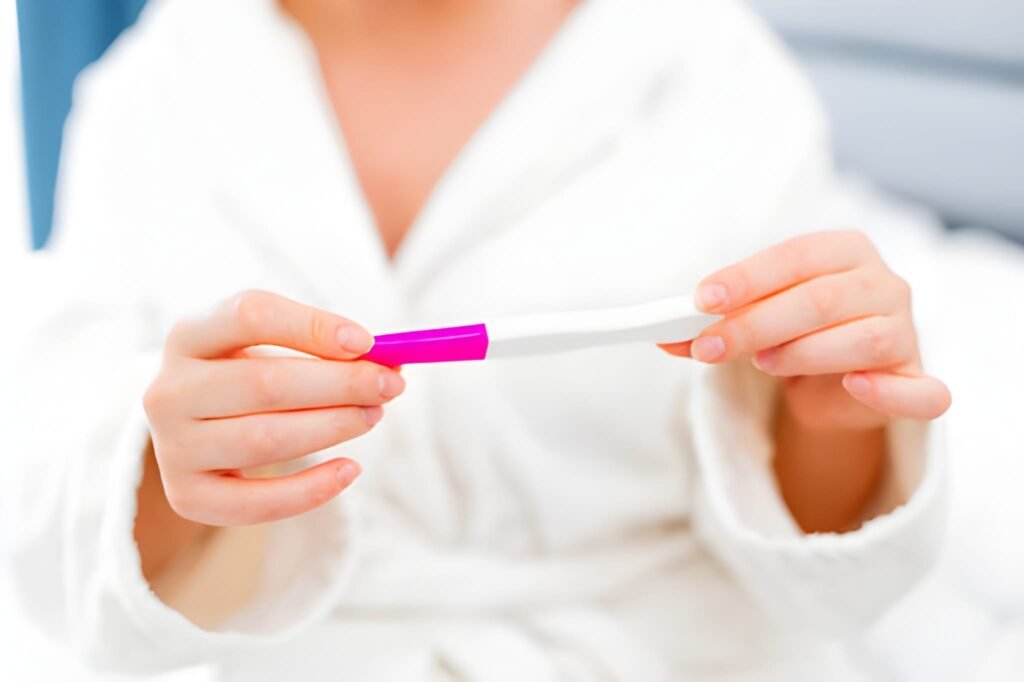
Twenty-five days past ovulation (25 DPO) signifies that the menstrual period is typically 11 days late, assuming a standard 14-day luteal phase. At this advanced stage, the result of a home pregnancy test (HPT), whether positive or negative, is considered medically definitive. Further retesting is unnecessary; attention must shift immediately to managing the established outcome—either a confirmed pregnancy or a significant cycle interruption.
The Impossibility of a False Negative
Pregnancy requires the human chorionic gonadotropin (hCG) hormone to double approximately every 48 to 72 hours following implantation. Implantation occurs, at the latest, by 12 DPO. By 25 DPO, the hCG hormone has had over 13 days of exponential growth. A healthy pregnancy would have produced hCG levels far exceeding the 25 mIU/mL threshold required by standard HPTs, making a false negative scientifically improbable.
HCG Level at 25 DPO: The Projected Minimum
Assuming the absolute latest implantation date (12 DPO) with initial hCG of 5 mIU/mL, and an hCG doubling time of 48 hours:
12 DPO: 5 mIU/mL
16 DPO: 20 mIU/mL
20 DPO: 80 mIU/mL
25 DPO (13 days post-implantation): **Approx. 288 mIU/mL**
This projected minimum level confirms that any negative test at 25 DPO must be attributed to an absence of pregnancy, not low hormone levels.
If the Test is Positive: Clinical Confirmation and Early Care
A positive result at 25 DPO is a clear indication of pregnancy. Based on standard dating, you are approximately **5 weeks and 4 days pregnant** (since pregnancy is counted from the start of the last menstrual period, approximately 14 days before ovulation).
Immediate Action Checklist
- Contact Your Healthcare Provider: Schedule your first prenatal appointment. Your provider may order a quantitative serum hCG blood test to confirm the concentration and monitor the initial rate of increase.
- Start/Continue Prenatal Vitamins: Ensure consistent intake of a quality prenatal vitamin containing at least **400 micrograms (mcg) of folic acid**. This is critical for preventing neural tube defects.
- Review Medications: Cease any intake of alcohol, tobacco, and recreational drugs, and verify the safety of all prescribed medications and herbal supplements with your physician.
If the Test is Negative: Diagnosing Secondary Amenorrhea
If the test is negative, the absence of menstruation is caused by a failure to ovulate. This three-and-a-half week delay falls under the clinical diagnosis of **Secondary Amenorrhea**.
The Underlying Cause: Anovulation
The period is missing because the body did not complete the essential step of releasing an egg. Without ovulation, the corpus luteum, which produces the essential hormone progesterone, does not form. Without progesterone, the uterine lining does not receive the signal to shed, and the cycle stalls. The goal now is to diagnose why the **Hypothalamic-Pituitary-Ovarian (HPO) axis** communication broke down.
Causes of Anovulation and HPO Disruption
The interruption can stem from environmental stress or an underlying metabolic disorder. These categories guide the necessary clinical investigation.
Hypothalamic Amenorrhea (HA)
HA is the most common cause of sustained cycle absence in otherwise healthy women. It results from the hypothalamus shutting down the reproductive cycle due to perceived threat. Triggers include:
- Chronic Stress: High cortisol suppresses GnRH, the master hormone.
- Low Energy Availability (LEA): A state created by over-exercising combined with under-eating, signaling metabolic danger.
- Rapid Weight Change: Significant and rapid gain or loss disrupts hormone signaling.
Post-Pill Amenorrhea
If you recently discontinued hormonal birth control (pills, injections, or implants), the body's natural hormone production may take several months to fully resume. This is a temporary delay, but it requires confirmation that no other medical factor is contributing to the cycle absence.
Endocrine and Metabolic Screening Protocol
If lifestyle factors do not explain the 25 DPO delay, the clinical investigation must rule out chronic endocrine conditions.
| Condition | Hormone Imbalance | Clinical Diagnostic Steps |
|---|---|---|
| PCOS | High Androgens, Insulin Resistance | Blood tests (Androgens, Glucose tolerance) and Pelvic Ultrasound. |
| Thyroid Dysfunction | TSH imbalance (Hypo- or Hyperthyroidism) | Blood tests (TSH, T4) to assess metabolic regulation. |
| Hyperprolactinemia | Elevated Prolactin Hormone | Blood test for Prolactin, sometimes followed by pituitary imaging. |
| Premature Ovarian Insufficiency | Low Estrogen, High FSH/LH | Blood test to assess remaining ovarian function. |
Mandatory Clinical Investigation Protocol
A delay this long requires medical intervention not only for diagnosis but to protect the uterus. Prolonged unopposed estrogen exposure (estrogen building the lining without progesterone shedding it) can, over time, increase the risk of uterine hyperplasia.
Diagnostic Ultrasound and Bloodwork
Your physician will perform a pelvic ultrasound to measure the thickness of the endometrial lining. If the lining is thick, a period is needed. Simultaneously, a comprehensive hormone panel is drawn to pinpoint the exact cause of the anovulation.
Resolving the Cycle: The Progesterone Challenge
The safe and effective way to end the stalled cycle is through a **Progesterone Challenge**. A short course of synthetic progesterone is prescribed. Upon discontinuation, the rapid withdrawal of the hormone triggers a bleed, confirming the body has sufficient estrogen and safely preparing the body for a managed return to regular cycling.
Restoring Cycle Regularity: Focused Management
The long-term goal is to correct the root hormonal or lifestyle imbalance discovered during the investigation, thus promoting spontaneous ovulation.
Primary Action Point: Seek Professional Guidance
At 25 DPO, self-diagnosis is inadequate. The certainty of the pregnancy test allows for an immediate shift to proactive medical diagnosis. Schedule your appointment to ensure your hormone levels and uterine health are properly managed.