33 Weeks Twin Pregnancy: The Final Sprint—Monitoring, Discomfort, and Delivery Preparation
Navigating Extreme Physical Load and Critical Fetal Surveillance in the Third Trimester
Table of Contents
Reaching 33 weeks in a twin pregnancy means entering a critical period where the focus shifts entirely from fetal formation to fetal maturation and maternal management. This stage is marked by an exceptional physical load—the average twin belly at 33 weeks is comparable to a single pregnancy at 40 weeks, often pushing the pregnant individual to their limits of mobility and comfort. Clinically, 33 weeks is often the start of intensified monitoring. Understanding the purpose of this surveillance and recognizing key physical limits are essential steps for protecting the final developmental weeks of both fetuses.
The 33-Week Twin Milestone: Entering the Home Stretch
For most twin gestations, the expected delivery date falls between 36 and 37 weeks. Therefore, at 33 weeks, you have entered the final few weeks of the pregnancy. This milestone is about survival and growth; every day the fetuses remain in utero allows for crucial brain and lung maturation, directly improving their outcomes.
Uterine Volume and Pressure
The total volume inside the uterus—comprising two fetuses, two placentas, and significantly increased amniotic fluid—is staggering. This bulk physically pushes against the maternal lungs, ribs, and diaphragm, making breathlessness (dyspnea) constant, and intensifying pelvic and back pain. The body is operating at peak capacity, demanding absolute prioritization of rest.
Fetal Development at 33 Weeks: Critical Weight Gain
The primary developmental goal now is weight accumulation, which is essential for successful postnatal adaptation. Both fetuses are likely to be monitored closely for individual growth trajectories.
Weight, Lungs, and Immunity
Each fetus now weighs, on average, between 4 and 4.5 pounds and measures around 17 inches in length. They are:
- Gaining Weight: They are gaining fat rapidly beneath the skin, which will help regulate body temperature after birth.
- Maturing Lungs: While the lungs are structurally formed, they are perfecting surfactant production. This substance prevents the air sacs from collapsing and is a primary factor in reducing respiratory distress syndrome (RDS) risk.
- Immune Boost: The fetuses are receiving crucial antibodies from the maternal bloodstream, building up the passive immunity they will rely on during their first few months of life.
Maternal Body: Extreme Pressure and Discomfort
The experience of carrying twins at 33 weeks is amplified compared to a singleton pregnancy. The discomforts are mechanical, chronic, and significantly reduce mobility.
Profound Sleep Difficulty
Finding a comfortable and safe sleeping position is extremely challenging. The large abdominal mass makes turning difficult, and the pressure on the vena cava necessitates strict side-sleeping. Frequent nighttime urination and breathlessness further fragment sleep, contributing to daytime fatigue and reduced coping capacity.
Rib and Sciatic Pain
The continued upward pressure of the uterus often leads to acute pain in the rib cage (costochondritis), where the ribs flare and the muscle attachments are strained. Furthermore, the combined effects of the hormone relaxin and the weight compressing the sciatic nerve can cause sharp, radiating pain down the legs and glutes, requiring consistent stretching and professional bodywork (chiropractic or massage) focused on pelvic stability.
Iron and Fatigue: The total blood volume in a twin gestation is exceptionally high, which means the risk of iron-deficiency anemia is also higher. Severe fatigue at 33 weeks may indicate low iron stores, necessitating blood work and often high-dose iron supplementation under provider guidance.
Clinical Monitoring: Increased Surveillance Schedule
The standard monitoring schedule accelerates dramatically at 33 weeks to manage the primary risks of multi-fetal gestation: preeclampsia, preterm labor, and fetal growth restriction.
Biweekly Appointments and Stress Tests
Prenatal visits usually increase to every week or biweekly, and specialized tests become routine:
- Nonstress Tests (NSTs): Often performed once or twice a week, an NST monitors the fetal heart rates in response to movement, assessing the central nervous system health of each fetus.
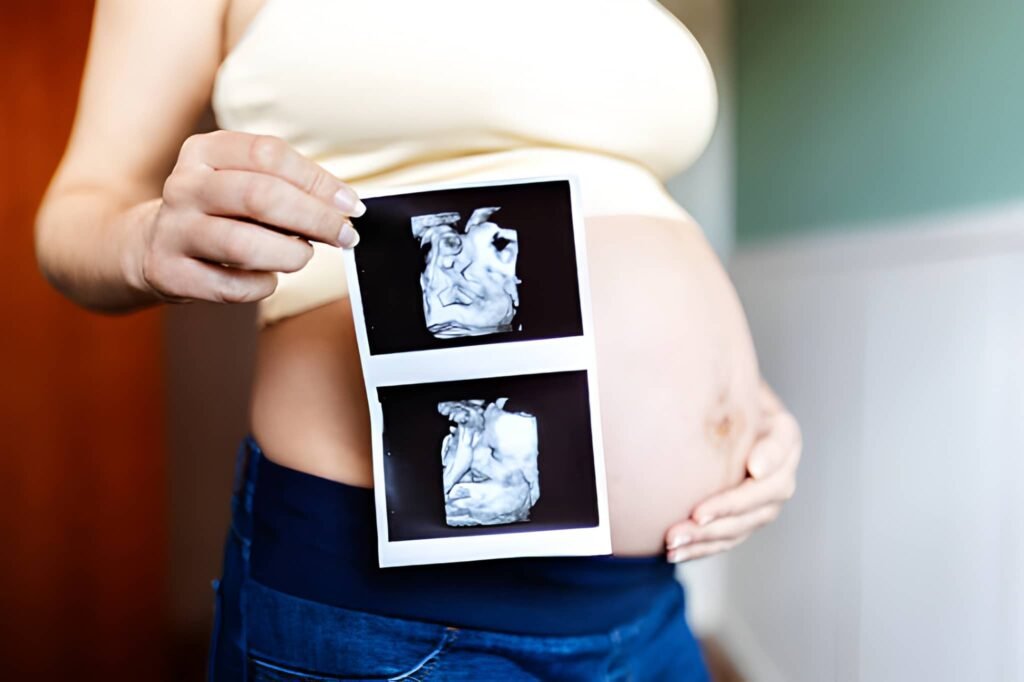
- Biophysical Profiles (BPPs): This ultrasound assessment checks five parameters (fetal breathing, movement, tone, amniotic fluid volume, and NST result) to score the immediate health and viability of the fetuses.
- Doppler Ultrasounds: Used to check blood flow resistance and velocity in the umbilical cords and key fetal vessels, ensuring the placentas are functioning optimally and there is no sign of growth restriction.
Preparing for Delivery: Timing and Logistics
The discussion of delivery methods and timing becomes concrete at 33 weeks, guiding the final logistical planning for the birth.
Optimal Delivery Timeline
For uncomplicated dichorionic/diamniotic (Di/Di) twins (separate sacs and placentas), delivery is often scheduled between **37 weeks 0 days and 38 weeks 0 days**. For monochorionic/diamniotic (Mo/Di) twins (shared placenta, separate sacs), delivery is often earlier, between **34 weeks 0 days and 37 weeks 0 days**, due to higher risk.
Hospital Bag and Contingency Plans
Due to the elevated risk of spontaneous preterm labor, the hospital bag should be packed and ready now. Discussions with the provider should clarify the hospital protocol for both a spontaneous labor and a potential scheduled induction/cesarean, including the necessary arrangements for the neonatal intensive care unit (NICU) team, which is often present at the delivery of twins even when born near term.
Interactive Checklist: Identifying Warning Signs
Preterm labor, placental issues, and preeclampsia remain serious risks at 33 weeks. Use this checklist to monitor for the critical symptoms that require immediate contact with your healthcare provider.
Check any urgent symptoms requiring immediate medical attention:
Status: No urgent signs selected. Continue regular monitoring.
Summary: Prioritizing Rest and Clinical Guidance
The 33-week twin pregnancy is defined by the relentless demands of rapid fetal growth and the accelerated maternal clock. The discomforts—from sleep fragmentation to rib pain—are physically exhausting, reinforcing that adequate rest is the single most important intervention now. Embrace the increased clinical monitoring as a necessary safety net, and use the clarity provided by your care team to finalize delivery logistics. By prioritizing rest and remaining vigilant for any urgent warning signs, you successfully manage the intense final stage of this remarkable gestation.