A focused guide to caloric needs, key micronutrients (Iron, Calcium, DHA), and sample meal planning during the baby's phase of rapid structural and brain growth.
Article Navigation
Second Trimester Caloric Needs and Weight Gain
The second trimester is the period when the body actively recruits energy to fuel the fetus’s rapid development. Unlike the first trimester, where caloric needs change little due to slower fetal growth, the 4th to 6th months require a significant, consistent energy increase.
The 300-Calorie Rule: Fueling Growth
The general consensus is that women need an additional 300 to 350 calories per day throughout the second trimester above their pre-pregnancy maintenance level. This caloric increase should come from nutrient-dense sources, primarily proteins, healthy fats, and complex carbohydrates, ensuring the energy translates into fetal development rather than excessive maternal fat storage.
Calculating Healthy Weight Gain Goals
Healthy weight gain is crucial for fetal outcomes. The recommended total weight gain for a pregnancy varies significantly based on the mother’s pre-pregnancy Body Mass Index (BMI). During the second trimester, the goal is a consistent gain of approximately one pound per week.
If your baseline caloric need before pregnancy was 2,000 calories per day, your second trimester target is easily calculated:
Baseline Calories: 2,000 calories
Second Trimester Increase: + 350 calories
Target Daily Intake: 2,350 calories
This caloric surplus supports the fetus’s weight gain (which increases rapidly from 5 ounces to over 1.5 pounds during this period) and the mother’s expanded blood volume.
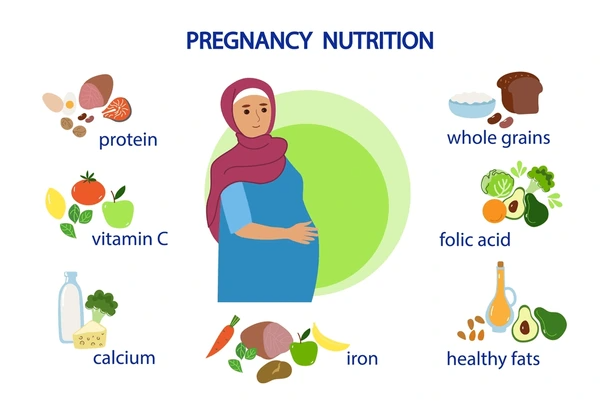
Essential Micronutrients: Iron, Calcium, and DHA
The second trimester is characterized by the major development of the baby's skeletal structure, brain, and circulating blood volume. Therefore, the daily requirements for specific micronutrients rise sharply and must be met consistently through diet and prenatal supplementation.
Iron and Anemia Prevention
Maternal blood volume increases by up to 50 percent during pregnancy. This massive expansion, combined with the fetal need to build its own blood supply, creates a high demand for iron. Iron deficiency anemia is common and can lead to maternal fatigue, dizziness, and increased risk of preterm delivery. The required daily intake is 27 milligrams (mg).
To maximize absorption, always pair iron-rich foods with a source of Vitamin C (e.g., eating spinach with bell peppers, or supplementing iron with a glass of orange juice).
Table: Key Dietary Sources for Iron and Calcium
| Nutrient | Daily Requirement | High-Yield Dietary Sources |
|---|---|---|
| Iron | 27 mg | Lean red meat, lentils, fortified cereal, spinach, dried beans. |
| Calcium | 1000 mg | Milk, yogurt, cheese, fortified non-dairy milks, salmon, dark leafy greens (collards, kale). |
| DHA (Omega-3) | 200–300 mg | Low-mercury fatty fish (salmon, sardines), DHA-fortified eggs, algae-based supplements. |
Calcium and Vitamin D: Building Bone Density
The fetus draws calcium directly from the mother to mineralize its growing skeletal system. If dietary intake is insufficient (daily requirement is 1000 mg), the body draws calcium from the mother’s bones, potentially compromising her future bone health. Vitamin D (600 IU daily) is essential for optimizing calcium absorption in the gut.
DHA and Fetal Brain Growth
Docosahexaenoic Acid (DHA) is a primary structural component of the fetal brain and retina. The second trimester is a phase of rapid neurological development, making adequate DHA intake critical for optimal cognitive outcomes. Most prenatal vitamins include a base level of DHA, but supplementing with a high-quality fish oil or algae-based source is often recommended.
The 4-to-6 Month Sample Diet Chart
This sample daily menu incorporates the required caloric increase (300+ calories), high-protein, and essential micronutrients needed for the second trimester. Focus on consistency and variety.
Sample Daily Menu for the Second Trimester
Breakfast (Focus: Complex Carbs, Protein)
Oatmeal cooked with milk (or fortified almond milk), topped with 1/4 cup nuts/seeds and berries. Hard-boiled egg or small glass of orange juice (Vitamin C for iron absorption).
Mid-Morning Snack (Focus: Fiber, Protein)
Apple slices with 2 tablespoons peanut butter, or Greek yogurt (high in calcium and protein) with a sprinkle of chia seeds.
Lunch (Focus: Iron, Protein, Veggies)
Turkey or chicken breast sandwich on whole-grain bread with spinach and tomato. Side salad with kidney beans or chickpeas (for fiber and iron).
Mid-Afternoon Snack (Focus: Sustained Energy)
Small handful of dried fruit and almonds, or a cup of cottage cheese with sliced peaches.
Dinner (Focus: DHA, Calcium, Iron)
Baked salmon (DHA source) or lean steak (Iron source), served with a large portion of roasted broccoli and a baked sweet potato.
Evening Snack (Focus: Calcium, Relaxation)
Glass of warm milk (or fortified milk) and a small whole-grain cracker.
Managing Second Trimester Symptoms Through Diet (Interactive)
While nausea often subsides, the second trimester introduces new digestive challenges related to the relaxing effect of progesterone and the physical crowding of the digestive organs.
Progesterone relaxes the sphincter connecting the esophagus and stomach, allowing acid reflux. To minimize heartburn, avoid eating large meals, especially within two hours of lying down. Eliminate trigger foods like spicy foods, citrus, excessive tomato products, and high-fat fried meals.
Iron supplements and the relaxing effect of progesterone slow gut motility. Combat constipation by ensuring a high fiber intake (25–35 grams per day) through whole grains, vegetables, and fruit. Most importantly, increase water intake significantly—aim for 8 to 10 large glasses daily.
Socioeconomic Factors: Food Access and Budgeting
Meeting the increased caloric and micronutrient demands of the second trimester requires intentional budgeting and planning, especially for US families navigating rising food costs and potentially complex nutrition assistance programs.
Utilizing Food Assistance Programs (WIC)
The Special Supplemental Nutrition Program for Women, Infants, and Children (WIC) is a crucial resource for many expectant mothers. WIC provides grants for purchasing nutrient-dense foods that directly address the needs of the second trimester diet, including milk, eggs, fortified cereals, and specific fruits and vegetables. Families should proactively investigate their eligibility and utilize these programs to ensure consistent access to essential nutrients like iron and calcium.
Budgeting for Protein and Produce
Protein is the most expensive macronutrient, yet necessary for fetal growth. Budgeting strategies should focus on cost-effective, high-protein, and high-iron sources.
- Legumes and Beans: These offer excellent protein and iron content at a low cost. Incorporate more lentils, black beans, and chickpeas into meals.
- Frozen Produce: Purchasing frozen fruits and vegetables is often significantly cheaper than fresh, and the nutritional value is equal or superior, making it a cost-effective way to meet fiber and micronutrient goals.
Nutritional Confidence for Rapid Growth
The 4-to-6 month phase of pregnancy is defined by the opportunity to transition from symptom management to active, joyful nourishment. By consistently integrating the required 300+ additional calories, prioritizing Iron, Calcium, and DHA, and using mindful dietary strategies to manage digestive discomforts, you directly support the rapid neurological and skeletal development of your baby. This detailed nutritional plan provides the foundation for confidence and health throughout the remainder of your pregnancy journey.
© 2025 Child and Mother Specialist Guidance. All rights reserved.