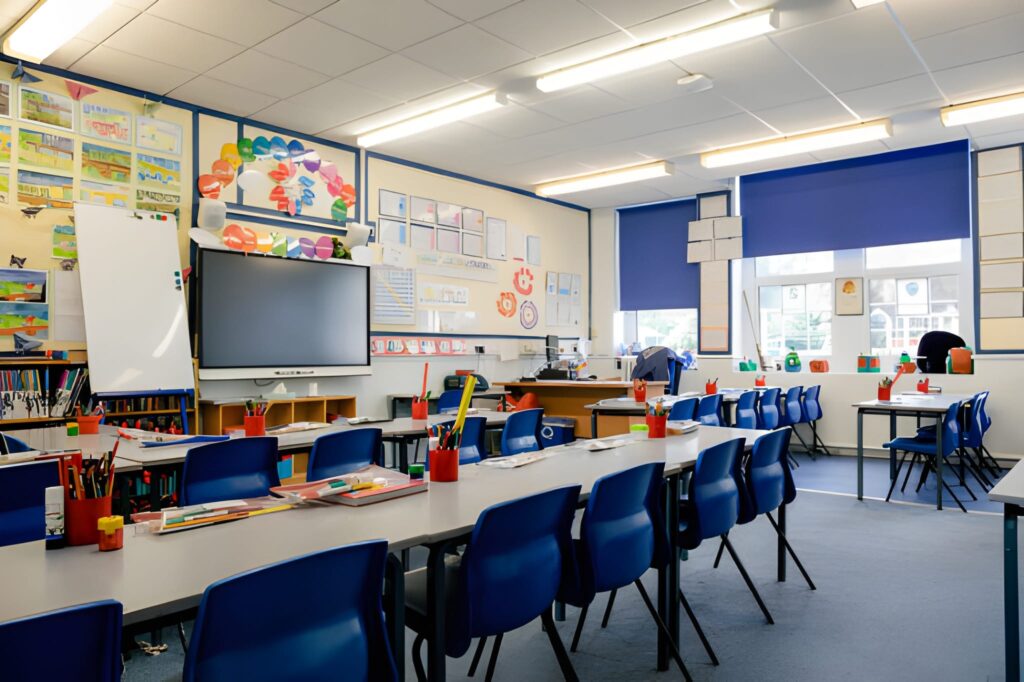
A 5-year elementary education program is an extended undergraduate pathway designed to provide students with a deep and comprehensive understanding of teaching, child development, and educational theory, coupled with extensive hands-on experience in elementary classrooms. This type of program is particularly beneficial for students seeking a robust foundation in pedagogy, integrated fieldwork, and opportunities to specialize in areas such as special education, literacy, or STEM instruction. The extended duration allows for a balance between theoretical coursework, practical teaching experience, and professional development.
1. Overview of the Program
The 5-year elementary education program is often structured as an integrated or dual-degree program that combines general education, professional education, and a strong focus on field-based learning. Students graduate with the knowledge, skills, and credentials required for teaching in elementary schools and are often eligible for state or national teaching certification.
Program Goals:
- Develop in-depth pedagogical knowledge and teaching competencies
- Prepare students to teach all core subjects in elementary school, including literacy, math, science, and social studies
- Provide significant classroom experience through progressive field placements and student teaching
- Foster leadership, collaboration, and reflective teaching practices
2. Eligibility Criteria
| Eligibility Parameter | Description |
|---|---|
| Academic Background | High school diploma or equivalent |
| Minimum Grades | Usually a GPA of 2.5 or higher (varies by institution) |
| Entrance Exams | Some programs require SAT/ACT or institution-specific assessments |
| Language Proficiency | Adequate command of the language of instruction, often English |
3. Curriculum Structure
The curriculum spans ten semesters and typically integrates foundational courses, specialized pedagogy, practical teaching experiences, and professional development.
Table 1: Sample Semester-wise Curriculum
| Semester | Courses & Focus | Practical Component |
|---|---|---|
| 1 | Introduction to Education, Child Development, General Education | Classroom observation |
| 2 | Educational Psychology, Early Literacy, Health & PE | Micro-teaching sessions |
| 3 | Language Arts Methods, Mathematics Methods | Lesson plan development |
| 4 | Science & Social Studies Methods, Educational Technology | Simulated teaching exercises |
| 5 | Classroom Management, Inclusive Education | Field experience in local elementary classrooms |
| 6 | Assessment & Evaluation, Multicultural Education | Supervised teaching hours |
| 7 | Advanced Teaching Methods, Literacy Strategies | Extended student teaching in schools |
| 8 | STEM Integration, Curriculum Design | Practicum with mentor feedback |
| 9 | Special Education, Action Research in Education | Capstone projects, classroom implementation |
| 10 | Internship/Full-time Student Teaching, Seminar | Full-time teaching experience and portfolio development |
4. Core Areas of Study
- Foundations of Education: Educational philosophy, history, and ethics
- Child Development and Learning: Cognitive, social, and emotional development
- Pedagogy for Core Subjects: Teaching strategies for literacy, math, science, and social studies
- Classroom Management: Organization, student engagement, and behavior management
- Assessment & Evaluation: Designing and interpreting formative and summative assessments
- Educational Technology: Integrating digital tools to enhance learning
- Inclusive and Special Education: Teaching students with diverse learning needs
- Professional Development: Leadership, reflective practice, and collaboration skills
5. Field Experience and Practical Training
A 5-year program emphasizes hands-on experience:
- Observation: Early semesters focus on observing experienced teachers
- Micro-Teaching: Small-scale teaching sessions with peer and instructor feedback
- Practicum/Student Teaching: Progressive field placements in different school settings
- Full-Time Internship: Final semester typically involves full-time teaching under mentor supervision
- Action Research: Implementing and analyzing teaching strategies in real classrooms
6. Skills Acquired
| Skill Area | Examples |
|---|---|
| Pedagogical Expertise | Lesson planning, subject-specific strategies, differentiation |
| Classroom Management | Conflict resolution, student engagement, leadership |
| Assessment & Evaluation | Formative and summative assessment, data-driven instruction |
| Communication & Collaboration | Interacting with students, colleagues, and parents |
| Technology Integration | Digital tools, online resources, multimedia projects |
| Social-Emotional Competence | Empathy, teamwork, resilience, reflective practice |
7. Career Opportunities
Graduates of a 5-year elementary education program have diverse career pathways:
| Career Path | Description |
|---|---|
| Elementary School Teacher | Teaching grades 1–5 in public or private schools |
| Upper-Elementary Teacher | Teaching grades 6–8 with subject specialization |
| Special Education Teacher | Supporting students with diverse learning needs |
| Curriculum Developer | Designing lesson plans, instructional materials, and educational programs |
| Educational Coordinator | Implementing programs in schools or educational organizations |
| Educational Consultant | Advising schools on curriculum, technology integration, and teaching strategies |
8. Advantages of a 5-Year Program
- Comprehensive Preparation: Extensive coursework and field experience ensure readiness for teaching
- Certification Eligibility: Meets or exceeds requirements for state/national teacher licensure
- In-depth Field Experience: Progressive, supervised placements enhance classroom confidence
- Specialization Opportunities: Additional courses in special education, STEM, or literacy
- Professional Development: Focus on leadership, reflective practice, and collaboration
9. Comparison Table: 4-Year vs 5-Year Elementary Education Programs
| Feature | 4-Year Program | 5-Year Program |
|---|---|---|
| Duration | 4 academic years | 5 academic years |
| Coursework | Core education courses + general education | More extensive pedagogy, specialization, and field experience |
| Practical Training | Limited to final semesters | Progressive placements with full-time internship in final year |
| Certification Readiness | Meets basic state requirements | Often exceeds state requirements with advanced preparation |
| Specialization Opportunities | Limited | Opportunities in special education, STEM, literacy |
| Reflective Practice | Moderate | Extensive integration of action research and reflective teaching |
Conclusion
A 5-year elementary education program provides a comprehensive, immersive pathway for aspiring teachers. By integrating foundational education theory, specialized pedagogy, extensive field experiences, and professional development, the program ensures graduates are well-prepared to educate, inspire, and support elementary school students. With additional opportunities for specialization and hands-on training, this extended program equips future educators with the skills, confidence, and professional readiness required to excel in diverse classroom environments and positively impact the lives of young learners.