
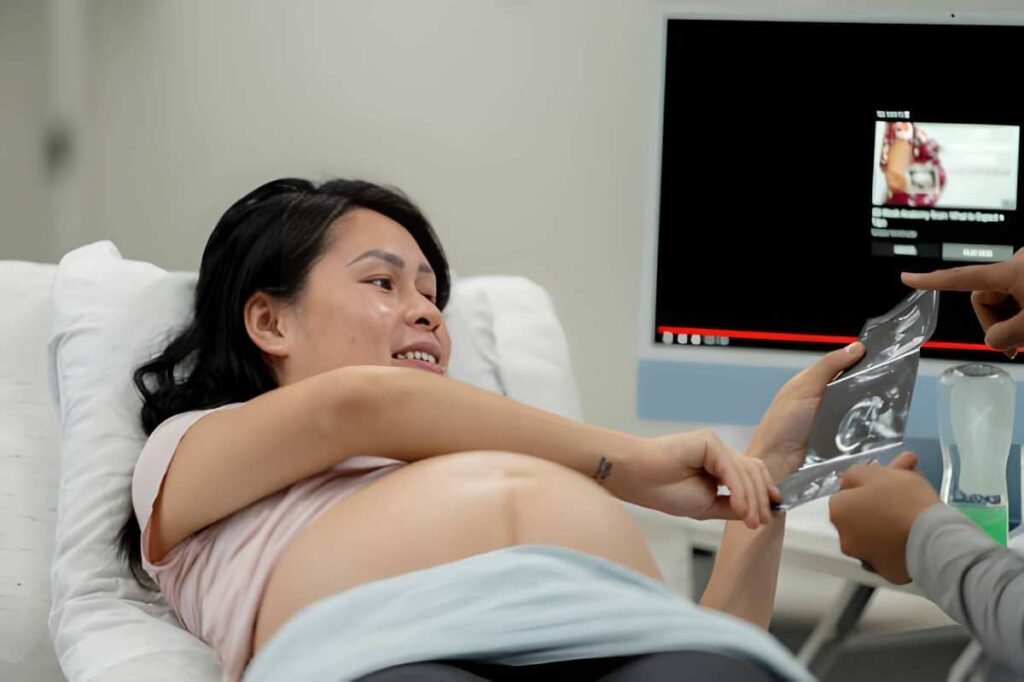
5D Ultrasound in Pregnancy: Advanced Imaging, Timing, and Clinical Clarity
Differentiating advanced technology from routine diagnostics and maximizing image realism for bonding.
Article Roadmap
Defining 5D Technology: The Evolution of Prenatal Imaging
The term "5D Ultrasound" (often marketed as 5D HD Live) represents the cutting edge of ultrasound technology. While the physical world has only three spatial dimensions (length, width, and depth) and time (the fourth dimension or 4D), the "fifth dimension" is purely a marketing term used to describe significant enhancements in image processing software.
How 5D Compares to Standard Scans
5D technology takes the volumetric images captured by 3D ultrasound and applies sophisticated algorithms to create a photo-realistic view.
| Technology | Image Output | Key Difference from 5D |
|---|---|---|
| 2D | Flat, gray, cross-sectional images. | Standard diagnostic tool, views internal organs. |
| 3D | Static, three-dimensional surface image. | Adds depth to external features (like the face). |
| 4D | 3D images in real-time motion (video). | Shows live movement (yawning, smiling). |
| 5D (HD Live) | Real-time 3D video with automated light, shadow, and skin-tone rendering. | Enhanced realism, clarity, and life-like appearance; often includes automated measurements. |
Automated Diagnostic Features
Beyond aesthetics, the 5D software package often includes automated features designed to improve clinical workflow and reproducibility. These systems can automatically adjust lighting and shadow for optimal visualization and may automatically calculate measurements of fetal structures (such as long bones or heart views), reducing dependence on manual operator skill.
Diagnostic Necessity vs. Elective Use
The primary purpose of ultrasound in obstetrics is diagnosis and monitoring, a role still filled by the standard 2D scan. 5D imaging is predominantly used for emotional bonding and keepsake purposes.
Medical Applications
5D imaging is not considered routine prenatal care. However, its enhanced clarity can be invaluable as an adjunct to standard scans in complex cases:
- Craniofacial Anomalies: Providing highly detailed visualization of external defects like cleft lip or palate.
- Skeletal Defects: Aiding in the characterization of complex skeletal malformations.
- Fetal Heart Assessment: Automated software can help generate the nine standard fetal heart views more efficiently, assisting the fetal medicine specialist in complex cardiac evaluations.
The Emotional Benefit: Bonding
The main driver for 5D popularity is the emotional connection it fosters. Seeing the baby's actual facial features, expressions, and real-time movements provides a profound bonding experience for parents and family members that 2D images often fail to deliver.
Optimal Timing for Image Clarity
To achieve the ultra-realistic images 5D promises, timing must be chosen carefully to balance fetal size with available space and fat stores.
The Ideal Window: 26 to 32 Weeks
Most specialists agree the best time for a 5D scan is between 26 and 32 weeks of gestation.
- Feature Development: By 26 weeks, the baby has developed adequate subcutaneous fat, giving them recognizable, rounded facial features (cheeks, lips) instead of a skeletal appearance.
- Available Space: There is still sufficient amniotic fluid surrounding the baby, which acts as a necessary acoustic window to generate clear, crisp images.
Timing Constraints (Interactive Guide)
Before 26 weeks, the baby is still very lean. The lack of fat gives the face a more skeletal look, which does not match the expectations set by photo-realistic 5D imaging.
After 32 weeks, the baby is large, and space becomes severely restricted. The baby often settles into the pelvis, and the face may be pressed directly against the placenta or uterine wall, eliminating the necessary fluid cushion for clear 3D/5D rendering.
Safety and Professional Guidelines
5D ultrasounds, like all ultrasound modalities, are considered safe for the fetus when used appropriately by trained professionals. Ultrasound uses sound waves, not ionizing radiation.
The Ethics of Elective Scans
Medical organizations, including the U.S. FDA, caution against the use of any ultrasound technology—including 5D—purely for "keepsake" purposes in non-medical settings. The primary safety concern is prolonged exposure time.
- ALARA Principle: Medical settings adhere to the principle of "As Low As Reasonably Achievable," limiting scan time and energy output. Elective studios may offer extended sessions that expose the fetus to unnecessary thermal and mechanical energy for prolonged periods.
- Expert Recommendation: 5D scans should be performed by certified sonographers in a clinical or supervised setting to ensure safety protocols are strictly followed.
Key Factors Affecting Image Quality
Even within the optimal timing window, the clarity of the 5D image relies heavily on factors within the mother's control and the baby's cooperation.
Preparation Tips for Parents
- Hydration: Drink plenty of water (several liters per day) for 3 to 5 days leading up to the scan. Excellent hydration increases the volume and clarity of the amniotic fluid, which is essential for clear rendering.
- Fetal Activity: Eat a light, sugary snack (like a small juice or piece of fruit) about 30 minutes before the appointment to encourage the baby to wake up and move into a favorable position.
- Maternal Position: If the baby is facing away, the technician may ask the mother to walk around or change lying positions to encourage movement.
Cost, Accessibility, and Ethics
5D scans highlight the growing disparity between diagnostic necessity and parental demand for technology in prenatal care.
Socioeconomic Cost of Elective Scans
In the U.S., 5D scans are categorized as elective services, meaning they are rarely covered by insurance.
- Cost Range: Fees typically range from 120 to over 300, depending on the session length and the included keepsakes (photos, videos, etc.).
- Financial Impact: For families navigating high-deductible healthcare plans or economic hardship, the cost of elective imaging must be carefully weighed against the needs for basic prenatal care, nutrition, and postpartum support.
The Ethical Consideration
While the emotional benefits of bonding are powerful, parents should confirm that their primary medical screening (the 2D anatomy scan) has been completed and reviewed by their physician before investing in a 5D scan. The 5D image should be viewed as a supplement to, not a replacement for, standard medical diagnostics.



