The Microscopic Signals of Early Hormonal Change
70 Early Signs of Pregnancy: The Complete Guide to Symptoms Before a Missed Period
Table of Contents
1. The Science of Early Signs: Progesterone vs. HCG
The vast majority of symptoms felt in the crucial period between ovulation and a missed period (the two-week wait, or TWW) are not directly caused by pregnancy itself, but by the hormone **progesterone**. Progesterone rises after ovulation in every cycle, pregnant or not, causing symptoms that perfectly mimic early gestation.
The Progesterone Paradox
True pregnancy symptoms—like intense nausea or heightened sense of smell—begin when the Human Chorionic Gonadotropin (HCG) hormone starts to rise exponentially, which only happens **after successful implantation** (typically 6-12 days past ovulation). Therefore, any symptom felt before 8 DPO is almost certainly progesterone-related.
Clarity: Distinguish between **Progesterone Effects** (which happen every month and are ambiguous) and **HCG Effects** (which begin only after implantation and are indicative of pregnancy). Do not rely on any single symptom for confirmation; objective HCG testing is required.
2. Hormonal and Metabolic Indicators (1-18)
These symptoms are tied closely to the massive hormonal shifts and the metabolic changes required to support a growing embryo and expand maternal blood volume.
- Elevated Basal Body Temperature (BBT) lasting more than 16 days.
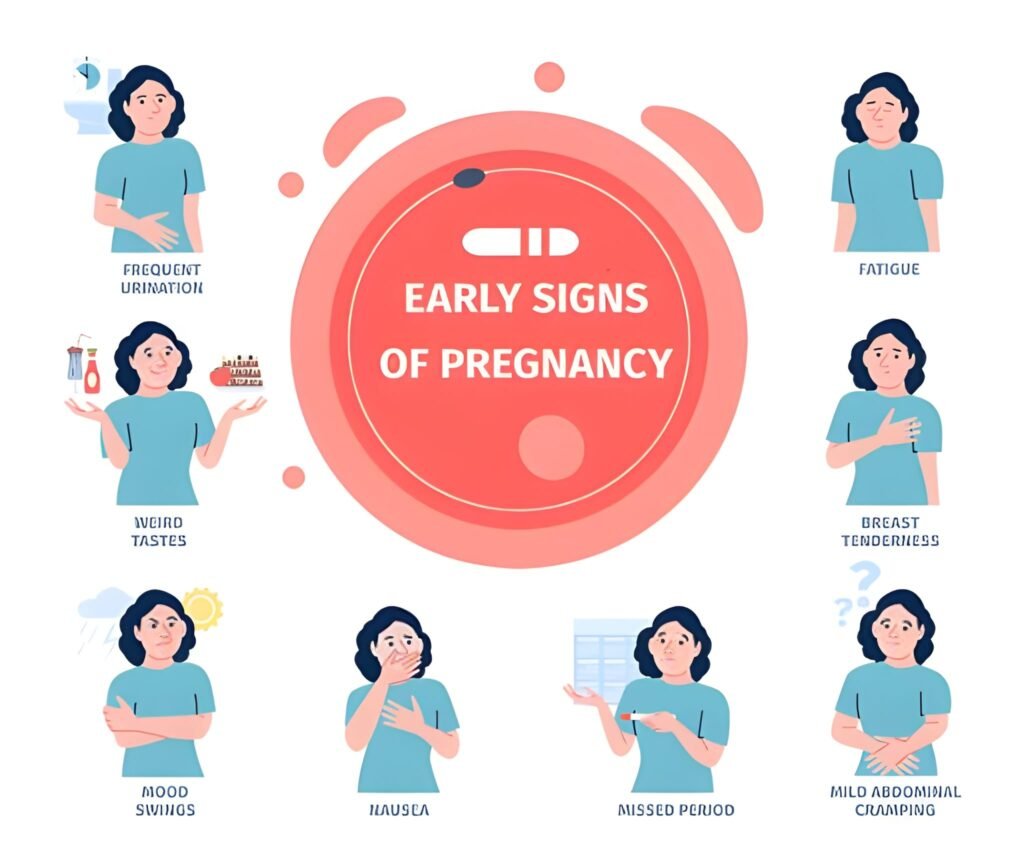
- Sudden, overwhelming fatigue or sleepiness.
- Increased blood volume (starting Week 4).
- Dizziness or lightheadedness upon standing (orthostatic hypotension).
- Intensified night sweats or hot flashes.
- Lowered immunity or feeling "run down."
- Sudden sensitivity to certain fabrics or clothing.
- Thirst or constant need to drink water.
- Increased saliva production (ptyalism).
- Headaches or mild, dull tension.
- Need to nap multiple times per day.
- Mild fever or feeling flush.
- Vivid dreams or nightmares.
- Feeling constantly cold (due to metabolic changes).
- Swollen hands or feet (early fluid retention).
- Gums bleeding easily when brushing.
- Nosebleeds (due to increased blood flow).
- Sensitivity to flashing or bright lights.
3. Sensory and Digestive System Changes (19-35)
The digestive and sensory systems are highly reactive to elevated hormones, often resulting in symptoms categorized as the most classic early signs.
- Nausea or "morning sickness" (can occur at any time).
- A distinct, strange metallic taste in the mouth.
- Heightened sense of smell (hyperosmia).
- Aversions to previously favorite foods or drinks (e.g., coffee).
- Cravings for salty, sour, or specific texture foods.
- Indigestion or persistent gas/flatulence.
- Bloating or feeling "puffy" (early progesterone effect).
- Constipation or reduced bowel movements.
- Diarrhea (less common, but possible hormonal shift).
- A need to constantly chew gum or suck on hard candies.
- Unusual aversion to your partner's natural scent.
- Burping or feeling acid reflux/heartburn after meals.
- Difficulty wearing contact lenses (eye irritation/dryness).
- Sudden intolerance for alcohol smell or taste.
- Waking up severely nauseated.
- Sensitivity to certain cleaning products or perfumes.
- Pica (craving for non-food items like ice or dirt) - rare, but indicative of possible nutritional deficiency.
4. Physical and Uterine Indicators (36-54)
These signs relate to the reproductive tract, including changes in the breasts, cervix, and uterus itself.
- Breast tenderness, heaviness, or soreness.
- Darkening of the areolas (area around the nipple).
- Protruding Montgomery's tubercles (small bumps on the areola).
- Noticeable veins on the breasts becoming more prominent.
- Implantation spotting (light pink/brown discharge around 6-12 DPO).
- Mild uterine cramping or twinges (can be implantation or corpus luteum activity).
- Pelvic pressure or heaviness low in the abdomen.
- Increased clear or creamy white vaginal discharge (leukorrhea).
- Cervix high, soft, and closed (cervical position checking).
- Increased frequency of urination (due to kidney and blood volume increase).
- Sudden backache or lumbar pain.
- Shooting pains down the leg (early nerve compression).
- Increased urge to urinate overnight (nocturia).
- Mild joint aches or pain in the knees/hips.
- Itching skin on the abdomen or breasts.
- Unusual dryness of skin or mouth.
- Increased sensitivity to sunlight.
- Changes in the color of the vaginal labia (darkening).
5. Emotional and Sleep Indicators (55-70)
The nervous system and emotional centers are profoundly affected by the hormonal cocktail of early pregnancy.
- Intense mood swings or emotional volatility.
- Irritability or extreme impatience.
- Unusual bouts of crying or sadness.
- Feeling emotionally detached or "foggy."
- Heightened sense of intuition or feeling "different."
- Insomnia or difficulty staying asleep.
- Restless legs or twitching during the night.
- Waking up early and being unable to fall back asleep.
- Sudden anxiety or restlessness.
- Forgetfulness or feeling clumsy.
- Unusual clumsiness (due to relaxin/hormones).
- Feeling overly protective of oneself or home.
- Deep need for quiet or isolation.
- Loss of interest in established hobbies.
- Intense nesting urge (starting to organize/clean).
- Increased need for physical affection.
6. Interactive: The Full 70-Symptom Checklist
This interactive list combines all 70 potential early indicators. Click on each category to view the comprehensive list in detail.
- Elevated Basal Body Temperature (BBT) lasting more than 16 days.
- Sudden, overwhelming fatigue or sleepiness.
- Increased blood volume (starting Week 4).
- Dizziness or lightheadedness upon standing (orthostatic hypotension).
- Intensified night sweats or hot flashes.
- Lowered immunity or feeling "run down."
- Sudden sensitivity to certain fabrics or clothing.
- Thirst or constant need to drink water.
- Increased saliva production (ptyalism).
- Headaches or mild, dull tension.
- Need to nap multiple times per day.
- Mild fever or feeling flush.
- Vivid dreams or nightmares.
- Feeling constantly cold (due to metabolic changes).
- Swollen hands or feet (early fluid retention).
- Gums bleeding easily when brushing.
- Nosebleeds (due to increased blood flow).
- Sensitivity to flashing or bright lights.
- Nausea or "morning sickness" (can occur at any time).
- A distinct, strange metallic taste in the mouth.
- Heightened sense of smell (hyperosmia).
- Aversions to previously favorite foods or drinks (e.g., coffee).
- Cravings for salty, sour, or specific texture foods.
- Indigestion or persistent gas/flatulence.
- Bloating or feeling "puffy" (early progesterone effect).
- Constipation or reduced bowel movements.
- Diarrhea (less common, but possible hormonal shift).
- A need to constantly chew gum or suck on hard candies.
- Unusual aversion to your partner's natural scent.
- Burping or feeling acid reflux/heartburn after meals.
- Difficulty wearing contact lenses (eye irritation/dryness).
- Sudden intolerance for alcohol smell or taste.
- Waking up severely nauseated.
- Sensitivity to certain cleaning products or perfumes.
- Pica (craving for non-food items like ice or dirt) - rare, but indicative of possible nutritional deficiency.
- Breast tenderness, heaviness, or soreness.
- Darkening of the areolas (area around the nipple).
- Protruding Montgomery's tubercles (small bumps on the areola).
- Noticeable veins on the breasts becoming more prominent.
- Implantation spotting (light pink/brown discharge around 6-12 DPO).
- Mild uterine cramping or twinges (can be implantation or corpus luteum activity).
- Pelvic pressure or heaviness low in the abdomen.
- Increased clear or creamy white vaginal discharge (leukorrhea).
- Cervix high, soft, and closed (cervical position checking).
- Increased frequency of urination (due to kidney and blood volume increase).
- Sudden backache or lumbar pain.
- Shooting pains down the leg (early nerve compression).
- Increased urge to urinate overnight (nocturia).
- Mild joint aches or pain in the knees/hips.
- Itching skin on the abdomen or breasts.
- Unusual dryness of skin or mouth.
- Increased sensitivity to sunlight.
- Changes in the color of the vaginal labia (darkening).
- Intense mood swings or emotional volatility.
- Irritability or extreme impatience.
- Unusual bouts of crying or sadness.
- Feeling emotionally detached or "foggy."
- Heightened sense of intuition or feeling "different."
- Insomnia or difficulty staying asleep.
- Restless legs or twitching during the night.
- Waking up early and being unable to fall back asleep.
- Sudden anxiety or restlessness.
- Forgetfulness or feeling clumsy.
- Unusual clumsiness (due to relaxin/hormones).
- Feeling overly protective of oneself or home.
- Deep need for quiet or isolation.
- Loss of interest in established hobbies.
- Intense nesting urge (starting to organize/clean).
- Increased need for physical affection.
7. Certainty vs. Symptom: The Only True Indicator
While this list of 70 signs highlights the body’s sensitivity to hormonal changes, it is essential to return to the core scientific reality: **symptoms alone cannot confirm a pregnancy.** Every single item on this list can also be caused by normal hormonal shifts, stress, or other medical conditions.
The Need for Objective Confirmation
The only two objective signs that reliably indicate pregnancy are:
- The Presence of HCG: Confirmed by a positive home pregnancy test (HPT) or a quantitative blood test (Beta HCG).
- Visual Confirmation: Seeing the gestational sac and fetal heartbeat via ultrasound (typically after 6 weeks).
The most reliable time for an HPT is **14 days past ovulation (DPO)**, the day of the expected period. Testing earlier risks a false negative, prolonging the ambiguity that symptom spotting seeks to solve.
8. Managing the Overwhelm and Resource Allocation
Faced with such an extensive list of symptoms, the emotional response can be overwhelming. The most effective strategy during the two-week wait is minimizing internal pressure and allocating resources wisely.
Prioritizing Wellness Over Prediction
- Avoid Hyper-focus: Do not use this list as a diagnostic tool. Use it only for understanding the origin of sensations (progesterone).
- Conserve Resources: For US audiences, recognizing that many early symptoms mimic PMS helps conserve financial resources that would otherwise be spent on repeated, premature home pregnancy tests.
- Maintain Health Protocols: Regardless of whether symptoms are present, maintain the critical preconception habits: consistent **Folic Acid** intake, abstinence from toxins, and prioritizing rest.
Embrace the scientific clarity that true confirmation is only days away. The journey to motherhood is marked by patience, and managing the ambiguity of the early signs with knowledge provides the strongest foundation for the health and emotional wellness of the expectant mother.