Fetal Milestones: The End of the Embryonic Period
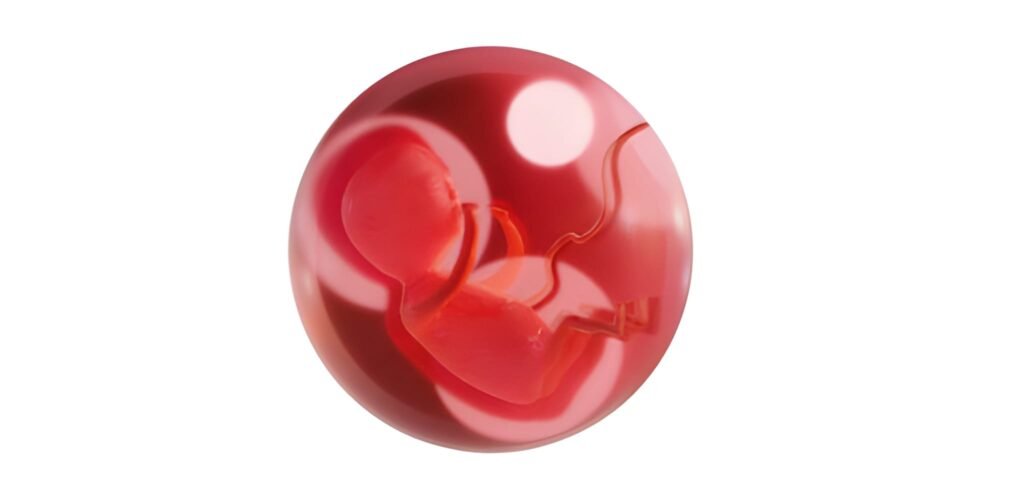
Nine weeks gestation marks the end of the embryonic stage—the critical period of organogenesis (formation of all major organs). By the end of this week, the developing life transitions into a fetus. This is a major biological milestone, as the period of highest risk for major structural defects passes once the embryonic stage is complete.
Physical Status at 9 Weeks
The embryo is now about the size of a grape or cherry (approximately 0.9 inches or 2.3 centimeters long, crown-to-rump). Key developmental advancements include:
- Heart Rate Peak: The heart rate reaches its peak, often beating at 160 to 180 beats per minute (BPM). This rapid rate fuels the intensive growth and organ development occurring this week.
- Limb Definition: Fingers and toes are fully formed, and the webbing between them disappears. Elbows and knees are distinct, allowing for the first bending movements, although these are too subtle for the mother to feel.
- Facial Features: The eyes are developed but remain fused shut, positioned far apart. Small earlobes, nostrils, and a mouth are becoming visible.
- Intestines: The digestive tract is growing so rapidly that a loop of intestines temporarily protrudes into the umbilical cord before fully retracting into the abdominal cavity in the next few weeks.
Maternal Symptoms: The HCG Peak and Hormonal Overload
The 9th week is notoriously difficult for many expectant mothers because it coincides with the peak circulating levels of Human Chorionic Gonadotropin (hCG). This hormonal surge drives the most severe first-trimester symptoms.
Nausea and Exhaustion
Nausea (morning sickness) is likely at its maximum intensity now, sometimes persisting all day (Hyperemesis Gravidarum risk). This is compounded by profound fatigue. The maternal body is working overtime to establish the final placental connections, requiring immense energy expenditure.
Uterus Size and Pressure
The uterus has grown significantly, now roughly the size of a large grapefruit. While still contained safely within the pelvic bones, this size increases pressure on the bladder, leading to more frequent urination. The total weight gain remains modest, typically 2 to 4 pounds for the entire first trimester.
| Common Symptom | Hormonal Driver | Status at 9 Weeks |
|---|---|---|
| Nausea | HCG hormone | Peak Intensity. Symptoms are often strongest and most persistent. |
| Fatigue | Progesterone; Placental development demand. | Peak Intensity. Rest and naps are mandatory for energy conservation. |
| Breast Soreness | Progesterone and Estrogen. | Tenderness continues; areola may begin darkening. |
| Mood Swings | Extreme hormonal fluctuations. | Common, driven by low energy and peak hormone volatility. |
Clinical Expectations: Intake and Dating Scan
Nine weeks is an ideal time for the first formal prenatal visit (the intake visit). This appointment serves as the foundation for the entire pregnancy journey.
The Initial Prenatal Visit Checklist
This comprehensive appointment typically includes:
- Medical History: A thorough review of past pregnancies, chronic conditions, and family genetic history.
- Blood Panel: A full blood draw to check Rh factor, blood type, iron levels (anemia screening), and screen for infectious diseases (e.g., Rubella, Hepatitis B, HIV, Syphilis).
- Cervical Screening: A Pap smear and cultures if overdue, and potentially a pelvic exam to assess uterine size.
The Viability and Dating Scan
An ultrasound (USG) performed around 9 weeks provides the most accurate estimate for the due date, based on the Crown-Rump Length (CRL) measurement. This scan definitively confirms fetal viability via the strong heart rate and ensures the pregnancy is located safely within the uterus.
Nutritional Focus and Hydration Mandate
Navigating the 9th week means prioritizing hydration and maximizing nutrient density, even when appetite is low.
The Hydration Mandate
Dehydration is the primary risk during peak nausea and can lead to dizziness or more severe health issues. Sip fluids constantly throughout the day, avoiding large volumes at once, which can trigger nausea. Water, electrolyte drinks, or clear broths are best.
Folic Acid and Choline
While the neural tube is mostly closed, supporting brain development remains critical. Continue the mandatory 400 mcg of Folic Acid via your prenatal vitamin. Additionally, Choline is essential for embryonic brain and nerve cell development; sources include eggs, lean beef, and certain beans.
Critical Safety: Warning Signs and Ectopic Check
Although the viability scan is often completed by this stage, vigilance for complications is necessary until the second trimester.
Distinguishing Bleeding from Spotting
Light spotting (pink or brown) after the initial prenatal exam or transvaginal scan is common and usually harmless. However, any bleeding resembling a heavy menstrual period, especially if accompanied by severe, cramping pain that radiates to the pelvis or back, requires an urgent medical evaluation.
SEEK URGENT CARE FOR:
- Inability to Keep Down Fluids: Vomiting so severe you cannot keep down liquids for 12 hours (risk of Hyperemesis Gravidarum and dehydration).
- Severe One-Sided Pain: Sharp, persistent pain in the lower abdomen (potential ectopic complication).
- High Fever: A temperature of 100.4°F (38°C) or higher.
Managing Fatigue and Nausea: Survival Strategies
Focusing on the end of the first trimester and the coming energy boost helps manage the challenging symptoms of 9 weeks.
Strategies for the Peak Symptom Phase
- Bland Diet Focus: Prioritize bland, easily digested foods (e.g., crackers, toast, simple rice). Eating every two hours prevents blood sugar dips that worsen nausea.
- Vitamin B6 and Ginger: Consult your provider about safe dosages of Vitamin B6 (pyridoxine) and natural ginger products, which are often effective anti-nausea supplements.
- Micro-Naps: Schedule short rest periods (15–30 minutes) rather than relying on deep, long naps that can disrupt nighttime sleep.
Most mothers feel a significant drop in symptoms around Weeks 12–14 as the placenta fully takes over HCG production. Use this month to plan for the "Golden Period"—researching exercise routines, planning a second-trimester getaway, and starting preliminary searches for pediatricians.