The Decades of Discretion and Daring
90s Pregnancy Fashion: Minimalism, Grunge, and the Rise of Bodycon Maternity
Table of Contents
- The Minimalism of the 90s Maternity: Rejecting the Tent
- Key Trends: Overalls, Slips, and Layering
- The Bodycon Revolution and Cultural Icons
- The Role of Fabric Technology (Spandex and Knits)
- Socioeconomic Drivers: Practicality and Longevity
- How to Incorporate 90s Maternity Today
- Interactive: Find Your 90s Maternity Vibe
The Minimalism of the 90s Maternity: Rejecting the Tent
The 1990s engineered a profound, lasting shift in maternity wear. This decade rejected the dominant 1980s aesthetic, which often relied on brightly colored prints, large shoulder pads, and voluminous garments—styles frequently dubbed the "muumuu" or "tent dress." The new philosophy embraced **minimalism, simplicity, and practicality**. Influenced by the decade's prevailing non-fussy aesthetic—characterized by clean lines, neutral palettes, and functional silhouettes—maternity clothes became less about hiding the pregnancy and more about comfortable integration into a normal wardrobe.
Designers and retailers recognized the demand from expectant mothers who were delaying childbearing until later in their careers and maintained an active, professional lifestyle. These women demanded clothing that reflected their established style and offered versatility. The 90s mother desired pieces that prioritized comfort without sacrificing the era’s sleek silhouette. The market responded by introducing separates—mix-and-match pieces that could evolve with the changing body shape, a significant departure from the singular, non-adaptable garments of previous decades. This commitment to versatility meant a pregnant woman could easily dress up or down while maintaining a contemporary, understated look.
The move away from high volume to engineered stretch fabrics was not just a style choice; it was a psychological shift. It allowed the mother to feel connected to the prevailing fashion culture, avoiding the sense of being sidelined by restrictive, overtly specialized clothing. Minimalism simplified the process of dressing during pregnancy, focusing on essential, interchangeable garments in muted colors like black, navy, charcoal, and beige.
Key Trends: Overalls, Slips, and Layering
The defining looks of 90s maternity fashion borrowed heavily from popular culture and casual wear, offering unparalleled comfort while staying true to the era's functional, relaxed vibe.
Denim Overalls: The Ultimate Comfort Piece
The **denim overall** stands as the definitive 90s maternity staple. These garments transcended the workwear background, becoming a ubiquitous symbol of casual, effortless cool. In maternity form, overalls provided adjustable straps and generous side panels that easily accommodated growth through the third trimester. Paired with a simple white ribbed turtleneck or a grunge-inspired band tee, the look captured the decade's functional aesthetic while offering unmatched practicality. The utility, ease of movement, and deep pockets made them a favorite for busy, active mothers navigating both professional and domestic life. This singular garment encapsulated the perfect blend of fashion trend and functional maternity design.
Slip Dresses and Grunge Layering
The influence of Grunge and **Minimalism** made layered looks dominant. Inspired by icons like Courtney Love and the broader acceptance of lingerie-as-outerwear, the **maternity slip dress**—a simple, bias-cut garment in fabrics like rayon or silk blends—provided a soft, fluid base layer.
This was often worn layered in strategic ways:
- Underneath: Over a fitted long-sleeve tee or a thin knit sweater for modesty and warmth, channeling the grunge aesthetic.
- Over: Under a long, oversized cardigan, a flannel shirt tied around the waist, or an unbuttoned denim shirt.
The Matching Set and Coordinated Basics
The 90s popularized coordinated basics. Maternity versions included simple, stretchy matching sets: a fitted tee paired with a knee-length stretchy pencil skirt, or a simple tunic paired with comfortable drawstring trousers. These monochromatic or tonal outfits offered a polished, uniform appearance without relying on elaborate tailoring. Earth tones, black, white, and primary colors dominated these palettes, emphasizing the "less is more" principle. The focus was on pieces that created an illusion of coherence and structure, even as the body changed shape rapidly.
Footwear Focus: Comfort and Confidence
Footwear maintained a strong practical focus. The 90s mother typically favored low-heeled loafers, simple chunky sneakers (e.g., Keds or simple white leather court shoes), or practical Birkenstock-style sandals. High, impractical heels were largely abandoned in favor of stable, comfortable options, reflecting the overall relaxed, functional mood of the decade. This shift directly supported maternal comfort, which is crucial during the third trimester's weight gain and swelling.
The Bodycon Revolution and Cultural Icons
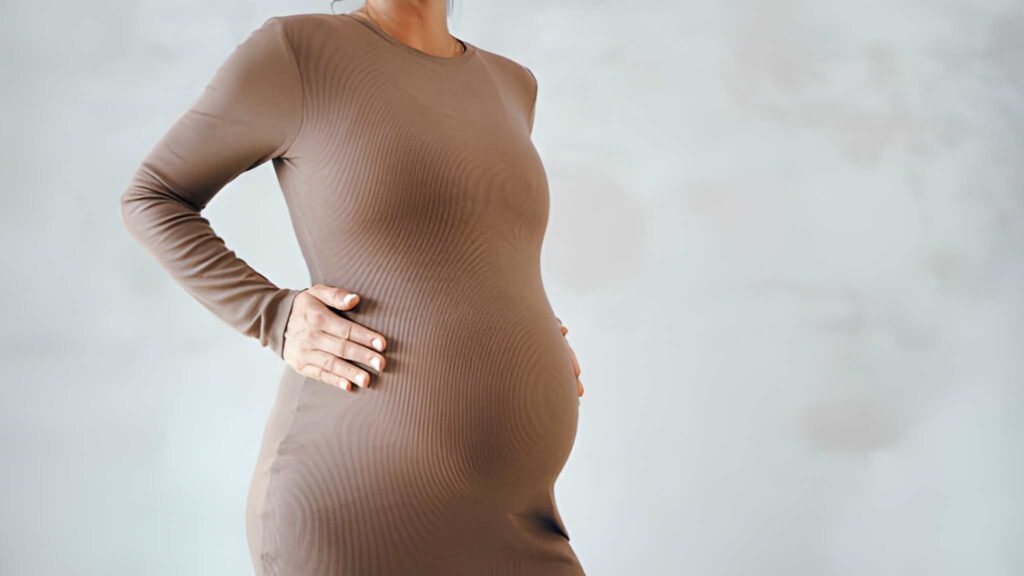
The single greatest cultural contribution of 90s pregnancy fashion was the **rise of the bodycon silhouette**—the acceptance that a pregnant body did not need to be hidden under swathes of fabric. This was a direct, intentional reversal of previous generational norms.
Demi Moore and the Exposing Bump
The cover of Vanity Fair in 1991, featuring a pregnant Demi Moore posed nude, was a seismic cultural event. This image normalized and celebrated the public visibility of the pregnant form. It challenged the prevailing modesty standards and societal pressure to conceal the body during gestation. Subsequently, women gained confidence in wearing fitted, stretchy clothing that celebrated the bump, leading to the ubiquity of rib-knit maxi dresses, fitted jumpsuits, and stretchy knit tops in maternity lines. The culture shifted from discretely masking the pregnancy to confidently exhibiting it.
The Celebrity and Designer Influence
High-profile women like Cindy Crawford and Princess Diana demonstrated that pregnancy could coexist with high fashion. While Diana’s aesthetic remained classic and tailored, Crawford often embraced the form-fitting, casual sportswear trend. On television, characters like Fran Fine on The Nanny and various figures on hit shows often maintained their signature, fitted style well into pregnancy. These visible figures ensured that the stigma associated with the "matronly" pregnancy look was permanently broken, pushing maternity brands toward contemporary relevance and demanding fashion-forward options.
The Role of Fabric Technology (Spandex and Knits)
The 90s fashion movement would have failed without advancements in textile technology. The widespread introduction and acceptance of Lycra/Spandex blends allowed clothes to stretch and recover without losing shape or becoming overly baggy. This was key to achieving the decade’s fitted, minimalist silhouettes on a growing body.
This stretch technology allowed for the reinvention of maternity essentials:
- Maternity Denim: Jeans adopted the comfortable, full-panel knit waistbands we know today, replacing the rigid, uncomfortable front-panel fasteners or external adjustable belts of the 70s and 80s.
- Rib-Knit Fabrics: These natural cotton or synthetic blends offered structure and stretch, forming the basis for the ubiquitous bodycon maxi dresses and fitted tanks that provided comfort and style continuity.
Socioeconomic Drivers: Practicality and Longevity
The preference for minimalist basics in the 90s was also driven by practical economic realities, particularly for American middle-class families.
Cost-Per-Wear and Investment Value
Maternity wardrobes are inherently a temporary, expensive investment. The 90s focus on high-quality, versatile separates (like knit trousers and simple tops) maximized the cost-per-wear value. A black knit dress could serve as professional attire with a blazer, weekend wear with a flannel, and a foundational piece for layering, extending its usefulness across nine months. This was a conscious choice for budgeting, allowing families to allocate more resources toward essential items like car seats, cribs, and future childcare costs, rather than short-lived fashion statements.
Postpartum Transition
The simplicity of 90s design facilitated an easier transition into the immediate postpartum period. Garments like oversized button-down shirts, stretchy knit dresses, and drawstring pants remained comfortable and functional during the six-week recovery period and beyond, avoiding the financial strain of immediately buying a new wardrobe once the maternity clothes no longer fit properly. The minimalist basics often provided easier access for breastfeeding and adapted well to the body’s slow return to its pre-pregnancy shape.
How to Incorporate 90s Maternity Today
Many 90s maternity trends are timeless basics that are easy to recreate with modern pieces, providing effortless comfort during pregnancy.
- Overalls: Pair dark denim maternity overalls with a simple white ribbed turtleneck or a graphic band tee. Finish with simple canvas sneakers or chunky black boots.
- The Slip Dress Look: Choose a comfortable maternity maxi slip dress in a neutral tone (black, charcoal, olive). Layer it over a fitted white tee shirt or a thin, chunky knit cardigan. Accessorize with a simple choker necklace or small hoop earrings.
- The Oversized Blazer: Use an oversized, slightly masculine blazer (a key 90s power look) unbuttoned over a fitted knit maternity dress or a stretch tank and trousers. This provides structure and sophistication without restricting the bump.
- Coordinated Knits: Invest in high-quality matching stretchy knit sets—a pair of wide-leg maternity pants and a cropped or tunic-length top in a neutral color like beige or heather gray.
Interactive: Find Your 90s Maternity Vibe
Which 90s aesthetic suits your current maternity comfort needs? Select the statement that most appeals to you.
Select your preferred option above to discover your 90s maternity style!
Conclusion: Enduring Comfort and Confidence
The 90s legacy in maternity fashion is one of comfort, confidence, and radical honesty. By embracing functional, stretch fabrics and a minimalist aesthetic, the decade liberated pregnant women from restrictive garments and ushered in an era where the pregnant body was viewed as a natural, beautiful form to be dressed, not disguised. The core trends—from utility denim to sleek knitwear—remain highly influential today, providing essential comfort and style continuity that is both economically practical and psychologically empowering for the modern expectant mother.