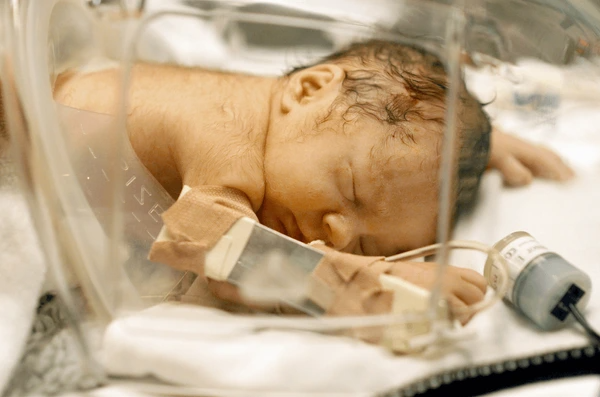
A specialist's evaluation of the biological link between skin-to-skin contact and the physiological mastery of breastfeeding in the fragile newborn.
Scientific Guide Navigation
- Defining Kangaroo Mother Care (KMC)
- The Hormonal Cascade: Oxytocin and Prolactin
- Physiological Stability: The Thermal Advantage
- Testing Results: Breastfeeding Exclusivity and Mastery
- The NICU Protocol: Step-by-Step KC Integration
- Socioeconomic Realities in the US NICU System
- Confidence in Nurturing Proximity
Defining Kangaroo Mother Care (KMC)
Kangaroo Mother Care (KMC), or simply Kangaroo Care (KC), involves continuous, prolonged skin-to-skin contact between a parent and their infant, usually a preterm newborn. Originally developed as an alternative to incubator care in resource-limited settings, KC has evolved into the gold standard of neuro-protective care in modern Neonatal Intensive Care Units (NICUs). While it supports multiple systems, its role in the successful initiation and maintenance of breastfeeding is perhaps its most profound clinical contribution.
The Component Parts of KC
True Kangaroo Care is not merely "holding" a baby. It requires the infant to be dressed only in a diaper and placed in an upright, prone position directly on the parent's bare chest. This creates a biological micro-environment where the parent acts as a natural thermoregulator, a sensory stimulator, and a primary food source.
The Hormonal Cascade: Oxytocin and Prolactin
Breastfeeding is a complex neurological and endocrine feedback loop. For mothers of preterm infants, this loop is often interrupted by the trauma of premature birth and the physical separation necessitated by medical equipment. Kangaroo Care serves as the "re-set" button for this hormonal system.
The Oxytocin Feedback Loop
Oxytocin, the "bonding hormone," is released in massive quantities during skin-to-skin contact. In the mother, oxytocin triggers the let-down reflex (milk ejection). In the preterm infant, oxytocin promotes a sense of safety and reduces cortisol (the stress hormone). When a mother practices KC, her body receives constant sensory cues—smell, touch, and warmth—that signal the brain to prioritize milk production.
Hormonal Drivers Stimulated by Kangaroo Care
| Hormone | Function in Lactation | Impact of Kangaroo Care |
|---|---|---|
| Prolactin | Milk Synthesis (Production) | Increases baseline levels, ensuring a more robust milk supply over time. |
| Oxytocin | Milk Ejection (Let-down) | Speeds up the flow of milk and strengthens the emotional bond. |
| Cortisol | Stress Response | Significantly lowered in both mother and baby, allowing for relaxed feeding. |
| Gastrin | Digestive Efficiency | Released in the infant during KC, improving absorption of breast milk nutrients. |
Physiological Stability: The Thermal Advantage
Breastfeeding requires a high amount of energy from a preterm infant. If a baby is cold or struggling to maintain a stable heart rate, they cannot focus on the complex mechanics of sucking, swallowing, and breathing. Kangaroo Care provides the necessary physiological foundation for these skills to develop.
Biological Thermoregulation
Preterm infants lack brown fat stores and have thin skin, making them prone to hypothermia. During KC, the parent’s chest temperature fluctuates to meet the infant’s needs—a phenomenon known as thermal synchrony. If the baby is cold, the mother's breast temperature can rise by up to 2 degrees Celsius to warm the infant.
Stable Body Temperature + Reduced Respiratory Effort = Conserved Calories for Growth
Preterm infants in KC spend 25 percent less energy on thermoregulation compared to those in standard incubators.
By conserving this 25 percent of energy, the preterm infant has the metabolic "budget" required to practice at the breast. This conserved energy directly translates into faster weight gain and a sooner transition from tube feeding to oral feeding.
Testing Results: Breastfeeding Exclusivity and Mastery
Multiple clinical trials have tested the specific impact of KC on breastfeeding outcomes. The results consistently show that infants who receive KC transition to the breast sooner and are more likely to be exclusively breastfed at discharge.
Rooting and Nuzzling Reflexes
When an infant is placed in the Kangaroo position, they are inches away from the breast. This proximity stimulates the rooting reflex. Even if the infant is too small to latch effectively, they begin "nuzzling" the nipple. This behavior provides oral stimulation that prepares the infant's brain for the eventual master of breastfeeding.
- Increased Duration: Mothers practicing KC breastfeed for an average of 6 weeks longer than those using standard incubator care.
- Exclusivity Rates: Exclusive breastfeeding rates at discharge are up to 50 percent higher in KC groups.
- Milk Volume: Mothers who use KC produce significantly higher daily milk volumes (measured via pumping) than those who do not.
- Transition Time: Preterm infants in KC transition from nasogastric tube feeding to full breastfeeding 2 to 4 days faster.
The NICU Protocol: Step-by-Step KC Integration
Successfully testing KC in the NICU requires a structured approach that prioritizes infant safety and maternal comfort.
1. Medical Stability Assessment
Before initiation, the medical team ensures the infant is stable enough for transfer. This includes heart rate, respiratory rate, and oxygen saturation levels. Most infants, even those on ventilators or with IV lines, can participate in KC with proper nursing assistance.
2. The Transfer and Position
The mother reclines at a 30 to 45-degree angle. The infant is placed between the breasts in an upright position. The baby's head is turned to one side, slightly extended (the "sniffing position") to ensure a clear airway. The parent's clothing or a specialized wrap is used to secure the infant.
3. Duration and Frequency
For maximum breastfeeding impact, KC sessions should last at least 90 minutes. This allows the infant to complete a full sleep cycle and provides enough time for the mother's oxytocin levels to peak and stimulate the milk glands.
Socioeconomic Realities in the US NICU System
While the biological benefits of KC are undeniable, its implementation in the United States faces significant socioeconomic hurdles. The "test" of Kangaroo Care is often a test of parental resources.
The Parental Leave Crisis
KC requires the physical presence of the parent in the NICU for hours every day. In the US, the lack of federal paid maternity and paternity leave means many parents must return to work while their infant is still hospitalized. This creates a "proximity gap" where the infants who need skin-to-skin contact the most have the least access to it.
Staffing and Education
Implementing KC requires a higher nurse-to-patient ratio to manage the safe transfer of fragile infants from incubators to parents. Hospitals in lower-income areas may face staffing shortages that limit the availability of KC. Furthermore, access to specialized IBCLCs (Lactation Consultants) within the NICU is essential for translating the hormonal benefits of KC into actual breastfeeding technique.
Confidence in Nurturing Proximity
The test of Kangaroo Care on preterm infant breastfeeding has yielded clear, reproducible results: skin-to-skin contact is not a "bonus" intervention; it is a clinical necessity. By stabilizing the infant’s physiology, activating the mother’s endocrine system, and providing a relaxed environment for reflexive nuzzling, KC bridges the gap between the crisis of prematurity and the triumph of breastfeeding. While socioeconomic barriers remain, the biological mandate is certain. Prioritizing proximity, demanding clinical support for long-duration sessions, and trusting the innate wisdom of the parent-child bond ensures the best possible developmental and nutritional outcome for the most vulnerable infants.