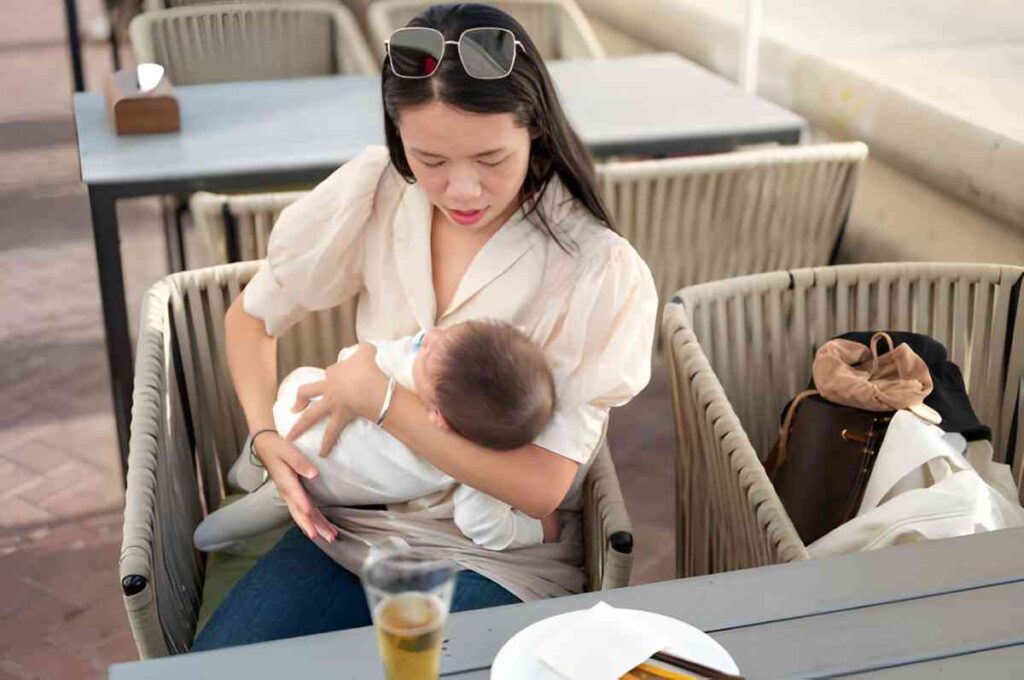
The Nurture Protocol: Adapting the Nursing Relationship After Double Mastectomy
Biological feeding is only one dimension of the breastfeeding experience. For women who have undergone a double mastectomy due to breast cancer, risk reduction, or other medical necessities, the landscape of early motherhood shifts from the production of milk to the intentional cultivation of a nursing bond. In clinical terms, the nursing relationship consists of proximity, hormonal feedback loops, and neurological regulation. None of these elements require active mammary tissue to exist.
As a child and mother specialist, I maintain that every woman is entitled to a nursing experience that aligns with her values, regardless of her surgical history. By utilizing a Supplemental Nursing System (SNS) and committing to evidence-based bonding techniques, you can provide your infant with the physical and psychological benefits of nursing while utilizing donor milk or high-quality formula for nutrition. This guide details the technical, emotional, and biological strategies for building a thriving nursing bond after a double mastectomy.
Table of Contents
1. SNS Mastery: Delivering Nutrition at the Chest
The primary tool for simulating the breastfeeding experience is the Supplemental Nursing System (SNS). This device allows an infant to receive milk while suckling directly at the mother's chest, mimicking the mechanics of a natural nursing session. For a mother post-mastectomy, the SNS bridges the gap between the need for a bottle and the desire for the breast.
How the Device Functions
An SNS consists of a container (worn around the neck or attached to the clothing) filled with milk and connected to two very thin, flexible tubes. These tubes are taped to the mother's skin, ending at the point where the infant latches. As the baby suckles, the vacuum created draws milk through the tubes. This setup ensures that the infant associates the mother's body with comfort, satiety, and safety.
Clinical Rationale for the SNS
Infants utilize nursing for neurological regulation. Suckling at the breast or chest area provides sensory input—scent, heartbeat, and warmth—that stabilizes the infant's heart rate and cortisol levels. An SNS allows this regulatory process to occur even when the mother is not producing biological milk.
2. The Power of Proximity: Kangaroo Care Protocols
In the absence of lactation, the biological benefits of the nursing relationship are primarily driven by skin-to-skin contact, also known as Kangaroo Care. This is the foundation of the Nurture Protocol. For a mother after a double mastectomy, intensive skin-to-skin contact is a clinical necessity for establishing the infant's microbiome and regulating the maternal nervous system.
| Biological Marker | Skin-to-Skin Impact | Developmental Outcome |
|---|---|---|
| Body Temperature | Maternal chest heat regulates infant core temp. | Reduced energy expenditure for the infant. |
| Heart Rhythm | Infant heart rate syncs with maternal rhythm. | Improved cardiovascular stability. |
| Microbiome | Direct transfer of maternal skin bacteria. | Enhanced infant immune system development. |
| Cortisol | Reduces stress hormones in both mother and baby. | Deepened emotional attachment and calm. |
3. Inducing the Oxytocin Loop Without Lactation
The "bonding hormone," Oxytocin, is triggered by touch, scent, and the act of caring for an infant. While oxytocin usually facilitates the let-down reflex in lactating mothers, its psychological and physiological benefits for bonding are independent of milk production.
Sensory Induction
By positioning the baby at the chest for every feeding, the mother receives a constant stream of sensory data. The scent of the baby’s head and the feel of their skin against the mother's chest wall trigger the release of oxytocin in the maternal brain.
Neurological Reward
The act of providing nutrition through the SNS creates a reward cycle. The infant stops crying and settles into a rhythmic suckle, signaling to the mother's brain that she is successfully protecting and nourishing her offspring.
4. Technical Setup: Positioning and Latching
Positioning after a mastectomy requires special consideration for scar tissue and the potential loss of sensitivity in the chest area. Comfort for the mother is as important as the latch of the infant.
If the nipple-areolar complex was not preserved, the baby can still latch onto the skin of the chest or a specialized nipple shield placed over the SNS tube. Focus on a deep latch to ensure the baby’s tongue is properly positioned under the tube. Using a small amount of medical-grade tape to secure the tube ensures it stays in place during the initial rooting and latching phase.
The Football Hold (clutch hold) is often the most comfortable position post-mastectomy. It keeps the weight of the baby off the surgical site and allows the mother to clearly see the tube placement and the baby's mouth. Using a high-quality nursing pillow provides the necessary lift to prevent straining the pectoral muscles.
5. Nutritional Sources: Donor Milk and Formula
When the biological supply is removed, the source of nutrition must be selected with care. In the United States, mothers have two primary evidence-based options for the SNS reservoir.
Screened Donor Milk
Milk from a non-profit human milk bank (HMBANA) is the gold standard for infants. It provides the antibodies, enzymes, and specialized proteins found only in human milk. While it can be expensive or limited to high-risk infants, some insurance providers cover donor milk for mothers with a medical inability to lactate.
High-Quality Infant Formula
Formula is a safe, nutritionally complete alternative. When used within an SNS, the delivery method transforms a standard feeding into a nursing session. Mothers should choose a formula that aligns with their pediatrician's recommendations, focusing on iron-fortified options that mimic the carbohydrate and fat ratios of human milk.
6. Navigating the Psychological Transition
It is essential to acknowledge that the transition to "simulated" nursing involves grief work. You are reclaiming a biological right that was interrupted by medical circumstances. Feeling frustrated by the technical aspects of the SNS or mourning the loss of lactation is a normal part of the process.
A Specialist’s Note on Success
Success is defined by the quality of the interaction, not the volume of biological milk. If the SNS becomes a source of extreme stress, it is clinically appropriate to transition to bottle-feeding while maintaining intensive skin-to-skin contact. The bond is in the presence, not just the plumbing. Your baby does not know the difference between the milk in your ducts and the milk in the tube—they only know the safety of your arms.
A Final Word on Accessibility
In the US, access to lactation consultants (IBCLCs) who are trained in post-mastectomy care is a significant factor in success. Many hospital-based programs are now recognizing the importance of induced bonding for non-biological and post-surgical parents. Seek a consultant who prioritizes adaptive nursing and has experience with supplemental systems. Furthermore, organizations focusing on "Breastfeeding After Breast Cancer" provide peer support networks that are vital for mental resilience.
Adapting the nursing relationship after a double mastectomy is an act of profound dedication. By embracing the SNS technology and the biological power of skin-to-skin proximity, you ensure your infant receives the neurological and emotional foundations for a healthy life. You are not "simulating" motherhood; you are actively pioneering a resilient, informed way to nourish your child’s body and soul. Trust the bond, utilize the tools, and honor the strength of your own journey.