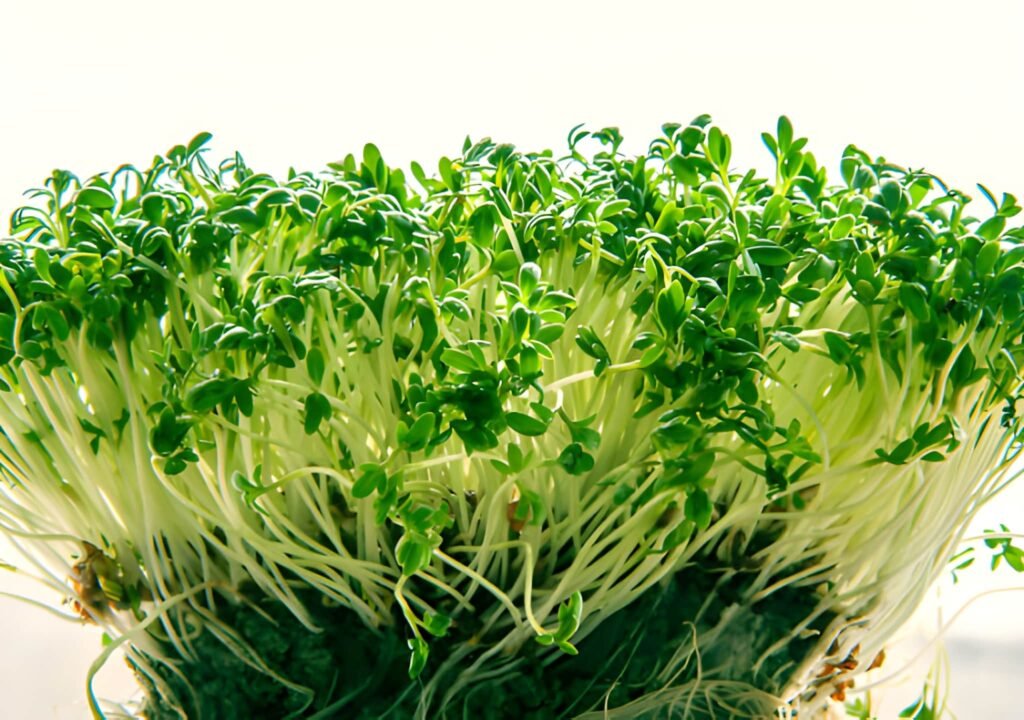
Alfalfa Sprouts and Breastfeeding: Navigating Safety
A deep-dive into nutritional density, bacterial risks, and specialist recommendations for the postpartum diet.
The Nutritional Logic of Alfalfa: A Dense Foundation
Alfalfa sprouts (Medicago sativa) are often heralded as a "superfood" due to their impressive nutrient density relative to their minimal caloric footprint. For a breastfeeding mother, whose metabolic demands increase by approximately 500 calories per day, finding high-nutrient, low-effort foods is a primary goal. Alfalfa provides a unique profile of vitamins and minerals essential for postpartum recovery and milk synthesis.
The primary nutritional benefit of alfalfa lies in its Vitamin K content. Vitamin K is a critical cofactor for blood clotting and bone metabolism. While the infant receives Vitamin K at birth via injection to prevent hemorrhagic disease, maternal intake supports the mother's own recovery from childbirth-related blood loss. Furthermore, alfalfa is a rich source of Vitamin C, which enhances iron absorption—a vital factor in the US where postpartum anemia affects up to 10 percent of women.
Phytoestrogens in Alfalfa
Alfalfa contains isoflavones, a type of phytoestrogen. In traditional herbal medicine, these compounds are sometimes cited as galactagogues (substances that increase milk supply). While scientific data on alfalfa specifically as a primary galactagogue is sparse, its general nutritional support contributes to a healthy hormonal environment for lactation.
| Nutrient | Per 100g Alfalfa Sprouts | Postpartum Benefit |
|---|---|---|
| Vitamin K | ~30.5 mcg | Supports blood clotting and maternal bone health. |
| Vitamin C | ~8.2 mg | Boosts immune function and aids iron absorption. |
| Folate (B9) | ~36 mcg | Essential for cellular repair and DNA synthesis. |
| Protein | ~4 grams | Provides foundational building blocks for milk proteins. |
The Bacterial Reality: Why Raw Sprouts Carry a Caveat
The fundamental question is not whether alfalfa is nutritious, but whether it is safe. The Food and Drug Administration (FDA) in the United States classifies raw sprouts as a "high-risk" food category. The reason is not the alfalfa plant itself, but the environment required to grow it.
To sprout, seeds require warm, humid conditions—the exact environment preferred by Salmonella, E. coli, and Listeria monocytogenes. Contamination often starts at the seed level, meaning even "organically grown" or "home-sprouted" alfalfa can harbor bacteria. Since the bacteria can reside inside the sprout, simple surface washing is often insufficient to eliminate the risk.
Specialist Analysis of Listeria Risk
Listeria is of particular concern to the maternal-infant specialist. While the mother's immune system is largely restored following birth, the "Fourth Trimester" remains a period of relative vulnerability. A Listeria infection (listeriosis) in a breastfeeding mother can cause severe gastrointestinal distress and fever. While the bacteria themselves do not readily pass through breast milk, the mother's resulting illness and potential dehydration can severely downregulate milk supply and necessitate medications that may require a temporary pause in breastfeeding.
Impact on Milk Supply and Infant Health
A common concern among new mothers is whether certain foods will cause "gas" or "fussiness" in the infant. Alfalfa is a legume, and like its cousins (beans and lentils), it contains complex carbohydrates. however, the trace amounts found in sprouts rarely survive maternal digestion in a form that would cause infant gas via breast milk.
The "Herbal" Connection: Alfalfa has been used historically in "Mother's Milk" tea blends. It is generally considered a "nutritive herb" rather than a potent hormonal stimulant. Its inclusion in the diet is more about providing the body with the raw materials needed for production than "forcing" a supply increase.
Safety Status Checker
Select your current health status to see the specialist's recommendation for alfalfa.
Mastery of Preparation: The "Cook to Clear" Rule
The clinical recommendation for alfalfa sprouts during breastfeeding mirrors the advice given during pregnancy: avoid raw sprouts. However, alfalfa does not have to be completely removed from the diet. The risks are mitigated entirely through heat.
Specialist Heat Guidelines
To ensure the destruction of pathogenic bacteria, sprouts must be cooked until they are steaming hot throughout.
Internal Temperature Target: 165 Degrees Fahrenheit
Note: This is easily achieved by sautéing sprouts in a stir-fry or adding them to a soup during the final five minutes of boiling.
The Sprout Substitution Grid: Safer Alternatives
If the desire for the "crunch" or the specific nutrient profile of alfalfa is strong, mothers can utilize safer alternatives that provide similar benefits with a significantly lower risk profile.
| Desired Benefit | Safe Substitution | Why it is Safer |
|---|---|---|
| Vitamin K / Folate | Sautéed Spinach or Kale | Grown in soil; surface washing and cooking remove 99 percent of risk. |
| Phytoestrogens | Cooked Soybeans (Edamame) | High-heat processing eliminates bacterial concerns. |
| Crunch / Texture | Thinly Sliced Snap Peas | Lower surface area for bacterial attachment; easier to clean. |
| Galactagogue Support | Oats or Flaxseed | Stable shelf life; zero risk of Salmonella or E. coli. |
Socioeconomic Context: Food Deserts and Safety Regulation
In the United States, food safety is an economic issue. Higher-income families often have access to "premium" produce that is subject to more rigorous third-party testing, yet the FDA warns that even high-end brands are not immune to sprout-related outbreaks. For families in "food deserts" where fresh produce is limited, alfalfa sprouts might be one of the few "green" items available in a local deli.
The FSMA Role: The Food Safety Modernization Act (FSMA) has implemented specific "Sprout Safety" rules for commercial growers. These include testing irrigation water and the sprouts themselves for pathogens. However, because of the inherent biology of the seed-sprouting process, the risk can never be zero. Mothers on programs like WIC or SNAP should be aware that while sprouts are occasionally eligible items, the cost-to-risk ratio often favors more stable vegetables like carrots, broccoli, or frozen leafy greens.
Recognizing Emergency Signals: Food Poisoning Symptoms
If raw alfalfa has been consumed, the mother must be vigilant for symptoms of food-borne illness. Early detection prevents dehydration and protects the milk supply.
Symptoms typically appear within 6 to 72 hours. Look for: intense abdominal cramping, watery or bloody diarrhea, persistent nausea, and fever. If these occur, contact your provider immediately. Dehydration is the biggest threat to your milk supply in this scenario.
Pathogenic bacteria like Salmonella do not typically enter breast milk. The primary risk to the baby is the interruption of nursing due to maternal illness or the potential for cross-contamination if the mother does not practice rigorous hand hygiene after being ill. Continue to provide milk (expressed or direct) to ensure the baby receives your antibodies, but prioritize your own hydration.
Yes. Because tea is prepared with boiling water, any bacteria present on the dried alfalfa leaf or seed is destroyed. Herbal tea blends containing alfalfa are considered safe and supportive for the lactating mother.
Specialist Summary: Confident Choices
Alfalfa sprouts are a nutritional powerhouse that can support a healthy lactation journey. However, the biological risk of raw consumption outweighs the benefits for the vulnerable postpartum system. The specialist's mandate is simple: Enjoy alfalfa, but always cook it. By incorporating sprouts into stir-fries, soups, or omelets, you harness the Vitamin K and Folate benefits while maintaining the clinical safety required to protect both yourself and your child.