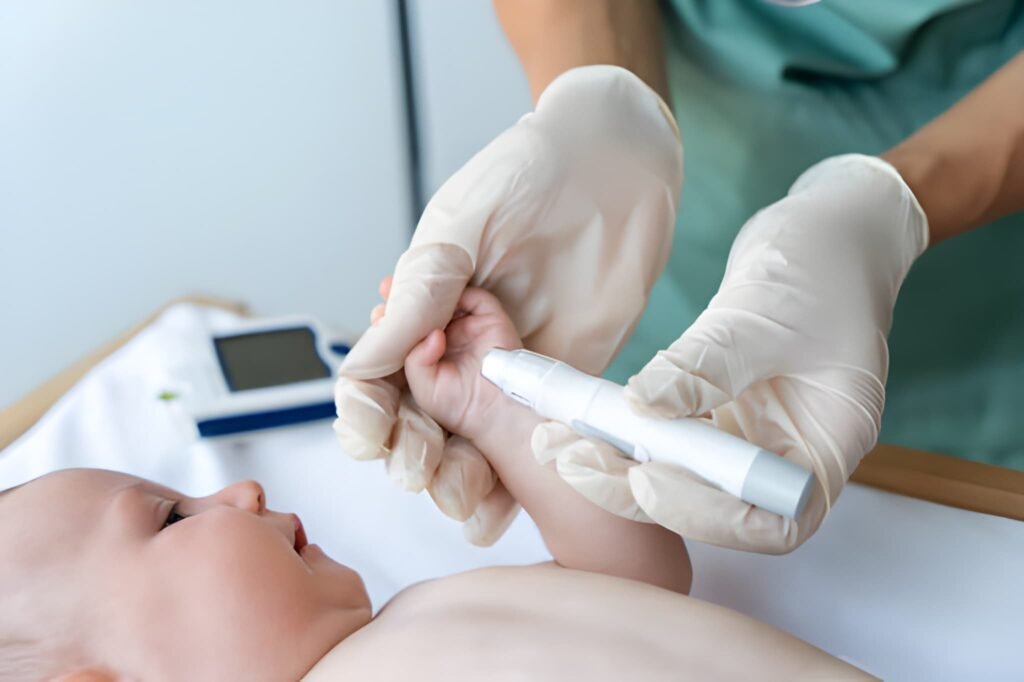
Neonatal Hypoglycemia: A Comprehensive Guide to Managing Newborn Blood Sugar
Understanding the physiological transition from the womb to the world and how medical teams stabilize metabolic health in the first hours of life.
The Delicate Balance of Early Life Metabolism
In the womb, a fetus receives a constant supply of glucose through the placenta. This steady flow provides the energy necessary for rapid brain development and the accumulation of fat stores. At birth, this supply line severs abruptly. The newborn must immediately pivot its entire metabolic system to maintain blood sugar levels independently.
During the first few hours of life, blood glucose levels naturally dip in almost every healthy newborn. This physiological nadir typically occurs between one and two hours after birth. For most babies, the body compensates by releasing stored sugar from the liver or creating new sugar from protein and fat. However, when these compensatory mechanisms fail or the demand for energy exceeds the supply, neonatal hypoglycemia occurs.
Who is at Risk? Categorizing Vulnerability
Medical professionals do not screen every newborn for low blood sugar. Instead, they focus on specific groups where the risk of metabolic instability is statistically higher. Understanding these categories helps parents and caregivers remain vigilant.
Infants of Diabetic Mothers
High maternal blood sugar causes the fetus to produce excess insulin. After birth, the insulin levels remain high while the sugar supply drops, leading to rapid hypoglycemia.
Premature Infants
Babies born before 37 weeks have not had enough time to build sufficient glycogen stores in the liver or adequate brown fat for heat production.
Growth Restricted Infants
Small-for-gestational-age babies often exhaust their limited energy stores quickly during the stress of labor and delivery.
Large-for-Gestational-Age
Babies weighing over 4,000 grams (approx. 8.8 lbs) often face higher insulin production or increased metabolic demands that outpace early feeding.
Recognizing the Subtle Signs of Low Blood Sugar
Hypoglycemia often presents with non-specific symptoms. Because newborns cannot communicate their discomfort, clinicians rely on physical observations and frequent monitoring. The signs often fall into two categories: neurogenic (caused by the body’s stress response) and neuroglycopenic (caused by brain sugar deprivation).
| Observation Type | Common Clinical Signs | Severity Indicator |
|---|---|---|
| Behavioral | Lethargy, poor feeding, weak cry, irritability | Early / Moderate |
| Physical/Motor | Jitters, tremors, hypotonia (floppiness), exaggerated reflexes | Moderate |
| Autonomic | Cyanosis (bluish skin), hypothermia, sweating, rapid breathing | Moderate / High |
| Critical | Seizures, apnea (stopping breathing), coma | Emergency |
It is important to distinguish between "normal" newborn jitteriness and hypoglycemic tremors. Jitters caused by low blood sugar usually stop when a caregiver holds the baby's limb firmly, whereas seizures do not stop with physical restraint.
Defining the Numbers: What Counts as Low?
Medical consensus on the exact number that defines hypoglycemia in the first 24 hours remains a topic of clinical discussion. The definition often changes based on the age of the infant in hours and whether the child shows symptoms.
- Birth to 4 Hours: Intervention usually starts if glucose is below 40 mg/dL.
- 4 to 24 Hours: The target range typically increases to 45 mg/dL or higher.
- Post-24 Hours: Most hospitals aim for a stable level above 50-60 mg/dL.
Note: Values are measured in milligrams per deciliter (mg/dL). To convert to mmol/L, divide the mg/dL value by 18.
The newborn liver is still learning to activate the enzymes required for gluconeogenesis (making new sugar). As the baby reaches 24 to 48 hours of life, the body becomes more efficient at maintaining its own levels, allowing the acceptable "safety net" number to rise.
For high-risk infants, screening usually begins within 30 to 60 minutes of the first feeding. Monitoring continues until the infant maintains stable pre-feeding levels for at least two or three consecutive checks.
Management and Treatment Pathways
The primary goal of treatment involves returning the blood sugar to a safe range as quickly as possible while supporting successful breastfeeding or formula feeding. Clinical management follows a tiered approach based on the severity of the drop and the baby's ability to feed.
Tier 1: Early Feeding and Skin-to-Skin
For borderline cases in asymptomatic babies, the first line of defense is food. Breastfeeding or providing expressed colostrum offers the most natural stabilization. Skin-to-skin contact also plays a vital role; it reduces the baby’s stress and helps maintain body temperature, which preserves energy stores.
Tier 2: Oral Glucose Gel
Many modern labor and delivery units now use 40% dextrose gel. Clinicians massage this sweet gel into the inside of the baby's cheek. It provides a rapid boost of sugar that the mucous membranes absorb quickly, often preventing the need for more invasive treatments or NICU admission.
Tier 3: Intravenous (IV) Therapy
If oral feedings and gel fail to stabilize the levels, or if the baby shows significant symptoms like seizures or extreme lethargy, doctors initiate IV glucose. This allows for a precise "Glucose Infusion Rate" that the team can adjust hour-by-hour.
Long-term Perspectives and Developmental Outlook
Most cases of neonatal hypoglycemia are transient. They resolve within the first two to three days of life as the baby's metabolic system matures. When managed promptly, these brief episodes typically carry no long-term consequences for the child's development or intelligence.
However, persistent or profound hypoglycemia requires deeper investigation. In rare cases, the condition stems from congenital hyperinsulinism (where the pancreas produces too much insulin) or metabolic disorders. In these instances, the medical team will involve endocrinology specialists to create a long-term care plan.
1. American Academy of Pediatrics (AAP) Clinical Report on Postnatal Glucose Homeostasis.
2. Pediatric Endocrine Society (PES) Guidelines on Evaluation and Management of Persistent Hypoglycemia.
3. Journal of Perinatology: Standards for Neonatal Glucose Screening.
Current as of .