Safe Arrivals: A Comprehensive Initiative for Newborn Fall Prevention
Empowering caregivers and healthcare providers to eliminate preventable injuries in the first days of life.
Defining the Landscape of Newborn Safety
Newborn safety remains a cornerstone of modern obstetric and neonatal care. While hospitals invest heavily in high-tech monitoring for physiological health, the physical safety of the neonate, specifically regarding accidental drops or falls, requires an equally rigorous focus. Statistics suggest that while infant falls are rare occurrences, their impact causes significant physical trauma and emotional distress for the families involved. This initiative addresses the multifaceted nature of newborn falls, extending from the initial hours of life through the transition to home care.
A newborn fall typically occurs when a caregiver, often exhausted by labor and delivery, falls asleep while holding the infant. This phenomenon, known as a Sudden Unexpected Postnatal Collapse (SUPC) related event, accounts for the majority of in-hospital neonatal drops.
The transition to parenthood brings a level of fatigue that few other life events can match. In the United States, current healthcare models emphasize rooming-in, which encourages bonding but also shifts the burden of constant vigilance onto the recovering mother. This paradigm necessitates a support system that balances the benefits of skin-to-skin contact with the clinical necessity of physical safety.
Risk Factors in the Postpartum Unit
Healthcare providers identify specific high-risk windows where falls are most likely to occur. Understanding these factors allows for proactive intervention rather than reactive mitigation. Staffing ratios, maternal medication levels, and the time of day all play significant roles in the safety profile of a neonatal unit.
| Risk Category | Contributing Factors | Impact Level |
|---|---|---|
| Maternal Fatigue | Length of labor, sleep deprivation > 24 hours | Critical |
| Pharmacological | Post-operative opioids, magnesium sulfate infusion | High |
| Environmental | Dim lighting, high bed height, cluttered paths | Moderate |
| Temporal | 02:00 to 06:00 (Circadian low point) | High |
Nurses and clinicians must evaluate mothers using standardized fatigue scales. If a mother reports extreme exhaustion or has received sedating medications, the protocol shifts toward mandatory supervision or placing the infant in a bassinet during rest periods. We move away from simple verbal warnings toward a structural safety net.
Evidence-Based Prevention Strategies
Effective prevention requires a tiered approach. We utilize the ABC of Newborn Safety: Awareness, Barriers, and Consistency. Hospitals that implement multi-component bundles see a dramatic decrease in near-misses and actual incidents.
Relies on the mother's ability to stay awake. Assumes the caregiver knows the risks intuitively. Lacks standardized checks during night shifts.
Utilizes hourly rounding focused on infant position. Implements visual cues (signage). Standardizes the use of safety-checked bassinets.
Empowering Caregivers Through Education
Education represents the first line of defense. However, education must occur at an appropriate time. Bombarding a mother with safety information immediately after a grueling delivery rarely leads to high retention. Instead, we distribute the learning throughout the hospital stay.
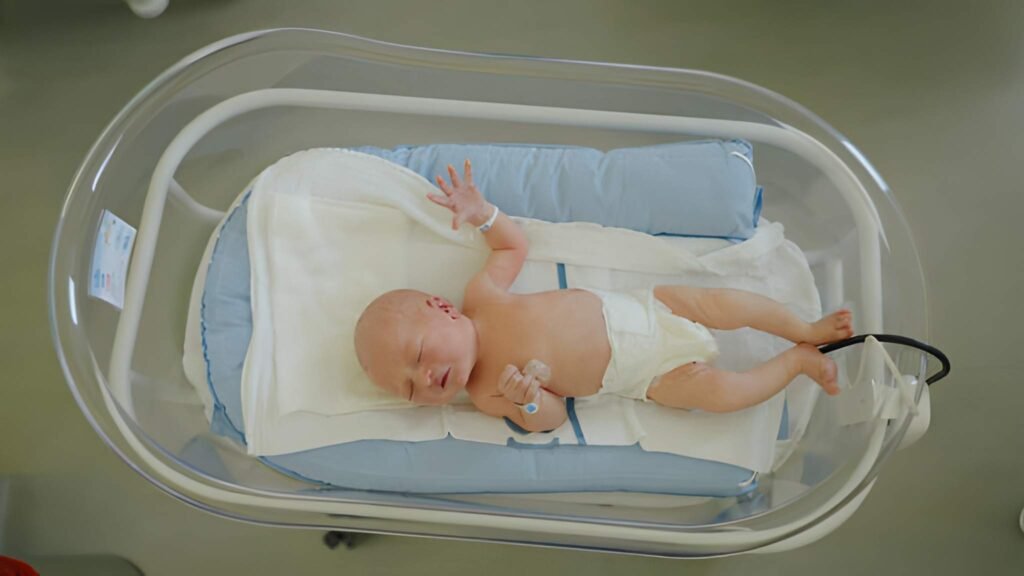
This protocol mandates that anytime a caregiver feels drowsy, the infant must return to the bassinet. It encourages partners or family members to act as designated "Spotters" during skin-to-skin sessions. If no spotter is available, skin-to-skin contact occurs only when a clinician is present or when the mother is demonstrably alert.
High-risk rooms (e.g., mothers on high-dose pain relief) receive a subtle visual indicator on the door or monitor. This alerts all entering staff to prioritize checking the infant’s location immediately upon entry, regardless of their primary reason for the visit.
We calculate the risk scores based on a simple point system. For instance, a mother with a long labor (1 point), a C-section delivery (1 point), and currently on IV pain meds (2 points) would reach a "Level 4 High Risk" status, triggering automated safety check-ins every 30 minutes.
Caregivers are four times more likely to experience microsleep during these hours.
Optimizing the Physical Environment
Safety does not end with behavioral changes. The furniture and layout of the postpartum room contribute to or mitigate the severity of a fall. By modifying the physical surroundings, we reduce the potential force of an impact.
Furniture Design and Height Control
Hospital beds frequently remain at a height convenient for staff procedures. However, a fall from 36 inches poses a much higher risk of intracranial hemorrhage than a fall from 20 inches. Current initiatives recommend keeping beds at the "lowest-to-floor" position whenever the mother is holding the infant.
Furthermore, flooring materials play a critical role. While linoleum or vinyl allows for easy sanitization, it offers zero impact absorption. Emerging research suggests that high-performance, antimicrobial acoustic flooring can reduce the peak deceleration of a falling object by up to 25% compared to standard concrete-backed vinyl.
Standardized Incident Response
If a fall occurs, the response must be immediate and follow a strict clinical pathway. The goal is to minimize secondary trauma and identify any internal injuries that may not be visible to the naked eye.
- Immediate Assessment: Check airway, breathing, and circulation.
- Neurological Screening: Assess for bulging fontanelles, pupil response, and irritability.
- Diagnostic Imaging: Use low-dose CT scans or ultrasound depending on the height of the fall and the surface impacted.
- Observation: Mandatory 24-hour observation period regardless of initial presentation.
Documentation of these events serves a dual purpose. It ensures the infant receives the highest level of care and provides the data necessary for root cause analysis. Hospitals must foster a "no-blame" culture. If a mother admits to dropping her baby, the focus must remain on her health and the infant's recovery, rather than punitive measures. Shaming caregivers leads to under-reporting, which is the greatest threat to neonatal safety.
Conclusion of the Safe Arrivals Framework
Preventing newborn falls requires more than just careful parents; it demands a systemic architecture of safety. By combining environmental design with compassionate, fatigue-aware clinical protocols, we protect the most vulnerable members of society during their most critical transition. Through the Safe Arrivals initiative, we ensure that every child's first journey is a secure one, marked by the warmth of a caregiver's embrace and the unwavering protection of a vigilant healthcare system.