Defining the Dedicated Education Unit in Nursing
Clinical education remains the cornerstone of nursing preparation. However, the traditional model often creates a disconnect between the classroom and the complex reality of a busy hospital floor. The Dedicated Education Unit (DEU) offers a collaborative solution. It transforms a standard hospital unit into a specialized learning environment where staff nurses take on the primary role of clinical instructors for students.
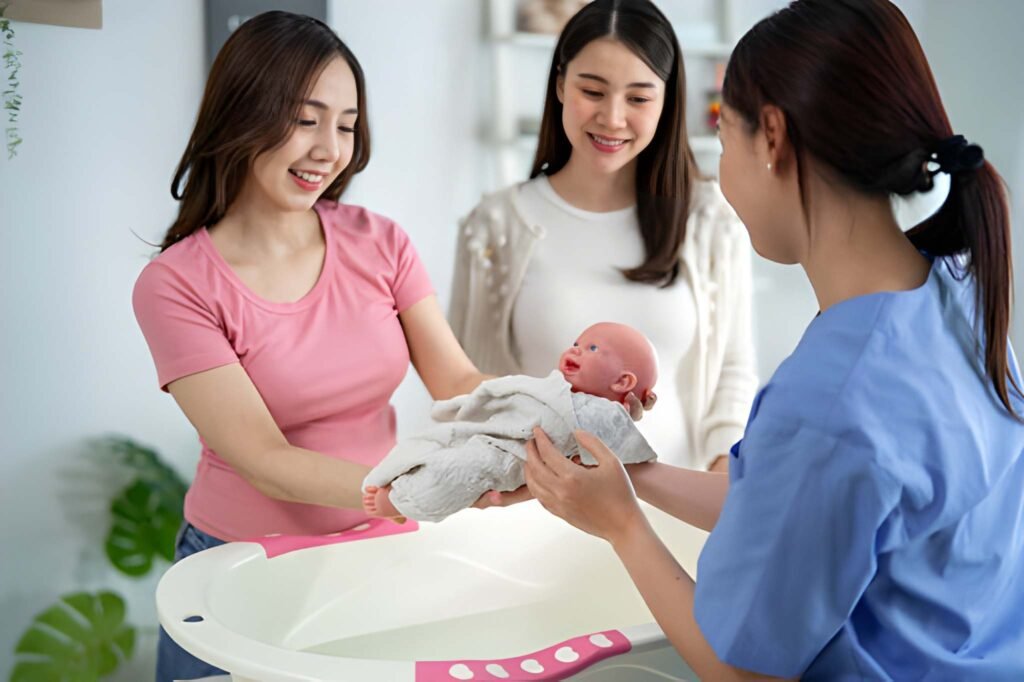
Unlike traditional rotations, where a university-employed instructor supervises eight to ten students across various patients, the DEU model pairs students directly with staff nurses who work on that specific unit. This partnership fosters a sense of belonging and community. The unit staff views the students not as temporary visitors, but as future colleagues. This cultural shift enhances the learning experience by providing consistency and deep integration into the clinical workflow.
The Unique Demands of Maternal-Newborn Specialty
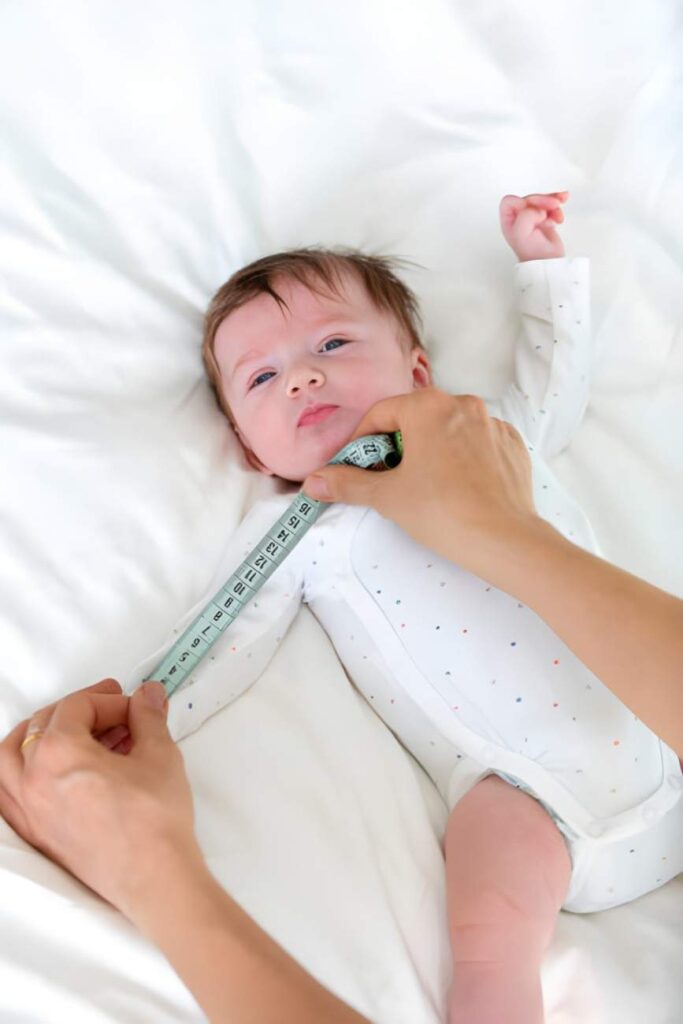
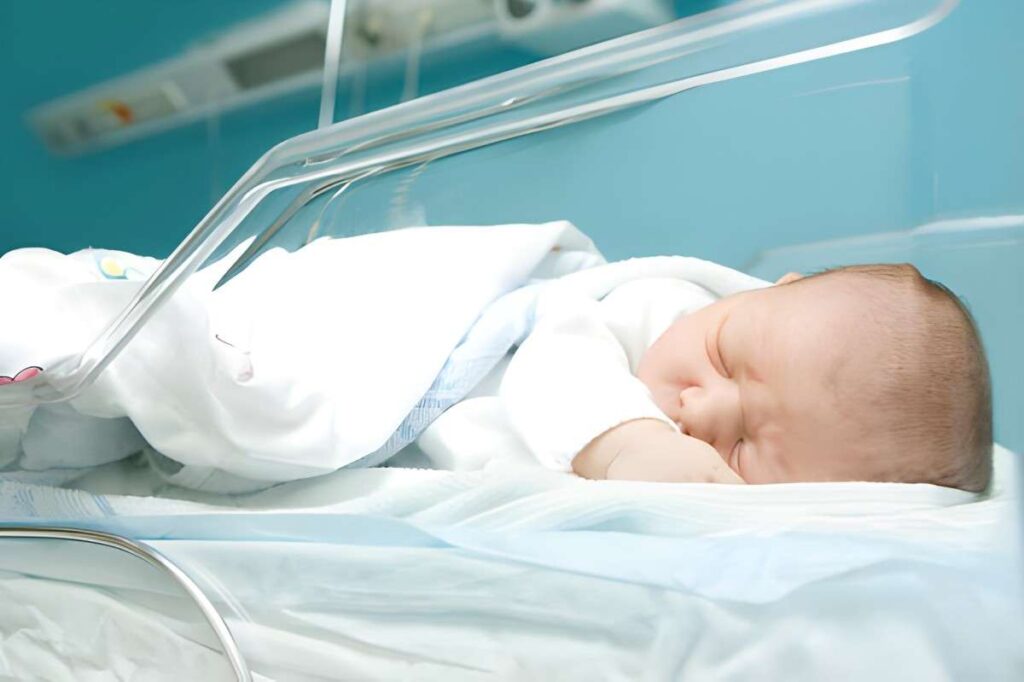
Maternal-newborn nursing, often encompassing Labor and Delivery (L&D), Postpartum, and the Neonatal Intensive Care Unit (NICU), presents unique challenges for students. These environments are highly emotive, unpredictable, and technically demanding. A DEU in this specialty provides the stability students need to master delicate skills like fundal assessments, neonatal resuscitation, and lactation support.
In a maternal-newborn DEU, students witness the continuity of care. They observe the transition from a high-intensity labor room to the quiet, educational atmosphere of a postpartum suite. This holistic view is often lost in traditional models where students might only spend a single shift in each sub-specialty. The DEU allows students to build rapport with patients over consecutive shifts, mirroring the actual professional experience of a staff nurse.
Defining Roles and Responsibilities
The success of the DEU hinges on clearly defined roles. Success requires a triad of cooperation between the student, the staff nurse (often called a Clinical Liaison), and the faculty member.
The Nursing Student
Students take on a more active role in the unit. They follow the preceptor’s schedule, attending staff meetings and participating in shift hand-offs. This immersion accelerates their transition from student to practitioner.
The Clinical Liaison (Staff Nurse)
These are experienced bedside nurses who volunteer to mentor students. They receive training in educational strategies but remain hospital employees focused on patient safety and excellence.
The Academic Coordinator
Faculty members no longer stand at the bedside for every task. Instead, they move between pairs, providing resources, evaluating competencies, and ensuring that clinical experiences align with curriculum goals.
Traditional Model vs. DEU Model: A Comparative Grid
To understand why healthcare systems are shifting toward the DEU, we must examine the structural differences between the two primary clinical education pathways.
| Feature | Traditional Clinical Model | Dedicated Education Unit (DEU) |
|---|---|---|
| Instructor-Student Ratio | 1 instructor to 8 or 10 students | 1 nurse to 1 or 2 students |
| Primary Instructor | University Faculty | Hospital Staff Nurse (Clinical Liaison) |
| Unit Integration | Students often feel like "guests" | Students are integrated team members |
| Clinical Hours | Fixed blocks (e.g., 0700-1500) | Follows the nurse’s 12-hour shift |
| Feedback Loop | Delayed (via weekly journals) | Immediate and continuous at bedside |
Evidence-Based Outcomes and Quality Metrics
Research consistently indicates that DEU graduates feel more prepared for the workforce. In the context of maternal health, where patient safety metrics like hemorrhage protocols and infant abduction prevention are critical, the increased "repetition of high-stakes tasks" in a DEU leads to better competency scores.
Implementing the Logistics: Staffing and Financials
Implementing a DEU requires careful logistical planning. Nursing administrators must calculate the capacity of the unit based on the number of qualified staff nurses willing to participate. In a standard 20-bed postpartum unit, the math usually looks like this:
Staffing Ratio: 1 Nurse to 3 Couplets (typical day shift)
Total Nurses on Shift: 4 Nurses
DEU Capacity: If 3 out of 4 nurses are Liaisons,
Student Capacity: 3 Liaisons x 2 Students = 6 Students per shift.
Hospitals must also consider the cost of training. Providing a 4-hour or 8-hour "Preceptor Workshop" for staff nurses is an upfront investment. However, when compared to the cost of nurse turnover—which can exceed 50,000 dollars per nurse—the DEU's ability to create a "pipeline" of pre-vetted, high-quality graduates provides a substantial return on investment (ROI).
Overcoming Barriers and Future Trends
Despite the benefits, the DEU model faces hurdles. Staffing shortages in the landscape make it difficult for nurses to take on teaching roles while managing heavy patient loads. Furthermore, academic institutions must be willing to relinquish some control over the clinical experience.
Looking ahead, we see the integration of technology within the DEU. Virtual reality (VR) simulations are being used to supplement the DEU experience, allowing students to practice rare maternal emergencies (like shoulder dystocia) before they encounter them in the unit. The hybrid approach—combining the mentorship of the DEU with advanced simulation—is likely to become the gold standard for maternal-newborn nursing education.
Ultimately, the Dedicated Education Unit represents a move toward a more sustainable, respectful, and effective way of teaching the next generation of nurses. By placing the expert nurse at the heart of the educational process, we ensure that new mothers and their newborns receive care from graduates who are not just competent, but truly ready for the demands of the profession.