The Genetic Ledger: Should Every Newborn Have a DNA Profile?
Examining the intersection of preventative medicine, forensic utility, and the fundamental right to genetic privacy.
Navigation
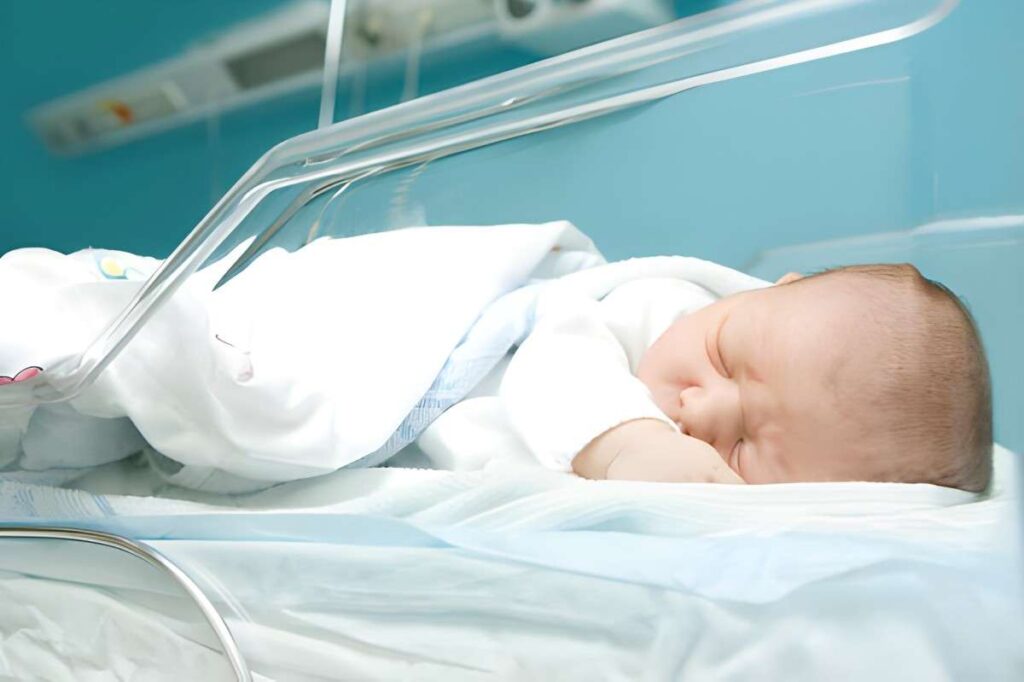
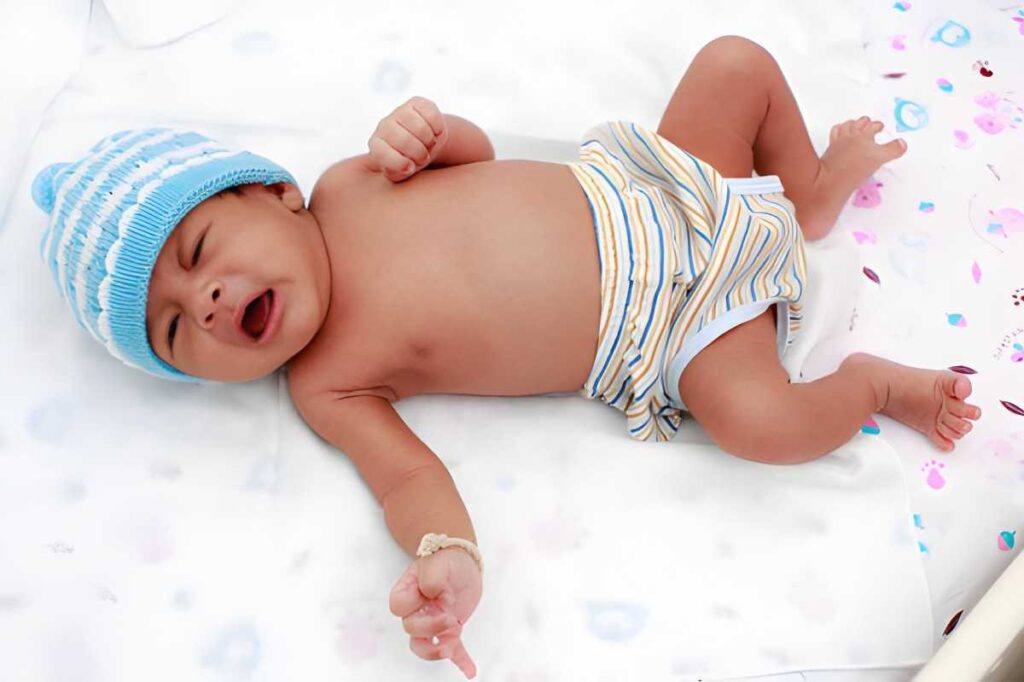
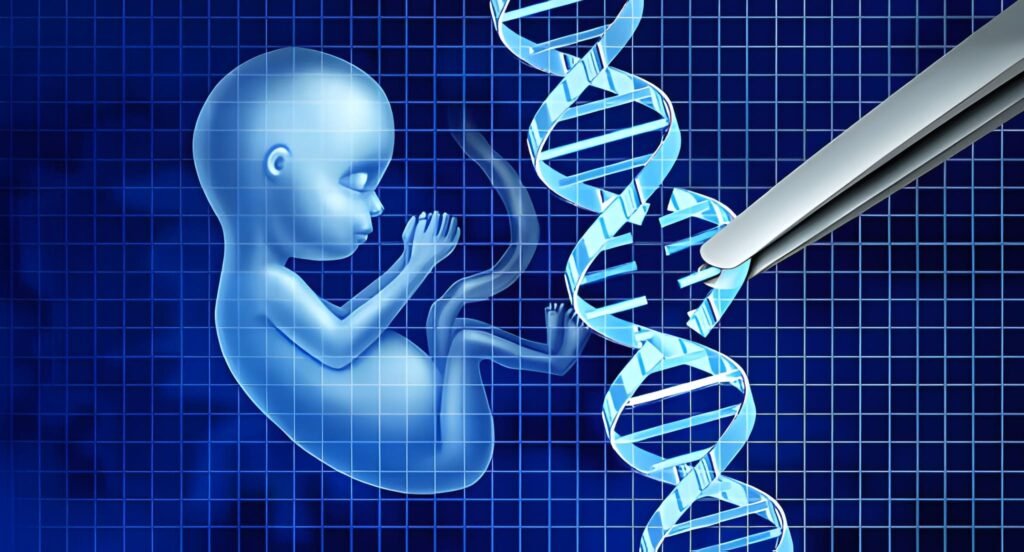
Modern medicine stands at a precipice where the ability to decode life precedes the ability to live it. For decades, hospitals in the United States have performed "heel stick" tests on newborns to screen for dozens of rare but treatable conditions. However, the proposal to move from targeted metabolic screening to full genomic profiling—taking a complete DNA map of every child at birth—represents a monumental shift in how society views human identity and health.
Proponents envision a world where a child’s medical care is tailored to their specific genetic makeup from day one, potentially eradicating the trial-and-error approach to pharmaceutical prescriptions. Critics, meanwhile, see a dystopian framework where an individual’s most intimate data is cataloged before they can even crawl, raising questions about who owns that data and how it might be used by insurers, employers, or the state.
The Evolution of Newborn Screening
Newborn screening is not new. Since the 1960s, the Guthrie test has allowed clinicians to identify Phenylketonuria (PKU), a condition that causes intellectual disabilities if not managed by diet. Today, most states screen for 30 to 60 conditions. The transition to a full DNA profile would expand this from a few dozen markers to billions of data points.
The Case for Precision Medicine
The primary argument for mandatory DNA profiling rests on the foundation of preventative health. If doctors know a child possesses a high genetic risk for type 2 diabetes, cardiovascular issues, or specific childhood cancers, they can implement lifestyle interventions and rigorous monitoring long before a diagnosis occurs.
Pharmacogenomics—the study of how genes affect a person’s response to drugs—is another significant benefit. A DNA profile would serve as a lifelong "instruction manual" for medications. For example, some children lack the enzymes necessary to process common pain relievers or anesthesia safely. A DNA profile available at the point of care would prevent adverse drug reactions, which remain a leading cause of hospitalization in the U.S.
Early Intervention Savings
A 2023 study suggested that early detection of rare genetic disorders via newborn sequencing could reduce lifetime healthcare costs for those individuals by 40% through targeted therapies and the avoidance of emergency interventions.
The Privacy Paradox
While the medical benefits are compelling, the ethical hurdles are significant. Unlike a blood type or a cholesterol reading, a DNA profile is immutable and predictive. It contains information not just about the child, but about their parents, siblings, and future offspring. Taking this data at birth removes the individual’s right to "genetic ignorance"—the right to not know what their future health might hold.
If a DNA profile reveals a predisposition to a costly chronic condition, could that individual eventually face higher insurance premiums or denial of coverage? While current laws provide some protection, the long-term security of this data in a shifting political landscape remains a primary concern for privacy advocates.
Knowledge of a "genetic ticking clock" can lead to significant anxiety for both parents and the child. Being labeled as "pre-ill" can affect a child’s upbringing, parental expectations, and the child’s own sense of agency and future.
Legal Protections & Gaps
In the United States, the Genetic Information Nondiscrimination Act (GINA) of 2008 provides a baseline of protection. GINA prohibits health insurers from using genetic information to deny coverage or determine premiums, and it forbids employers from using genetic data in hiring or promotion decisions.
However, GINA has notable limitations that often go unmentioned in public discourse. The table below illustrates the current landscape of genetic data protection in the U.S.
| Area of Protection | Covered by GINA? | The Reality |
|---|---|---|
| Health Insurance | Yes | Cannot use DNA to adjust rates or deny. |
| Employment | Yes | Protects against genetic discrimination at work. |
| Life Insurance | No | Companies can still use DNA results to deny policies. |
| Long-Term Care | No | Disability and long-term care insurers are exempt. |
| Military Service | No | The U.S. military has separate standards for genetic fitness. |
The Forensic Debate
One of the most contentious aspects of newborn DNA profiling is its potential utility for law enforcement. If every citizen's DNA is on file from birth, the solve rate for violent crimes would likely skyrocket. Cold cases would become a thing of the past as forensic matches would be nearly instantaneous.
However, this creates a "Universal DNA Database" by default. Critics argue this violates the Fourth Amendment protection against unreasonable searches and seizures. They contend that a baby should not be treated as a "suspect-in-waiting." The use of genetic data for purposes other than the medical benefit for which it was collected is often cited as a breach of the "social contract" between citizens and the medical establishment.
Function Creep
Sociologists warn of "function creep," where data collected for a benevolent purpose (healthcare) is eventually accessed for secondary purposes (policing, immigration tracking, or even social credit scoring).
Socioeconomic Implications
If DNA profiling remains an elective, expensive add-on, it could widen the existing health equity gap. Wealthy families would have access to high-resolution preventative blueprints, while lower-income families continue with standard care. Conversely, if made mandatory and state-funded, the concerns shift toward the history of medical exploitation of marginalized communities.
Trust in the healthcare system is a prerequisite for a program of this scale. For communities that have historically experienced "biocolonialism" or unethical medical experimentation, the state’s demand for a child’s DNA profile may be met with profound skepticism.
The Road to
As the cost of whole-genome sequencing (WGS) continues to plummet—dropping from billions of dollars per genome to less than five hundred—the economic barrier is vanishing. The conversation in the coming years will shift from "can we do this?" to "should we allow this?"
A middle-ground approach currently being piloted involves decentralized storage. In this model, the DNA profile is generated at birth and encrypted. The key is held by the parents (and eventually the child), and the data is only decrypted when a specific medical need arises. This attempts to marry the medical benefits of sequencing with the privacy of individual ownership.
Ultimately, the decision to profile newborns at birth requires a societal consensus on the value of privacy versus the value of health. While a DNA profile offers a powerful shield against disease, it also creates a permanent digital footprint that can never be erased. As we move closer to , the debate will only intensify, forcing us to define what parts of our biological code belong to us, and what parts belong to the future of public health.