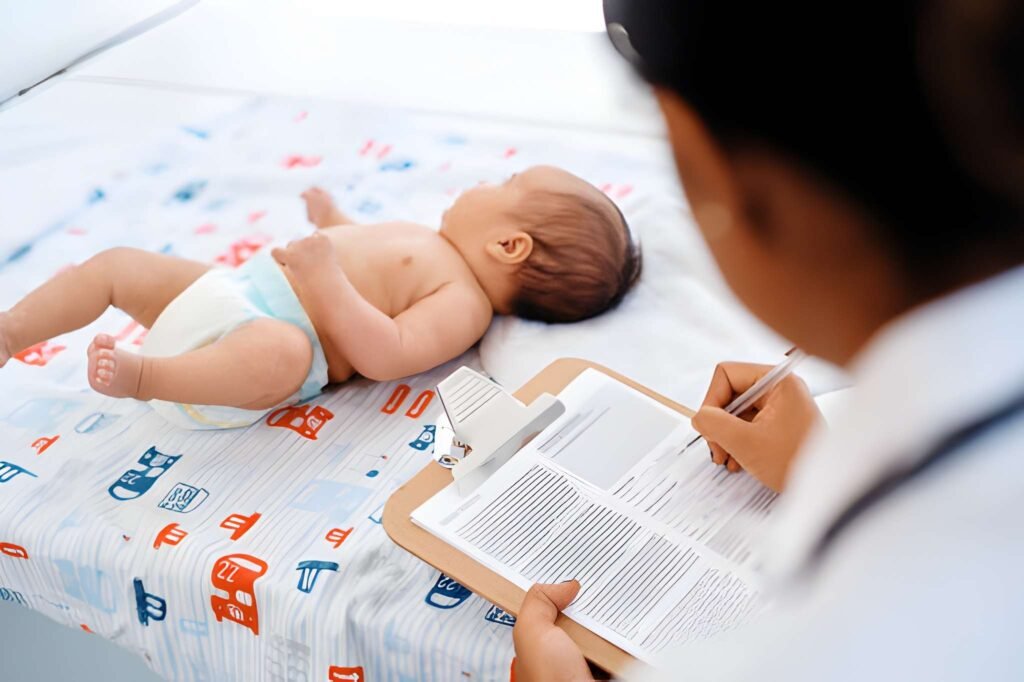
The transition from the intrauterine environment to the external world requires a series of rapid physiological adaptations. When a full-term infant arrives in the newborn nursery, the nursing staff begins a standardized admission process designed to ensure safety, promote stability, and identify potential complications early. A full-term infant, born between 37 and 42 weeks of gestation, typically possesses the developmental maturity to manage this transition, yet the first hours of life remain the most critical period for clinical observation.
The Golden Hour Transition
The initial sixty minutes after birth, often called the golden hour, marks the most significant shift in respiratory and circulatory function. The infant must clear fetal lung fluid, establish a regular breathing pattern, and close fetal circulatory shunts like the ductus arteriosus. While many infants remain with the mother for skin-to-skin contact during this time, the nursery admission process begins the moment the infant enters the unit for formal stabilization and assessment.
Thermoregulation stands as a primary priority. Newborns lose heat rapidly through evaporation, conduction, convection, and radiation. A full-term infant possesses brown fat stores to assist with heat production, but the nurse must still provide a neutral thermal environment to prevent cold stress, which can lead to metabolic acidosis and hypoglycemia.
Immediate Nursery Assessments
Upon admission, the nurse performs a head-to-toe physical examination. This assessment goes beyond the APGAR scores assigned in the delivery room. The nurse evaluates the infant for birth trauma, congenital anomalies, and signs of respiratory distress. Skin color, muscle tone, and reflex irritability provide immediate clues regarding the infant’s neurological and cardiovascular status.
Respiratory Evaluation
Observing for nasal flaring, grunting, or retractions. A normal respiratory rate ranges between 30 and 60 breaths per minute.Neurological Tone
Full-term infants should display a flexed posture. A "floppy" or hypotonic infant requires immediate investigation for sepsis or neurological depression.Vital Sign Parameters
Monitoring vital signs provides the baseline for all future clinical decisions. Unlike adults, infants exhibit significant variability in heart rate and respiratory rate based on their state of arousal—whether they are crying, sleeping, or alert. Consistency in measurement technique ensures accurate tracking of the infant's clinical trajectory.
| Vital Sign | Normal Range (Full-Term) | Clinical Consideration |
|---|---|---|
| Heart Rate | 110 to 160 beats per minute | May drop to 80 during deep sleep or rise to 180 during crying. |
| Respiratory Rate | 30 to 60 breaths per minute | Periodic breathing (pauses less than 15 seconds) is common. |
| Temperature | 97.7 F to 99.5 F (Axillary) | Low temperature often signals early infection or cold stress. |
| Oxygen Saturation | Greater than 95% | Measured via pulse oximetry on the right hand and either foot. |
Mandatory Newborn Screenings
The nursery admission phase includes several screenings mandated by state and federal health guidelines. These tests identify conditions that may not be apparent during a physical exam but can cause significant developmental or health issues if left untreated.
Essential Prophylaxis
Standard neonatal care involves the administration of three primary medications during the admission period. These interventions prevent severe, life-threatening conditions that historically affected newborns before modern medical protocols were established.
Vitamin K (Phytonadione): Administered via intramuscular injection. Newborns have low Vitamin K levels, which are necessary for blood clotting. This prevents Vitamin K Deficiency Bleeding (VKDB).
Hepatitis B Vaccine: The first in a series of immunizations to protect the infant from viral liver infection.
Hydration and Weight Monitoring
A full-term infant typically loses weight during the first few days of life as they shed excess extracellular fluid and begin the feeding process. Clinicians monitor this loss closely to ensure it stays within safe physiological limits. A loss of up to 10% of birth weight is considered normal, provided the infant remains hydrated and alert.
Weight Loss Calculation:
1. Subtract current weight from birth weight: 3,500 - 3,250 = 250 grams lost.
2. Divide the loss by birth weight: 250 / 3,500 = 0.0714.
3. Multiply by 100 to find the percentage: 0.0714 x 100 = 7.14% weight loss.
Since 7.14% is less than the 10% threshold, this infant is maintaining an acceptable physiological weight curve. If the percentage exceeded 10%, the medical team would evaluate feeding efficiency and hydration status.
Nursery Security Standards
Safety in the newborn nursery extends beyond clinical care. Hospital units utilize sophisticated security measures to prevent infant abduction and ensure that infants are correctly matched with their parents. This process begins the moment the infant enters the nursery.
Matching identification bands are placed on the infant (usually two bands), the mother, and a designated support person. These bands contain identical alphanumeric codes. Every time the infant is moved between the nursery and the mother's room, the staff must verify these codes. Furthermore, most modern nurseries use electronic sensors attached to the infant's umbilical clamp or ankle that trigger an alarm if the infant is moved near an exit.
Umbilical Cord Care
The umbilical cord serves as a potential portal for infection. Nursery protocol dictates keeping the cord area clean and dry. While practice varies, most facilities recommend "dry care," which involves folding the diaper down to expose the stump to air. The nurse monitors the site for redness, foul odor, or purulent drainage, which could indicate omphalitis.
Preparing for Discharge
The admission process serves as the foundation for the eventual discharge. Before a full-term infant can go home, they must demonstrate stability in three areas: maintaining body temperature in an open crib, successful feeding (either breast or bottle), and a stable respiratory pattern. Parents receive education on safe sleep, car seat safety, and recognizing signs of illness, such as jaundice or fever.
The thorough assessment and standardized procedures of the newborn nursery admission ensure that every infant receives a safe start to life. By adhering to strict vital sign monitoring, universal screenings, and prophylactic treatments, healthcare providers mitigate risks and support the intricate biological journey of the full-term newborn.