The Magnitude of Neonatal Mortality
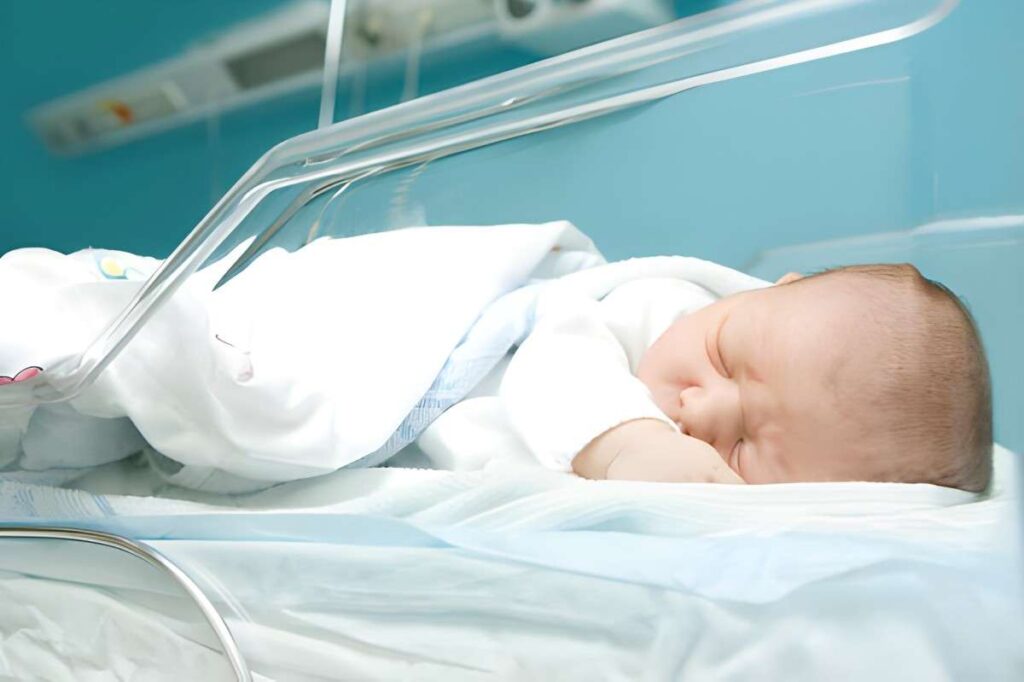
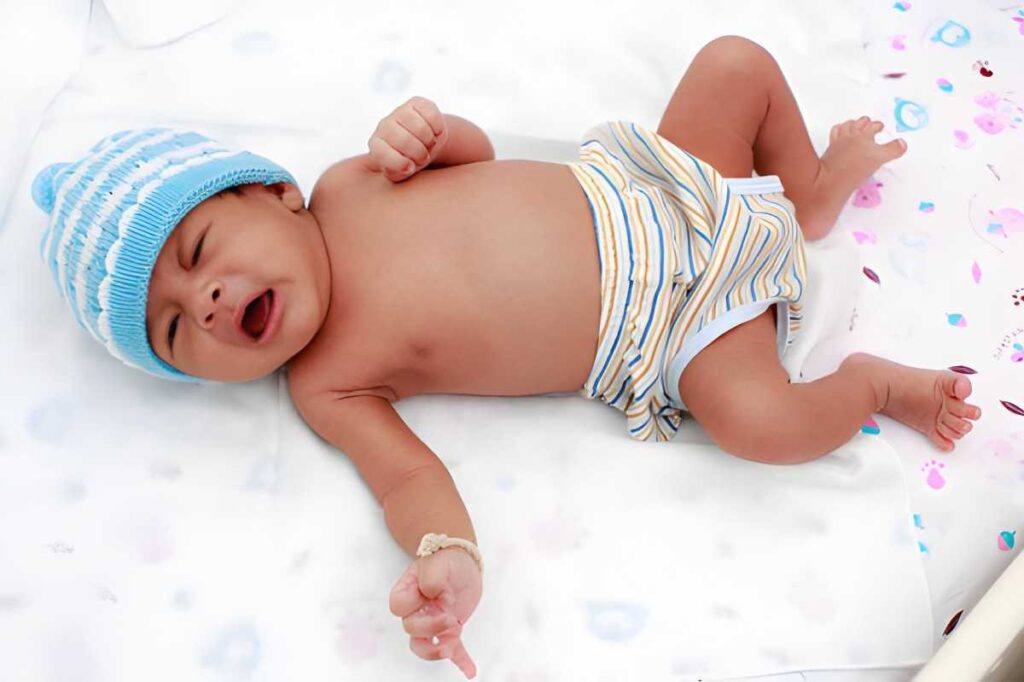
Neonatal mortality remains one of the most stubborn challenges in global public health. While child survival rates improved dramatically over the last three decades, the neonatal period—the first 28 days of life—represents the highest risk interval. Infections, specifically neonatal sepsis, meningitis, and pneumonia, account for roughly 25% of all neonatal deaths globally. This translates to hundreds of thousands of preventable losses every year.
Data from the World Health Organization indicates that the majority of these deaths occur in low- and middle-income countries. In these regions, a combination of limited access to skilled birth attendants, poor sanitation, and malnutrition creates a perfect storm for bacterial invasion. However, neonatal sepsis is not exclusive to the developing world. In high-income nations, the rise of antimicrobial resistance and the increasing survival of extremely preterm infants maintain sepsis as a critical concern in every Neonatal Intensive Care Unit (NICU).
Pathophysiology: The Vulnerable Newborn
The newborn immune system exists in a state of delicate transition. During the intrauterine period, the fetus relies heavily on maternal antibodies transferred across the placenta. At birth, the infant must suddenly activate its own innate and adaptive immune responses. Unfortunately, neonatal neutrophils and T-cells possess limited functional capacity compared to adults.
When a pathogen enters the bloodstream, the newborn body often lacks the inflammatory "brakes" necessary to prevent a systemic collapse. Sepsis occurs when the immune response to an infection triggers widespread organ dysfunction. In neonates, this typically manifests as respiratory failure, hemodynamic instability, and metabolic acidosis.
Classifying the Threat: Early vs. Late Onset
Clinical specialists categorize neonatal sepsis based on the timing of symptom presentation. This classification is vital because it determines the likely source of the pathogen and the empirical antibiotic choice.
| Feature | Early-Onset Sepsis (EOS) | Late-Onset Sepsis (LOS) |
|---|---|---|
| Onset Time | Birth to 72 Hours | 72 Hours to 28 Days |
| Primary Source | Vertical (Maternal) | Horizontal (Environment/Caregivers) |
| Common Pathogens | Group B Streptococcus, E. coli | Staphylococcus aureus, CoNS, Klebsiella |
| Mortality Rate | Higher in Term Infants | Higher in Preterm/NICU Infants |
The Cascade of Risk: Maternal and Neonatal Factors
Identifying the at-risk newborn requires a detailed analysis of the peripartum history. Sepsis rarely occurs without a preceding risk factor. Clinicians look for specific indicators that suggest a high bacterial load in the maternal environment or a break in the infant's protective barriers.
Maternal chorioamnionitis (infection of the fetal membranes) serves as the strongest predictor of EOS. Other significant risks include prolonged rupture of membranes (over 18 hours), maternal fever during labor (exceeding 100.4 degrees Fahrenheit), and positive Group B Streptococcus colonization without adequate antibiotic prophylaxis.
Prematurity is the dominant neonatal risk factor. Low birth weight infants possess thinner skin and lower levels of maternal IgG antibodies. Additionally, infants requiring invasive procedures like intubation or central venous catheters face a significantly higher risk of late-onset hospital-acquired infections.
The Diagnostic Dilemma
Newborns do not "tell" us when they are septic. Their symptoms are often subtle, non-specific, and mimic other common conditions like respiratory distress syndrome or transient tachypnea. A newborn with sepsis may simply be "not doing well" or "feeding poorly." This necessitates a high index of suspicion.
Common Clinical Presentations
- Temperature Instability: Unlike adults, neonates often present with hypothermia rather than fever.
- Respiratory Distress: Grunting, flaring, and retractions are early signs of systemic distress.
- Cardiovascular Changes: Poor perfusion, delayed capillary refill, and tachycardia.
- Neurological Signs: Lethargy, hypotonia, or irritability.
Clinicians use weighted scores to determine the necessity of antibiotics. Toggle the factors below to see the clinical approach.
Socioeconomic Disparities: A Geographic Tragedy
While sepsis is a biological process, its outcomes are determined by socioeconomic reality. In the United States, neonatal sepsis mortality is less than 5%. In parts of Sub-Saharan Africa and Southeast Asia, that number can exceed 40%. This disparity stems from the availability of diagnostics and the speed of treatment.
Pathogens in low-resource settings are often more virulent and multidrug-resistant. Many families lack the funds for a 7-day course of intravenous antibiotics, leading to incomplete treatment and the survival of resistant bacterial strains. Furthermore, the lack of clean water makes handwashing—the most basic form of sepsis prevention—impossible for many caregivers.
Standard of Care: Life-Saving Interventions
Once sepsis is suspected, time becomes the most critical factor. The "Golden Hour" of sepsis management requires the administration of empirical antibiotics within 60 minutes of suspicion. For newborns, this usually involves a combination of Ampicillin and Gentamicin.
Supportive care is equally vital. Specialists must manage fluid balance carefully, as septic neonates are prone to both fluid overload and shock. Oxygen therapy or mechanical ventilation may be necessary to support the lungs while the antibiotics work to reduce the bacterial burden.
The Future of Prevention
Reducing global neonatal mortality requires a shift from treatment to prevention. Public health initiatives focus on three pillars:
- Maternal Immunization: Developing vaccines for Group B Streptococcus that can be administered during pregnancy to provide passive immunity to the newborn.
- Clean Birth Kits: Providing inexpensive kits containing soap, a clean blade, and sterile cord ties to women in remote areas.
- Education: Training community health workers to recognize "danger signs" in newborns, allowing for faster referrals to hospitals.
As a child and mother specialist, I emphasize that every neonatal sepsis death is a failure of the system, not the science. We possess the antibiotics and the knowledge to save these lives. The challenge lies in the equitable distribution of these resources and the persistent fight against antimicrobial resistance. By protecting the newborn's first frontier—their immune stability—we safeguard the future of global health.