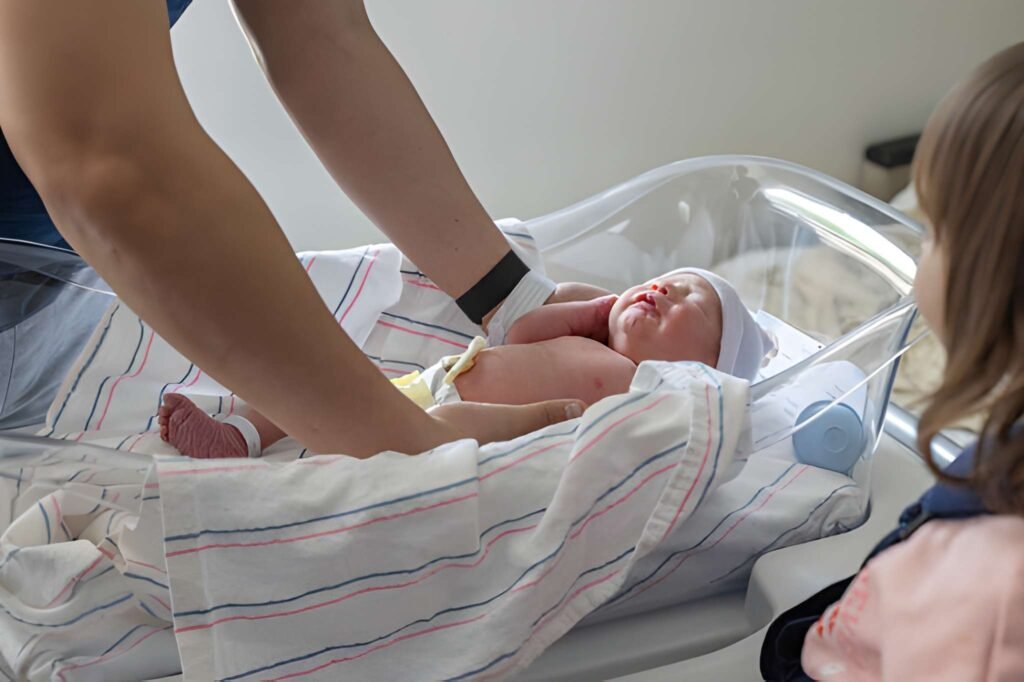
Biological Priorities: The First Frontier
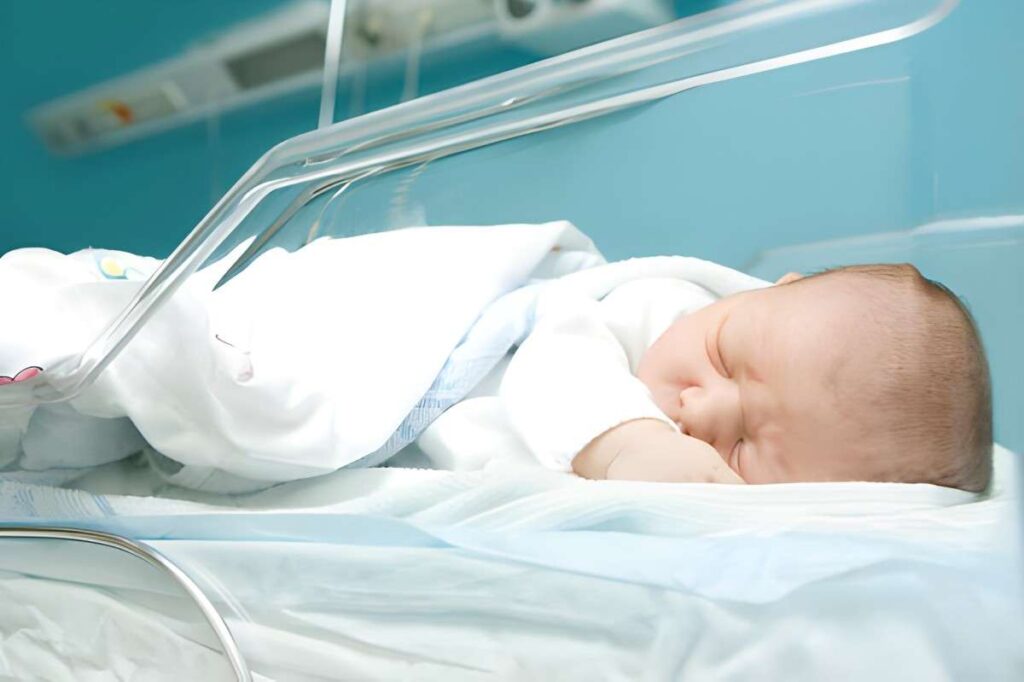
When discussing "must-haves" for a newborn, the conversation often shifts to strollers and monitors. However, from a specialist perspective, the most critical requirements are biological. The transition from intrauterine to extrauterine life involves a massive physiological shift. The newborn must suddenly regulate their own temperature, blood sugar, and respiratory rate.
The absolute first biological must-have is Skin-to-Skin contact, frequently referred to as "The Golden Hour." This interaction stabilizes the infant’s heart rate and cortisol levels. It also initiates the transfer of maternal skin flora, which serves as the newborn’s first line of defense against pathogenic bacteria in the hospital environment.
Clinical Must-Haves: Standard Prophylaxis
Modern neonatology identifies specific clinical interventions that significantly reduce the risk of catastrophic illness. These are non-negotiable standards of care in the United States and globally.
Newborns are born with very low levels of Vitamin K, which is essential for blood clotting. Without a supplemental injection at birth, infants are at risk for Vitamin K Deficiency Bleeding (VKDB), a condition that can cause spontaneous intracranial hemorrhage. This is a primary clinical must-have for every neonate.
This antibiotic ointment prevents ophthalmia neonatorum, a severe eye infection caused by bacteria in the birth canal. If left untreated, these infections can lead to permanent corneal scarring and blindness.
Often called the "heel stick," this test screens for over 30 genetic and metabolic disorders, including PKU and Congenital Hypothyroidism. Early detection allows for immediate dietary or medical intervention before permanent brain damage occurs.
Nutritional Volume and Calculations
Newborns have remarkably small stomachs. On day one, a newborn’s stomach capacity is approximately 5 to 7 milliliters—roughly the size of a large cherry. By day ten, it expands to about 60 to 80 milliliters. Understanding these volumes is essential to prevent overfeeding or dehydration.
A healthy newborn typically requires 100 to 120 calories per kilogram of body weight per day. For most infants, this translates to specific volumes based on their weight.
7 lbs 11 oz = 3.5 kg
Step 2: Determine daily fluid needs
A typical newborn needs 150 ml of fluid per kg.
3.5 kg × 150 ml = 525 ml per day.
Step 3: Calculate volume per feed
If feeding every 3 hours (8 times per day):
525 ml ÷ 8 feeds ≈ 65 ml (roughly 2.2 ounces) per feeding.
The Safe Sleep Standard: ABCs
Sleep safety is the most critical environmental must-have. Sudden Infant Death Syndrome (SIDS) remains a leading cause of post-neonatal mortality. Clinicians emphasize the "ABC" method to minimize risks.
| Requirement | The Standard | Why It Is a Must-Have |
|---|---|---|
| Alone | No pillows, blankets, or bumpers. | Prevents accidental suffocation or rebreathing of CO2. |
| Back | Always placed on the back to sleep. | Keeps the airway clear and prevents choking. |
| Crib | A firm, flat sleep surface. | Ensures spinal alignment and prevents entrapment. |
| Smoke-Free | Environment free from tobacco. | Secondhand smoke significantly increases SIDS risk. |
Physical Safety: Transport and Support
The physical vulnerability of a newborn cannot be overstated. Their neck muscles are insufficient to support the weight of their head, and their skeleton is still largely cartilaginous.
This is the only way to safely transport a newborn. In a collision, the rear-facing shell supports the head, neck, and spine, distributing force across the strongest part of the body.
A rectal thermometer is the clinical gold standard for newborns. Any temperature above 100.4 degrees Fahrenheit in the first 28 days is a medical emergency requiring immediate evaluation.
Newborn skin is 30% thinner than adult skin. Harsh chemicals or fragrances can disrupt the skin's acid mantle and lead to contact dermatitis.
The Socioeconomic Village: Parental Support
A newborn does not exist in a vacuum. Their health is inextricably linked to the well-being of their caregivers. In the United States, the lack of universal paid parental leave represents a significant socioeconomic barrier to newborn health.
A true "must-have" for a newborn is a caregiver who is not severely sleep-deprived or suffering from untreated postpartum mood disorders. Research shows that maternal depression can affect the quality of bonding and the consistency of safety practices. Therefore, a robust support system—whether it involves family, community groups, or professional help—is just as essential as a crib or car seat.
Essential Supplies Checklist
By focusing on these biological, clinical, and environmental priorities, parents and clinicians ensure the newborn has a foundation for lifelong health. While the market offers thousands of accessories, the true essentials remain rooted in safety, nutrition, and immunological protection.