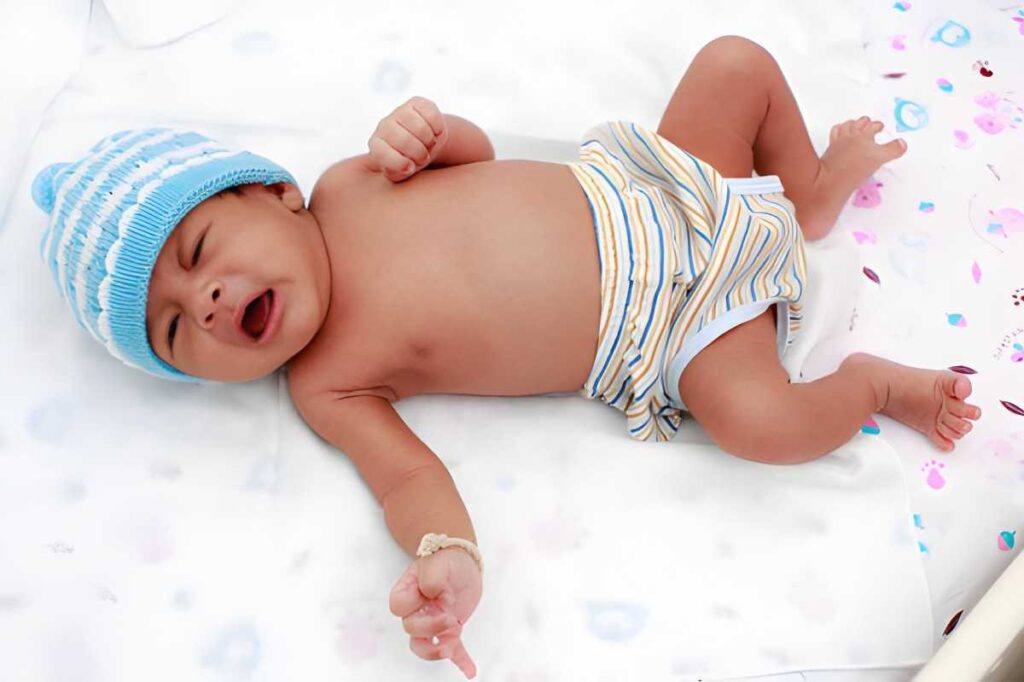
Navigating a Newborn Blood Disorder Diagnosis: A Comprehensive Clinical and Emotional Guide
Understanding the Unexpected News
Receiving word that your newborn faces a blood disorder shifts the early days of parenthood into a world of clinical terms and specialized care. While the initial shock feels overwhelming, modern pediatric hematology offers sophisticated diagnostic tools and highly effective management protocols. These conditions involve irregularities in the blood components: red cells, white cells, platelets, or the plasma proteins responsible for clotting.
Blood serves as the body’s delivery system, carrying oxygen, fighting infections, and sealing wounds. When a disorder occurs, one of these systems requires external support. Understanding the specific nature of your baby’s condition is the first step toward confidence in their care plan.
Common Newborn Blood Disorders
Hematological conditions in infants generally fall into three categories: deficiencies, structural abnormalities, or clotting malfunctions. Below is a breakdown of the most frequently diagnosed conditions in the neonatal unit.
| Condition Name | Primary Effect | Common Symptom | Typical Management |
|---|---|---|---|
| Sickle Cell Anemia | Red blood cells become rigid/crescent-shaped | Dactylitis (hand/foot swelling) | Hydration, penicillin prophylaxis |
| Hemophilia (A or B) | Lack of clotting factor VIII or IX | Prolonged bleeding from heel sticks | Factor replacement therapy |
| Newborn Jaundice (Pathological) | Excess bilirubin from red cell breakdown | Yellowing of skin and eyes | Phototherapy, hydration |
| Thalassemia | Reduced hemoglobin production | Pale skin, poor feeding | Folic acid, monitoring, transfusions |
| Neonatal Alloimmune Thrombocytopenia | Low platelet count due to maternal antibodies | Petechiae (tiny purple spots) | Platelet transfusions, IVIG |
A Deeper Look: Sickle Cell and Thalassemia
Many blood disorders are hereditary, meaning they are passed down through family genetics. For instance, Sickle Cell Disease and Thalassemia affect the hemoglobin inside red blood cells. In the United States, newborn screening programs identify these conditions within days of birth, often before the baby shows any outward signs of illness. This early detection is life-saving, as it allows medical teams to start preventative antibiotics and education before complications arise.
The Diagnostic Journey: What to Expect
Doctors use a series of precise tests to confirm a diagnosis. In many cases, the first hint comes from the standard newborn screening (the heel prick test). If this returns an abnormal result, the medical team initiates more specific testing.
Physicians may also request genetic testing for the parents. This helps determine the inheritance pattern and provides essential information for future family planning. While the process involves frequent blood draws, neonatal nurses are highly skilled at performing these procedures with minimal discomfort for the infant.
Laboratories use reference ranges specific to age. A newborn's hemoglobin level is naturally higher than an adult's. For example:
- Adult Normal: 12 to 16 g/dL
- Newborn Normal: 14 to 24 g/dL
A reading of 12 g/dL might be normal for a mother but indicates significant anemia for a one-week-old infant. Always verify results against neonatal-specific standards.
The Current Treatment Landscape
Treatment for newborn blood disorders has advanced rapidly over the last decade. Many therapies that once required long hospital stays are now managed through outpatient clinics or even at home.
Daily Management and Care Strategies
Transitioning from the hospital to home requires a new set of routines. Your primary goal is to maintain a stable environment where your baby can grow while you stay vigilant for signs of change.
Monitoring for Red Flags
Every parent of a child with a blood disorder should know the clinical signs that require an immediate call to the doctor or a trip to the emergency room:
Establishing a Medical Home
A Medical Home is not a place, but a philosophy of care. It means you have a primary pediatrician who communicates seamlessly with your pediatric hematologist. This coordination ensures that when your baby gets a common cold, the doctor considers how the blood disorder might interact with that illness.
Building Emotional Resilience as a Parent
The psychological impact of a chronic diagnosis on parents is significant. You are navigating the grief of the "healthy child" image you held, while simultaneously becoming a medical manager. It is vital to acknowledge that your well-being directly impacts your baby’s care.
Avoid the "Google trap." General searches often yield worst-case scenarios and outdated statistics. Instead, rely on reputable organizations like the American Society of Hematology or specific foundations dedicated to your child’s condition. These groups provide peer-reviewed information and connect you with other families who have walked this path before.
The Role of the Specialist Nurse
Hematology nurses are often your best resource for the practicalities of daily life. They can offer advice on everything from how to travel with medication to how to explain the condition to daycare providers or family members.
Resources and Support Systems
Medical care for blood disorders can be expensive, involving frequent specialty visits and potentially high-cost medications. However, many programs exist to ease this burden for American families.
Investing time in finding these resources early prevents financial strain from becoming an added stressor. Your medical team is there to support the whole family, not just the patient.
A Note on Long-Term Outlook
We live in an era where gene therapy and bone marrow transplants are becoming curative options for several blood disorders. While your baby is small, the focus is on stability and growth. As they age, new medical breakthroughs may offer even more permanent solutions. For now, focus on the milestones: the first smile, the first word, and the steady progress of a well-managed condition.