The human reproductive system operates through a series of timed biological events that begin long before a child takes her first breath. For female infants, one of the most remarkable aspects of their physiology is the "finite" nature of their reproductive potential. Unlike males, who produce new sperm cells continuously throughout their adult lives, a newborn girl enters the world with every single egg cell she will ever possess. This predetermined Ovarian Reserve serves as the foundation for her future reproductive health. Understanding the sheer scale of this reserve, and the massive cellular loss that occurs before birth, reveals a fascinating chapter of human developmental biology.
The Seven Million Peak: Fetal Oogenesis
The journey of these reproductive cells begins in the early weeks of gestation. Specialized cells known as primordial germ cells migrate to the developing ovaries of the female fetus. Once settled, these cells undergo rapid mitotic division, transforming into billions of oogonia. By the fifth month of pregnancy, the female fetus reaches her absolute peak reproductive potential. At this stage, her tiny ovaries contain approximately 7 million germ cells.
This staggering number represents the high-water mark of a woman's reproductive life. However, even before she is born, a process of programmed cell death begins. This biological "culling" reduces the number of cells significantly before delivery. This suggests that nature prioritizes quality over quantity, as only a fraction of these initial oogonia will successfully transition into primary oocytes and survive the trek to the birth of the infant.
Primary Oocytes at Birth: The Newborn Count
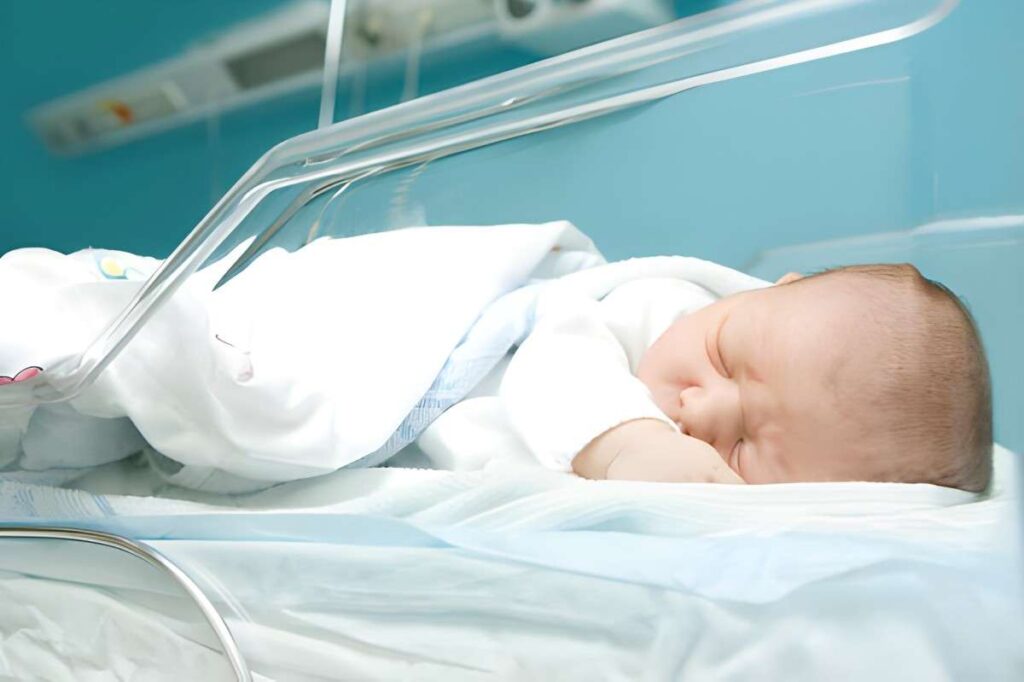
When a female infant arrives at full term, her ovaries have undergone a significant transformation. The billions of oogonia have either perished or transitioned into primary oocytes. A newborn girl's ovaries contain about 1 million to 2 million primary oocytes. While this remains a substantial number, it represents a sharp decline from the 7 million present just four months earlier.
These 1 to 2 million oocytes are all that remain of the initial fetal population. They are stored in the outer layer of the ovaries, known as the cortex, each encased in a single layer of protective cells to form what biologists call a primordial follicle. These follicles will remain dormant for years, waiting for the hormonal signals of puberty to awaken them. It is important to note that no new oocytes will ever form; the newborn girl has already reached her lifetime maximum for her birth state.
| Life Stage | Average Oocyte Count | Biological State |
|---|---|---|
| 5-Month Fetus | 7,000,000 | Oogenetic Peak |
| Newborn Girl | 1,000,000 - 2,000,000 | Ovarian Reserve at Birth |
| Puberty | 300,000 - 500,000 | Reproductive Start |
| Age 37 | 25,000 | Accelerated Decline |
| Menopause | Less than 1,000 | Reserve Depletion |
The Process of Atresia: Continuous Loss
The reduction in the oocyte count does not stop at birth. From the moment of delivery until the onset of menopause, the ovaries experience a continuous, non-stop loss of primary oocytes. This process, known as atresia, occurs independently of pregnancy, birth control, or health status. Even during childhood, when the reproductive system appears quiet, thousands of oocytes perish every month.
By the time a girl reaches puberty, her count of 1 to 2 million has dwindled further to approximately 300,000 to 500,000. This means that nearly three-quarters of the oocytes present at birth are lost before the girl ever experiences her first menstrual cycle. This continuous attrition ensures that only the most robust follicles remain for potential ovulation during the reproductive years.
Average count at birth: 1,500,000.
Average count at puberty (Age 12): 400,000.
Total Loss: 1,100,000 oocytes over 12 years.
Annual Loss: 1,100,000 / 12 = 91,666 oocytes per year.
Monthly Loss: 91,666 / 12 = 7,638 oocytes per month.
This means that every single day of a young girl's life, her ovaries lose roughly 250 primary oocytes, even before her reproductive system becomes active.
Understanding Meiotic Arrest: Cells in Waiting
A fascinating aspect of the primary oocyte in a newborn is its state of "suspended animation." During fetal development, these cells begin the process of meiosis—the specialized cell division required to create eggs with half the normal number of chromosomes. However, the process does not complete.
Implications for Fertility and Modern Research
The fact that a newborn girl possesses a finite number of oocytes has profound implications for modern medicine. Because these cells are present from birth, they are exposed to everything the individual encounters over her lifetime. Environmental toxins, radiation, and certain medical treatments like chemotherapy can damage the Ovarian Reserve. Since the body cannot manufacture new eggs, this damage is often permanent.
Recent research in the field of regenerative medicine has explored whether "oogonial stem cells" might exist in adult ovaries, potentially allowing for the creation of new eggs. While this research is groundbreaking, the scientific consensus remains that for all practical and clinical purposes, the 1 to 2 million oocytes present at birth represent the total reproductive capital for a woman's life.
Conclusion: The Foundation of Life
The ovarian reserve of a newborn girl is one of the most remarkable examples of biological foresight in nature. By the time an infant is born, her body has already performed a massive selection process, reducing 7 million potential cells to a sturdy reserve of 1 to 2 million primary oocytes. This reserve, though constantly dwindling through the process of atresia, provides the essential materials for the next generation. As she grows, these dormant cells remain arrested in time, carrying the genetic blueprint for the future. Understanding this finite resource underscores the importance of reproductive health and the delicate, high-stakes engineering that goes into the creation of human life.