The 40-Degree Lean: Understanding Newborn Femoral Anteversion
The Architecture of the Newborn Hip
When a child enters the world, their skeletal structure is far from its final adult form. One of the most significant differences lies in the femur, or thigh bone. Specifically, the relationship between the neck of the femur and the shaft of the bone features a distinct "twist." This anatomical characteristic is known as femoral anteversion.
In simple terms, if you look down the length of the femur from the hip to the knee, anteversion describes the forward rotation of the femoral neck. While an adult typically possesses about 15 degrees of this rotation, a newborn baby arrives with approximately 30 to 40 degrees. This high degree of anteversion is a biological standard, not a defect, and it plays a critical role in the way an infant’s legs appear and move during the first months of life.
Why 40 Degrees? The Science of the Baseline
The high angle of 30 to 40 degrees is largely a result of the infant's position within the uterus. During the third trimester, space becomes limited, and the fetus must "package" its limbs tightly. This intrauterine molding forces the hips into a position of flexion and external rotation, which naturally preserves a higher degree of twist in the developing femoral bone.
Results in knees pointing slightly inward when the hip is neutral.
The bone gradually untwists as the child walks and grows.
The stabilized position for optimal weight distribution.
This initial 40-degree angle provides a wide range of internal rotation at the hip. If you lay a newborn on their back, you might notice their feet naturally turn inward or outward quite easily. This flexibility is the hallmark of healthy neonatal orthopedics, allowing the soft cartilage of the hip socket to model itself around the femoral head as the baby begins to move.
The Developmental Shift: The Untwisting Process
As a child grows, the femur undergoes a natural process of remodeling. The 40-degree twist does not disappear overnight. Instead, it slowly decreases throughout childhood. This reduction is driven by two main factors: muscle pull and weight-bearing activities like crawling, standing, and walking.
| Age Group | Average Anteversion Angle | Expected Gait Pattern |
|---|---|---|
| Newborn | 35 - 40 Degrees | Flexed, externally rotated posture |
| 12 Months | 30 - 32 Degrees | Wide-based "toddler" waddle |
| 5 Years | 20 - 25 Degrees | Possible "intoing" (pigeon-toed) |
| 10 Years | 15 - 18 Degrees | Stable, forward-facing gait |
| Adult | 12 - 15 Degrees | Final skeletal alignment |
The most rapid change occurs between birth and the age of eight. By the time a child reaches puberty, the rate of change slows significantly as the growth plates in the femur begin to close. Understanding this timeline helps clinicians and parents distinguish between a normal developmental phase and a persistent orthopedic concern.
Measuring the Angle: The Clinical Assessment
While a definitive measurement requires advanced imaging like a CT scan or MRI, pediatric specialists often use physical exams to estimate the degree of anteversion. The most common bedside test is the Trochanteric Prominence Angle Test (also known as the Ryder Test).
Clinicians track the "Untwisting Rate" to ensure development is on track. A standard calculation for expected improvement is:
Expected Reduction = (Current Angle - 15) / Years remaining until age 10
Example: If a 5-year-old has 25 degrees of anteversion, they have 10 degrees to "lose" over 5 years. This averages to a reduction of 2 degrees per year, which is perfectly healthy.
During a physical exam, the specialist will rotate the baby’s hip while palpating the bony part of the outer thigh (the greater trochanter). By measuring the angle of the lower leg when the trochanter is most prominent, they can estimate the version of the femoral neck. In newborns, this rotation is so significant that the leg can often rotate inward much further than it can rotate outward.
Clinical Implications: Intoing and Pigeon Toes
When femoral anteversion remains high (above 20 degrees) into the toddler years, it manifests as intoing, or pigeon-toed walking. Because the neck of the femur is twisted forward, the child must rotate their entire leg inward to fit the femoral head comfortably into the hip socket. This makes the knees and toes point toward each other.
Parental Observations: What to Watch For
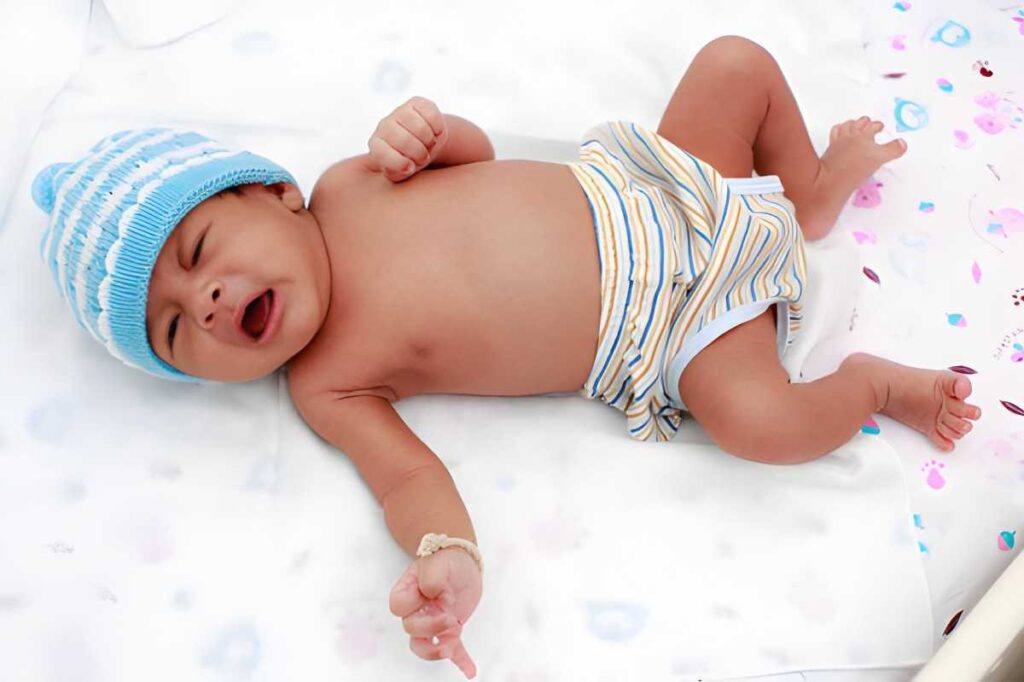
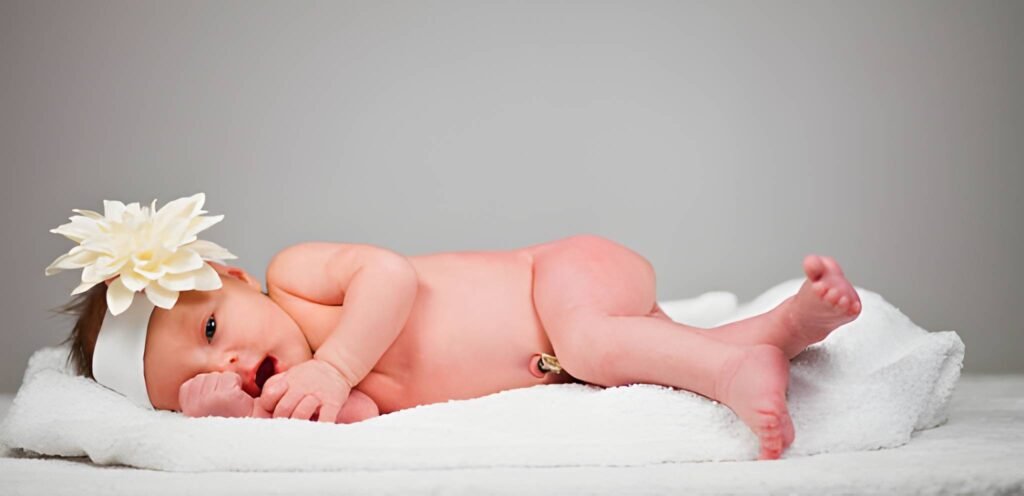
As a parent, your role is to observe the natural progression of your child's movement. In the newborn phase, you should expect to see your baby's legs in a "frog-like" position. This is the body's way of balancing the 40-degree anteversion with the tight ligaments of the hip.
In , we emphasize that early intervention is rarely about "fixing" the bone and more about monitoring the growth. You may notice your child runs with a "clumsy" gait or that their kneecaps point inward when they stand. These are typical signs that the 40-degree baseline is still working its way down to the adult 15-degree mark.
Supportive Positioning and Activity
While you cannot manually "untwist" a bone, you can support healthy hip development through specific positioning and encouraging diverse movement patterns. This ensures that the muscles surrounding the hip remain balanced as the bone matures.
Recommended Activities
- Tailor Sitting: Encourage your child to sit "criss-cross applesauce." This promotes external rotation, which is the opposite of the anteversion twist.
- Gross Motor Play: Activities like climbing and swimming strengthen the hip abductors and rotators, providing a stable muscular "sleeve" for the developing bone.
- Proper Swaddling: In the newborn stage, always ensure swaddling allows the hips to remain flexed and free to move. Tight, straight-leg swaddling can fight against the natural 40-degree angle and increase the risk of hip issues.