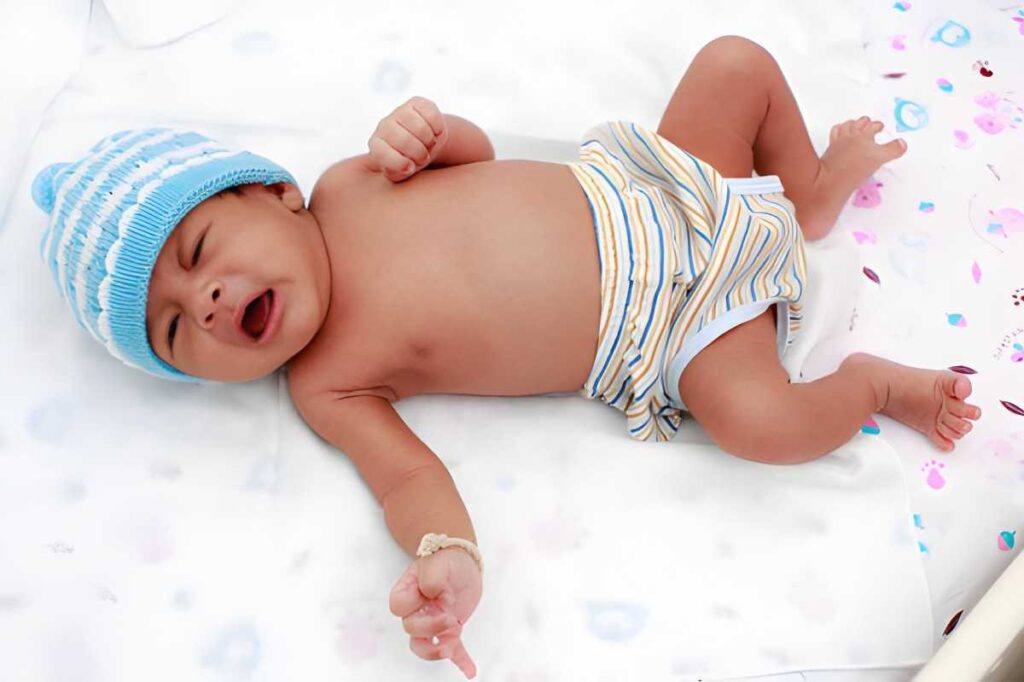
Immediate Care and Diagnosis: When a Newborn Presents with Severe Bleeding
A Specialist Review of Neonatal Hemorrhagic Disorders and Emergency Protocols
The First Response: Stabilization and Assessment
Severe bleeding in a newborn, occurring within hours or days of delivery, represents a true medical emergency. As a specialist, I recognize that the initial moments of care dictate the outcome. Whether the bleeding manifests as oozing from the umbilical stump, gastrointestinal hemorrhage, or intracranial pressure changes, the priority remains hemodynamic stability. Physicians must secure the airway, ensure adequate ventilation, and establish reliable intravenous or umbilical venous access immediately.
Physicians categorize neonatal bleeding into three distinct timeframes: early (first 24 hours), classic (days 2 to 7), and late (2 weeks to 6 months). When a male newborn presents with severe bleeding shortly after delivery, we focus intensely on the early and classic windows. We assess for external trauma from delivery, but we also look for internal cues that suggest a systemic coagulation failure.
Vitamin K Deficiency Bleeding (VKDB)
Historically known as Hemorrhagic Disease of the Newborn, VKDB remains a primary suspect in neonatal bleeding. Newborns possess naturally low levels of Vitamin K because the nutrient crosses the placenta poorly and the sterile infant gut lacks the bacteria necessary for synthesis. In the United States, the standard of care involves a single intramuscular injection of Vitamin K shortly after birth. When parents decline this prophylaxis, the risk of severe, life-threatening bleeding increases exponentially.
In the early presentation window (within 24 hours), maternal medications often play a role. If a mother took anticonvulsants or certain blood thinners during pregnancy, these substances might have interfered with the infant's Vitamin K processing. The table below outlines the differences in VKDB timing and presentation.
| Category | Timeline | Common Bleeding Sites | Primary Causes |
|---|---|---|---|
| Early VKDB | 0 to 24 Hours | Skin, Intracranial, Umbilicus | Maternal medication interference |
| Classic VKDB | Days 2 to 7 | Gastrointestinal, Circumcision site | Low Vitamin K intake, poor feeding |
| Late VKDB | 2 Weeks to 6 Months | Intracranial (High risk) | Malabsorption, total breast milk diet without prophylaxis |
The Albinism Connection: Hermansky-Pudlak Syndrome
If a newborn presents with both severe bleeding and the physical characteristics of albinism (pale skin, white hair, or light eyes), specialists immediately investigate Hermansky-Pudlak Syndrome (HPS). This rare autosomal recessive disorder combines oculocutaneous albinism with a platelet function defect. Unlike hemophilia, where a clotting factor is missing, HPS involves "storage pool deficiency." The platelets are present in normal numbers, but they lack the dense granules required to release the chemicals that initiate a strong clot.
HPS is particularly prevalent in certain populations, most notably those of Puerto Rican descent, but it occurs worldwide. In a newborn male, severe bleeding from a circumcision or an umbilical site combined with light pigmentation should trigger specific platelet aggregation testing. While the albinism is visible, the bleeding tendency is the "hidden" danger that requires lifelong management.
In HPS, a standard CBC (Complete Blood Count) usually shows a normal number of platelets. However, these platelets fail to stick together properly. This makes the diagnosis tricky because basic labs might look deceptive.
Beyond bleeding and vision issues, certain types of HPS can eventually lead to pulmonary fibrosis or inflammatory bowel disease later in life. Early diagnosis allows for proactive screening.
Children with HPS must avoid aspirin and ibuprofen, as these medications further inhibit platelet function and can trigger uncontrollable bleeding episodes.
Critical Laboratory Values and Diagnostic Pathways
To determine why a newborn is bleeding, we utilize a specific battery of tests. We look at the "coagulation cascade"—the complex series of steps the body takes to form a clot. Because neonatal blood volumes are small, we prioritize the most high-yield tests first.
PT measures the "extrinsic" pathway. It is highly sensitive to Vitamin K levels. A significantly prolonged PT (often over 20 seconds in a newborn) suggests VKDB or liver dysfunction. The INR (International Normalized Ratio) provides a standardized way to look at this value regardless of the lab equipment used.
aPTT evaluates the "intrinsic" pathway. Prolongation here might indicate Hemophilia A or B. Since hemophilia is X-linked, it predominantly affects males, making this a crucial test for a newborn boy with unexplained bleeding.
Fibrinogen is the raw material used to build a clot. If levels are low (less than 100 mg/dL), the body cannot form a stable mesh. This occurs in severe infections (sepsis) or a condition called Disseminated Intravascular Coagulation (DIC).
Sample Calculation: Estimating Blood Loss Severity
We calculate the total blood volume of a newborn based on weight. A term infant has approximately 80 mL of blood per kilogram of body weight. If a 3.5 kg infant loses 56 mL of blood, they have lost 20% of their total volume, which constitutes a Class III hemorrhage requiring immediate transfusion.
Total Volume = 3.5 kg × 80 mL/kg = 280 mL
20% Loss Threshold = 280 mL × 0.20 = 56 mL
Transfusion and Medical Intervention Protocols
Once we stabilize the infant and identify the likely cause, we move to targeted treatment. The goal is to replace what is missing. We use a combination of Vitamin K, blood products, and specialized clotting factors. In the US, these interventions occur in a Level III or Level IV Neonatal Intensive Care Unit (NICU).
| Intervention | Dose/Volume | Indication |
|---|---|---|
| Vitamin K (Phytonadione) | 1 mg (IV or IM) | Suspected or confirmed VKDB |
| Fresh Frozen Plasma (FFP) | 10 to 15 mL/kg | General clotting factor replacement |
| Cryoprecipitate | 5 to 10 mL/kg | Very low fibrinogen or Factor VIII deficiency |
| Packed Red Blood Cells | 10 to 20 mL/kg | Significant anemia or ongoing active bleeding |
If the diagnosis is HPS, traditional plasma may not be enough. These infants may require platelet transfusions specifically, even if their platelet count is normal, to provide functional granules that can stop the bleeding. Desmopressin (DDAVP) is sometimes used in older children with HPS to boost platelet function, but its use in the neonatal period requires extreme caution due to the risk of fluid imbalance and hyponatremia.
Navigating the Post-Crisis Period and Long-Term Care
After the acute bleeding stops, the journey transitions to long-term management and parental education. If the cause was a one-time event like classic VKDB, the outlook is excellent once the Vitamin K levels normalize. However, if a genetic condition like Hemophilia or HPS is identified, the family requires a multidisciplinary team including hematologists, genetic counselors, and social workers.
In the United States, the Hemophilia Treatment Center (HTC) network offers a model for specialized care. Even for rare conditions like HPS, these centers provide the expertise needed to prevent future crises. Families should also be aware of the socioeconomic supports available, such as the Women, Infants, and Children (WIC) program for nutritional support and various state-funded disability services for children with chronic health needs.
Practical Tips for Home Care:
- Safe Environment: Use extra padding in cribs and play areas as the child becomes mobile to prevent bruising.
- Medic Alert: Ensure the child wears a medical identification bracelet stating their specific bleeding disorder.
- Dental Care: Notify dentists early; even routine cleanings may require pre-treatment in children with platelet disorders.
- Emergency Kit: Keep a "go-bag" with the child's hematology records and a list of required emergency medications.
Advancements in gene therapy and personalized medicine are moving at a rapid pace. While a diagnosis involving severe bleeding in a newborn is frightening, the medical community in has the tools to manage these conditions effectively. Your son's future involves a careful balance of protection and empowerment, allowing him to live a full, active life while remaining safe from the risks of his condition.
Summary for Caregivers
1. Trust the NICU team: They are trained to handle rapid changes in infant stability.
2. Ask for a Hematology Consult: Specialists can perform deeper dives into platelet function if standard tests are inconclusive.
3. Genetic Counseling: If a hereditary condition is found, counseling helps you understand the risks for future pregnancies.
4. Monitor for Late Signs: Even after discharge, watch for unusual bruising, black/tarry stools, or extreme fussiness.