The Architecture of Defense
Navigating the Newborn Immune System and the Science of Vaccination
The Biological Handover
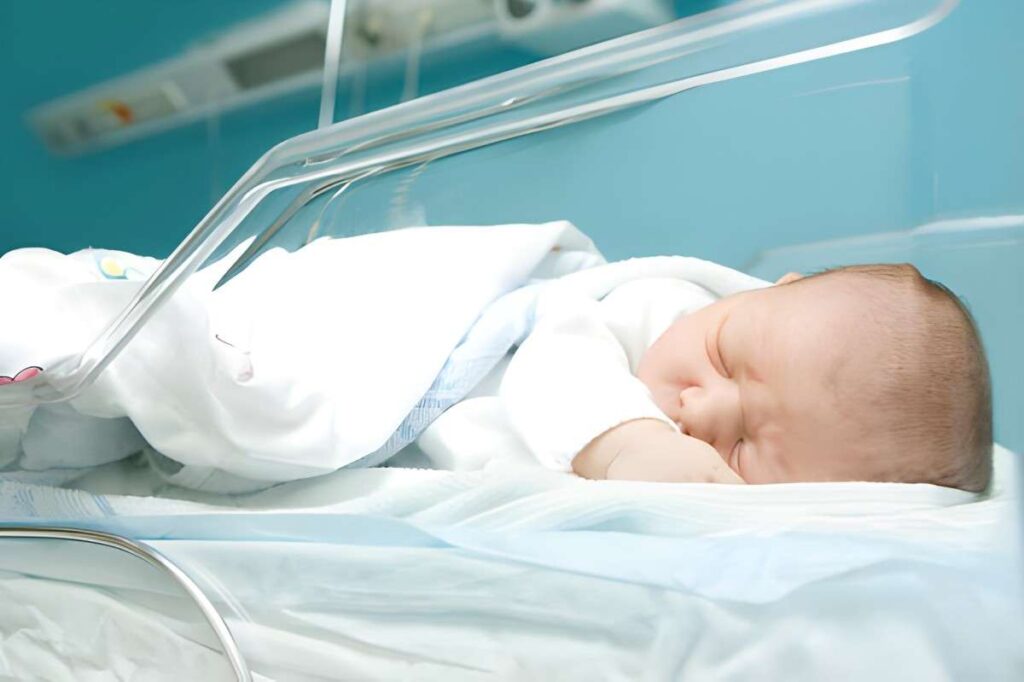
The transition from the sterile environment of the womb to the microbe-rich world represents the most significant challenge a human being ever faces. At the moment of birth, the newborn infant leaves a highly regulated ecosystem and enters a landscape filled with bacteria, viruses, and fungi. To survive this transition, the child relies on a sophisticated biological handover.
Specialists view the newborn immune system not as "weak," but as "inexperienced." The system prioritizes tolerance over aggression. This prevents the infant from launching a massive inflammatory response against the helpful bacteria that colonize the gut and skin immediately after birth. This period of "immune education" requires careful management through environmental exposure and clinical intervention.
Innate vs. Adaptive Systems
The human defense network functions through two distinct yet overlapping systems. A newborn arrives with a fully functional innate system but an underdeveloped adaptive system.
This provides immediate, non-specific protection. It includes physical barriers like the skin and mucous membranes, as well as cells like neutrophils that attack any foreign invader instantly.
This system "remembers" specific pathogens. It creates B-cells and T-cells tailored to fight specific viruses. Newborns lack this memory because they have not yet encountered most pathogens.
The primary goal of early childhood medicine involves building the adaptive memory before the child encounters dangerous, wild-type infections. Vaccines serve as the primary instructors for this adaptive learning process.
Maternal Antibody Transfer
Nature provides a temporary safety net known as passive immunity. During the third trimester, the placenta actively pumps Immunoglobulin G (IgG) from the mother’s bloodstream into the fetus. This transfer provides the infant with a "starter kit" of antibodies that match the mother's own immune history.
Breastfeeding extends this protection. Colostrum, the thick yellow "first milk," contains high concentrations of Immunoglobulin A (IgA). This antibody coats the infant's intestinal lining, preventing pathogens from attaching to the gut wall. While breastfeeding offers critical support, it does not provide permanent adaptive immunity against diseases like Polio or Measles, which requires active vaccination.
The Logic of Neonatal Vaccines
Vaccines work by mimicking an infection without causing the disease. They present the immune system with a harmless piece of a pathogen—such as a protein or a sugar—which the adaptive system then "studies."
The Training Session
When a newborn receives a vaccine, her T-cells and B-cells identify the antigen. They create "memory cells" that remain in the body for decades. If the child later encounters the actual virus, these memory cells recognize the intruder and launch a massive defense before the virus can replicate and cause illness.
The First Line of Defense Schedule
The U.S. Centers for Disease Control and Prevention (CDC) designs the vaccine schedule to cover the "vulnerability gap." Each vaccine timing reflects the point where maternal protection fades and the risk of severe disease peaks.
Administered within the first 24 hours. Hepatitis B can be transmitted from mother to child during birth, even if the mother's tests were negative. Early vaccination prevents chronic liver disease and is 90% effective in preventing transmission.
This oral vaccine protects against severe diarrheal disease. Infants are particularly susceptible to dehydration from Rotavirus, making early protection critical for survival in the first year.
Protects against Diphtheria, Tetanus, and Pertussis (Whooping Cough). Pertussis is life-threatening for newborns, often causing them to stop breathing. This vaccine is the primary tool for reducing infant mortality from respiratory distress.
Socioeconomic Barriers to Access
In the United States, immune health is often tied to socioeconomic status. While the science of vaccines remains constant, access to them varies significantly. Families in lower-income brackets or rural areas often face "medical deserts" where pediatric care is scarce.
Programs like "Vaccines for Children" (VFC) aim to bridge this gap by providing no-cost immunizations. However, logistical hurdles—such as the inability to take time off work, lack of reliable transportation, or language barriers in clinical settings—continue to impact "herd immunity" in vulnerable communities. Ensuring every newborn has access to the full schedule is a cornerstone of public health equity.
Safety Profiles and Monitoring
Newborn vaccines undergo more rigorous testing than almost any other medical product. Before a vaccine enters the neonatal schedule, it must pass through multiple phases of clinical trials involving thousands of infants.
| Safety Mechanism | Function | Patient Impact |
|---|---|---|
| VAERS | National reporting system for post-vaccine events. | Identifies even the rarest side effects. |
| VSD | Linked database of medical records across the U.S. | Monitors long-term health outcomes in vaccinated children. |
| Clinical Trials | Gold-standard testing prior to FDA approval. | Ensures efficacy and calculates precise dosing. |
Common side effects, such as a mild fever or redness at the injection site, indicate that the vaccine is working. These symptoms signal that the immune system is actively building its "memory." Severe reactions are statistically extremely rare, occurring in less than one in a million doses for most vaccines.
Securing Lifelong Health
The choices made in the first hours and weeks of a newborn’s life create the blueprint for her lifelong health. By respecting the biological process of immune maturation and supporting it with evidence-based vaccination, parents and specialists work together to build a formidable internal shield.
As we move further into the 21st century, new technologies like mRNA and monoclonal antibodies promise to further refine our ability to protect the most vulnerable. However, the core principle remains the same: the infant immune system is a sophisticated, learning machine that thrives when given the right instructions and the right protection at the right time.
Navigating neonatal health requires a blend of parental intuition and clinical expertise. By understanding the science of defense, we empower the next generation to grow, explore, and thrive in a world that is as beautiful as it is biologically complex.