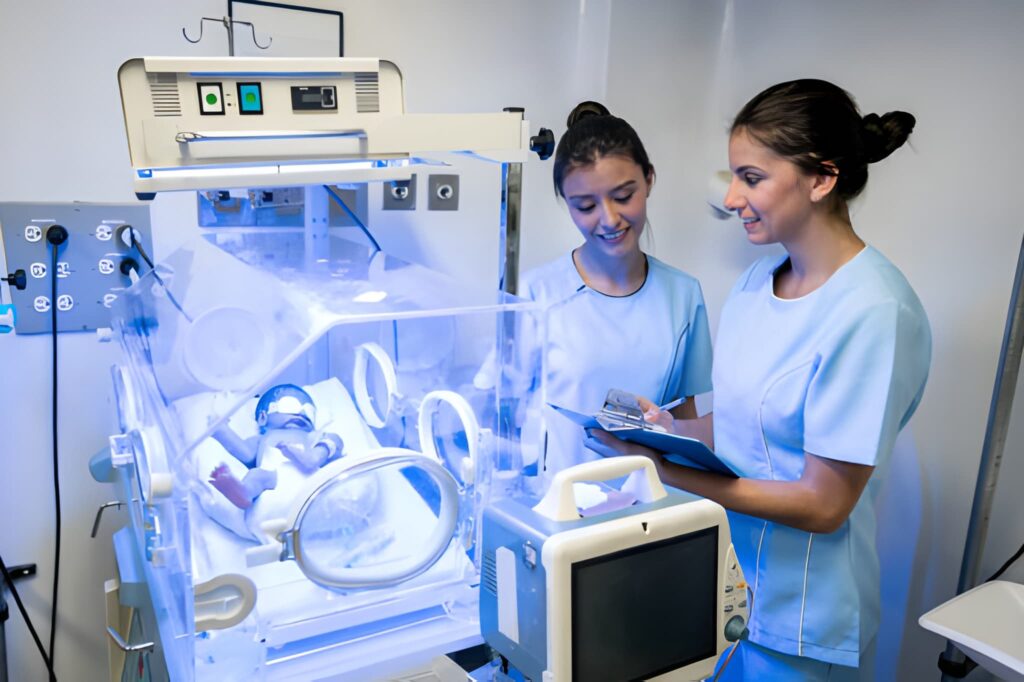
Clinical Excellence in Neonatal Nursing: Facilitating the Transition to Life
The First Sixty Seconds: Immediate Nursing Assessments
The nurse serves as the primary clinical observer during the first minutes of a newborn’s life. The transition from the aquatic environment of the womb to the air-breathing world requires rapid physiological shifts. The clinician begins by executing the Apgar score at one and five minutes post-delivery. This tool assesses heart rate, respiratory effort, muscle tone, reflex irritability, and color. A score between seven and ten indicates a smooth transition, while lower scores signal the need for resuscitative measures.
Beyond the Apgar score, the nurse performs a head-to-toe physical inspection. They check for obvious congenital anomalies, assess the number of vessels in the umbilical cord (typically two arteries and one vein), and evaluate the infant’s patency of the anus and nares. Every observation enters a formal clinical record, establishing the baseline for all future care during the hospital stay.
Thermoregulation: Protecting the Thermal Environment
Newborns possess a limited ability to regulate their body temperature. They face high risks of cold stress, a condition where the body consumes oxygen and glucose rapidly to generate heat. Unlike adults, infants do not shiver; they rely on non-shivering thermogenesis through the metabolism of brown adipose tissue. The nurse manages the environment to prevent heat loss through four primary mechanisms.
Security Protocols and Identification
Infant security remains a non-negotiable priority in neonatal nursing. Before the infant leaves the delivery room, the nurse applies matching identification bands to the mother, the infant, and often a second support person. These bands contain identical alphanumeric codes that the clinician verifies before every interaction, feeding, or procedure.
The nurse also footprints the infant and records the mother’s thumbprints. This biometric data provides a permanent record of identity. Clinicians educate parents to only release the infant to staff members wearing specific, color-coded hospital identification badges. This layer of vigilance prevents abduction and ensures the infant remains with the correct family unit at all times.
Mandatory Medication Prophylaxis
Standard neonatal care involves the administration of several prophylactic medications within the first hours of life. The nurse facilitates these interventions to prevent severe, albeit rare, complications that can arise in the first weeks of development.
| Medication | Clinical Purpose | Administration Route |
|---|---|---|
| Erythromycin Ointment | Prevents Ophthalmia Neonatorum (Gonorrhea/Chlamydia) | Ophthalmic (Both eyes) |
| Vitamin K (Phytonadione) | Prevents Vitamin K Deficiency Bleeding (VKDB) | Intramuscular (Vastus Lateralis) |
| Hepatitis B Vaccine | Initiates lifelong immunity against Hep B virus | Intramuscular (Opposite leg) |
Erythromycin prevents blindness caused by bacterial exposure during birth. Vitamin K is essential because newborns arrive with sterile guts and low clotting factor levels. Since the infant cannot produce their own Vitamin K until intestinal flora develops, the nurse administers this injection to prevent spontaneous internal hemorrhage.
Nutritional Support and Monitoring
Whether a mother chooses breastfeeding or formula, the nurse provides expert lactation support and monitors intake. In the first 24 hours, an infant’s stomach is approximately the size of a large marble, holding only 5 to 7 milliliters. The nurse assesses the infant for feeding cues, such as rooting, sucking on hands, or rapid eye movement under the lids. Crying is a late sign of hunger.
The nurse tracks "Wet and Dirty" diapers as the primary indicator of adequate hydration and nutrition. The expected output follows a predictable daily progression:
- Day 1: 1 wet diaper, 1 meconium stool (thick, black, tarry).
- Day 3: 3 wet diapers, transitional stools (greenish-brown).
- Day 6+: 6 to 8 wet diapers, yellow seedy stools (breastfed) or pale yellow (formula).
Logic: An infant should produce at least one wet diaper for every day of life until the milk supply establishes on day five or six.
Umbilical Cord and Skin Integrity
The umbilical cord stump serves as a potential portal for infection. Current clinical standards favor dry cord care. The nurse keeps the area clean and dry, folding the diaper below the stump to allow for air exposure. They inspect the site for signs of omphalitis, including redness (erythema), edema, or foul-smelling drainage.
The nurse also monitors the infant for hyperbilirubinemia (jaundice). They assess the skin color in natural light, looking for a yellow tint that usually starts at the head and moves downward to the chest and limbs. If jaundice appears within the first 24 hours, the nurse alerts the pediatrician immediately, as this often indicates pathological hemolysis rather than physiological adjustment.
Metabolic and Hearing Screenings
Before discharge, the nurse coordinates several essential screenings. The Newborn Screening (NBS), or heel stick, collects blood spots on a special filter paper. This screen detects over 50 metabolic, endocrine, and genetic disorders, such as Phenylketonuria (PKU), Galactosemia, and Cystic Fibrosis. Early identification allows for dietary changes or medical treatments that prevent permanent cognitive impairment.
The nurse also facilitates the Universal Newborn Hearing Screening. Using either Otoacoustic Emissions (OAE) or Automated Auditory Brainstem Response (AABR), the clinician checks for congenital hearing loss. Finally, a pulse oximetry screen on the right hand and either foot checks for Critical Congenital Heart Disease (CCHD) by measuring oxygen saturation differentials.
Discharge Education for Families
In , the emphasis on safe sleep and environmental safety has never been higher. The nurse conducts a "Car Seat Challenge" for premature infants and verifies that every family possesses a rear-facing seat. They educate parents on the ABC's of Safe Sleep: Alone, on their Back, in a clear Crib.
Key Education Topics:
- Safe Sleep: No blankets, pillows, or bumper pads. The mattress should be firm.
- Infection Control: Proper handwashing and avoiding crowded areas during the first six weeks.
- Follow-up: Scheduling the first pediatric appointment within 48 to 72 hours of discharge.
- Signs to Call the Doctor: Fever above 100.4°F, persistent vomiting, or refusal of two consecutive feedings.