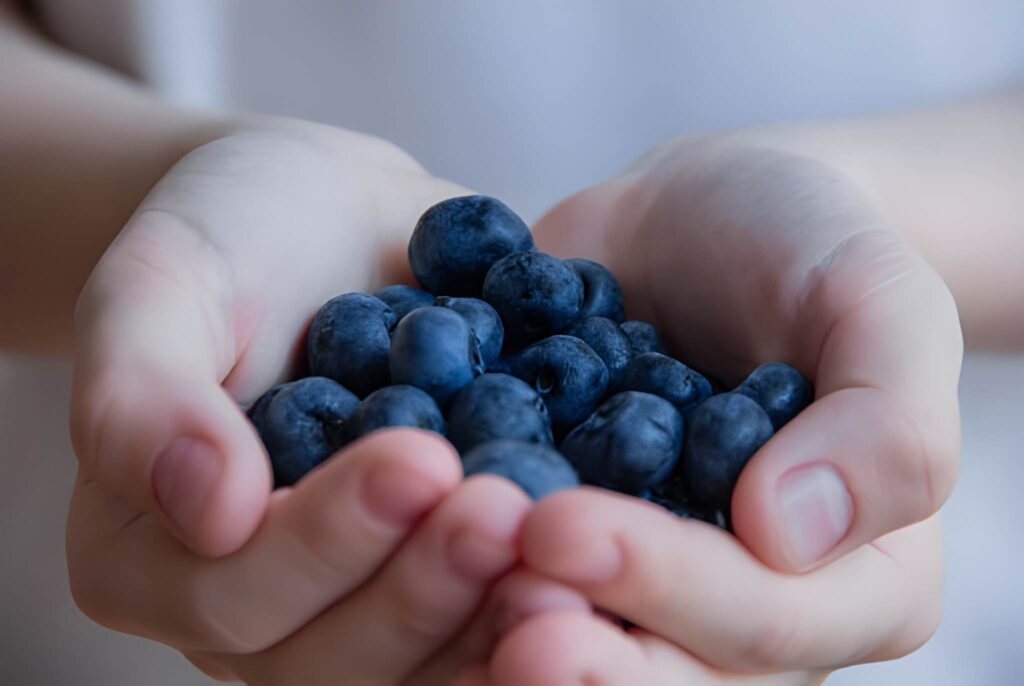
The Blue Superfood: Navigating Blueberry Consumption While Breastfeeding
An Expert Exploration of Acidity, Anthocyanins, and Infant Digestive Responses in
The Acidity Myth: Stomach vs. Milk pH
Many nursing mothers express concern regarding the acidic nature of fruits like blueberries. On the pH scale, blueberries fall between 3.1 and 3.3. While this qualifies them as acidic in their raw state, the human body manages these acids through complex metabolic processes. Once ingested, the stomach’s hydrochloric acid overwhelms the fruit’s natural acidity. As the fruit moves into the small intestine, the pancreas releases bicarbonate to neutralize the mixture. Consequently, the acid from blueberries does not circulate in the bloodstream or transfer directly into breast milk.
Breast milk maintains a remarkably stable pH level, typically ranging from 7.0 to 7.4. This consistency protects the infant's delicate digestive tract and ensures optimal enzyme function. A mother’s diet influences the nutrient composition of her milk but rarely alters its acid-base balance. Therefore, consuming blueberries carries no risk of acidifying the milk or causing acid-related discomfort for the baby. The perception that acidic foods cause "gassy" or "fussy" babies often stems from anecdotal observation rather than clinical evidence.
Nutritional Profile: Beyond Vitamin C
Blueberries offer a dense array of micronutrients essential for postpartum recovery and infant development. While many associate citrus with Vitamin C, one cup of blueberries provides significant portions of the daily requirement for nursing mothers. Vitamin C supports tissue repair and enhances iron absorption, which remains a priority for mothers recovering from childbirth or managing postpartum anemia.
Furthermore, blueberries contain Vitamin K and Manganese. Vitamin K plays a role in blood clotting and bone health, while manganese contributes to metabolic function and bone formation. For the breastfeeding mother, these nutrients provide the stamina required for the physical demands of lactation. The fiber content in whole blueberries also aids in maternal digestive regularity, preventing common postpartum constipation without the need for pharmacological intervention.
Anthocyanins: The Pigment of Health
The deep blue hue of the berry comes from anthocyanins, a class of flavonoids with profound antioxidant properties. Clinical studies suggest that these compounds cross the blood-milk barrier in small, safe quantities. These antioxidants help protect both the mother and the infant from oxidative stress. For the infant, early exposure to diverse phytonutrients through breast milk may support the development of a robust immune system.
Anthocyanins also exhibit anti-inflammatory properties. Postpartum inflammation, whether from surgical recovery or the systemic stress of sleep deprivation, responds well to a diet rich in these flavonoids. By choosing blueberries, a mother incorporates a natural anti-inflammatory tool that supports her long-term wellness without introducing the risks associated with certain over-the-counter medications during lactation.
Infant Digestive Responses and Stool Changes
While the acid does not transfer, other components of blueberries can influence the infant. High consumption of berries by the mother may lead to subtle changes in the infant’s bowel movements. Some infants exhibit more frequent stools due to the mild laxative effect of the fruit’s fiber metabolites. This typically represents a normal variation in digestion rather than a cause for concern.
Specialists monitor for rare sensitivities. While blueberries do not rank among the high-allergy foods like milk, eggs, or peanuts, a small percentage of infants might experience a reaction to the salicylates naturally present in berries. Signs of sensitivity include an unexplained rash or persistent inconsolable crying following the mother's consumption of large quantities. If these signs appear, reducing intake usually resolves the issue within forty-eight hours.
Socioeconomic Context: Organic vs. Conventional
In the United States, blueberries frequently appear on the "Dirty Dozen" list published by environmental advocacy groups. This list identifies produce with the highest pesticide residues. For many American families, the cost of organic berries acts as a barrier to healthy eating. As a specialist, I emphasize that the benefits of consuming conventional blueberries far outweigh the risks of avoiding fruit altogether due to budget constraints.
| Option | Pesticide Risk | Nutrient Density | Accessibility |
|---|---|---|---|
| Organic Fresh | Lowest | Excellent | High Cost / Seasonal |
| Conventional Fresh | Higher | Excellent | Moderate Cost / Wide |
| Frozen (Any) | Variable | Superior (Flash Frozen) | Low Cost / Year-round |
Frozen blueberries offer a significant socioeconomic advantage. Manufacturers flash-freeze these berries at peak ripeness, often preserving more antioxidants than fresh berries that travel long distances to reach the supermarket. For mothers on WIC (Women, Infants, and Children) or SNAP programs, frozen blueberries provide a cost-effective way to maintain high-quality nutrition throughout the winter months. Washing conventional fresh berries under cold running water for thirty seconds removes a significant portion of surface residues, making them a safe choice for most nursing dyads.
Consumption Calculations: Serving Sizes
A balanced approach to blueberry consumption prevents digestive upset for the mother and potential sensitivity for the infant. We recommend one to two servings per day. One serving equals one cup of fresh or frozen berries or half a cup of dried berries.
Daily Antioxidant Math
1 Cup of Blueberries = ~9,000 ORAC units (Oxygen Radical Absorbance Capacity).
Nursing mothers benefit from approximately 10,000 to 12,000 units daily to combat the physiological stress of lactation. One large serving nearly fulfills this entire requirement.
Frequently Asked Questions
The following section addresses the most common inquiries I receive in the clinical setting regarding berries and nursing.
Blueberries themselves do not contain the complex sugars (like those in beans or broccoli) that typically cause gas. However, if a mother consumes an excessive amount of fiber suddenly, her own digestive changes might subtly influence the baby. Stick to moderate portions to maintain stability.
While blueberries are not a direct galactagogue, they support the mother's overall health. A well-nourished mother with stable energy levels and low systemic inflammation produces milk more consistently than one who is nutrient-depleted. They are a "supportive" food rather than a "booster" food.
Wild blueberries are smaller and contain less water, which results in a higher concentration of anthocyanins per gram. If they are available and within your budget, they offer a slightly higher antioxidant punch, but cultivated berries are perfectly adequate for nutritional needs.
Blueberry muffins often contain high levels of refined flour and processed sugar, which can trigger blood sugar spikes. Additionally, the high heat of baking can degrade some of the heat-sensitive Vitamin C. While they are a fine occasional treat, whole berries provide far superior benefits.
Concluding Perspective
Blueberries remain one of the safest and most beneficial fruits for the breastfeeding journey. Their acidic nature in the bowl does not translate to acidity in the breast milk, and their rich antioxidant profile provides essential support for both maternal recovery and infant health. By choosing a mix of fresh and frozen options, mothers can ensure a consistent intake of phytonutrients regardless of the season or their budget. As with any dietary component, moderation ensures that the benefits remain profound while minimizing the risk of digestive sensitivity. Trust the biological stability of your milk and enjoy the vibrant nutrition these berries provide.