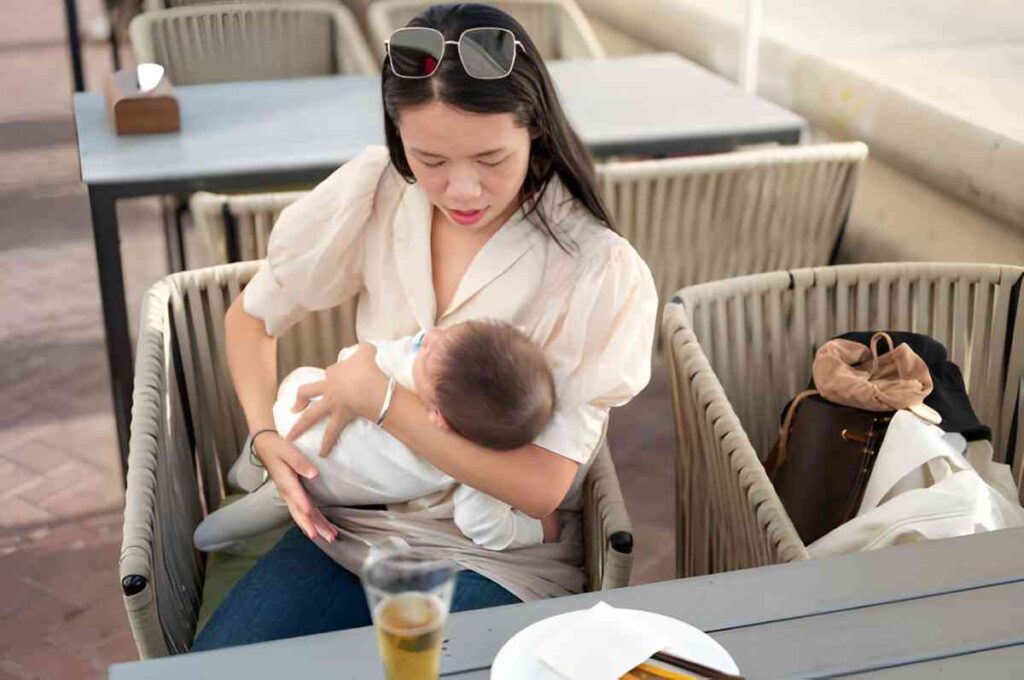
Nursing Mothers and the Law of Fasting: A Catholic Perspective
Understanding Exemptions, Medical Necessity, and Spiritual Obligations
For Catholic mothers, the liturgical seasons of Lent and Advent often bring a desire for deep spiritual reflection and physical penance. However, when these seasons coincide with the breastfeeding journey, a significant question arises: how does one balance religious obligations with the biological demands of nurturing an infant? The short answer is that the Catholic Church historically and legally recognizes the unique physical burdens of motherhood and provides clear exemptions for those who are nursing.
As a specialist in maternal and child health, I often work with families who feel a sense of guilt when they cannot participate in traditional fasting. It is vital to understand that the Church views the act of breastfeeding not just as a choice, but as a primary "duty of state" that takes precedence over ritual fasting laws. This guide explores the intersection of faith and physiology to ensure you remain spiritually connected without compromising your health or your baby's nutrition.
The Official Stance: Canon Law and Exemptions
The Code of Canon Law governs the practices of the universal Church. Regarding fasting and abstinence, the laws are found in Canons 1249 through 1253. While the laws of fast and abstinence are binding for specific age groups, the Church has always maintained a category of "excused" individuals.
This exemption is not a "permission" you must seek from a priest, though discussing it with a confessor can provide peace of mind. Rather, the exemption is inherent in the law itself. If fasting would jeopardize your health or the health of your child (including the maintenance of your milk supply), you are legally and morally exempt from the obligation.
The Biological Cost of Breastfeeding
To understand why the Church grants this exemption, we must look at the metabolic reality of lactation. Producing breast milk is one of the most energy-intensive processes the human body undergoes. It is often more physically demanding than pregnancy itself.
Caloric Requirements
An average breastfeeding mother requires an additional 450 to 500 calories per day to maintain her own health while producing enough milk for her infant. Fasting directly conflicts with this metabolic requirement.
Hydration Demands
Milk is approximately 88% water. Traditional fasts that limit fluid intake or drastically alter eating patterns can lead to rapid dehydration, which is the leading cause of a sudden drop in milk supply.
Nutrient Density
If a mother’s intake is insufficient, her body will prioritize the milk, stripping her own bones and tissues of nutrients like calcium and vitamins to ensure the baby remains nourished.
The Principle of "Moral Impossibility"
In Catholic moral theology, there is a concept known as "moral impossibility." This occurs when a law technically applies, but following it would cause a grave hardship or prevent the fulfillment of a higher duty. For a nursing mother, her higher duty—her vocation in that moment—is the care and feeding of her child.
If a mother attempts to fast and consequently experiences a dip in supply, she may be forced to supplement with formula or deal with a dehydrated infant. In the eyes of the Church, putting a child at risk or causing significant maternal distress is a violation of the "duty of state." Therefore, eating to sustain life and milk production is seen as an act of virtue and a fulfillment of your primary vocation as a mother.
Abstinence vs. Fasting: What Applies?
It is important to distinguish between the Law of Fasting (limiting food intake on Ash Wednesday and Good Friday) and the Law of Abstinence (refraining from meat on Fridays during Lent).
| Type of Penance | Standard Requirement | Application for Nursing Mothers |
|---|---|---|
| Fasting | One full meal; two smaller meals. | Exempt. Mothers should eat as needed to maintain milk supply and energy. |
| Abstinence | No meat (poultry, beef, pork). | Generally Exempt. If meat is a necessary protein source for the mother's health, she is exempt. |
| Eucharistic Fast | One hour before Communion. | Flexible. Those who are ill or nursing can shorten this or skip it if needed for health. |
Spiritual Alternatives for Nursing Mothers
Just because you are exempt from the physical fast does not mean you are excluded from the spiritual season. In fact, the "fast" of a mother often looks different but is no less sacrificial. Motherhood itself is a constant fast—a fasting from sleep, from personal time, and from bodily autonomy.
Meaningful Substitutes for Food Fasting
- Digital Fasting: Limit social media or mindless scrolling during nursing sessions and use that time for mental prayer or listening to a spiritual podcast.
- Acts of Charity: Offer up the difficult nights or the exhaustion of a growth spurt as a living sacrifice for a specific intention.
- Spiritual Reading: Keep a book of the Saints or a Bible near your nursing chair. Reading a few verses while the baby feeds can be a powerful spiritual anchor.
- Almsgiving: If you are able, donate the money you would have saved on food to a local crisis pregnancy center or a charity that supports maternal health.
Health Signs and Infant Safety
If you decide to try a very mild form of dietary restriction, you must be extremely vigilant. As a specialist, I generally advise against any restriction in the first six months of the baby's life, as this is when the milk supply is most sensitive to maternal intake.
- Reduced number of wet diapers (fewer than 6 in 24 hours).
- Darker, concentrated infant urine.
- Maternal dizziness, headaches, or extreme lethargy.
- Infant fussiness or "hanging on the breast" without satisfaction.
- A noticeable drop in the volume of milk expressed during pumping.
Commonly Asked Questions
A Final Word of Encouragement
Motherhood is a profound spiritual discipline. The sleepless nights, the physical toll of nursing, and the constant self-giving required to raise a child are, in themselves, a form of penance that is highly pleasing to God. When the Church exempts you from fasting, she is not saying your spiritual life is less important; she is saying that your current sacrifice is already sufficient.
Eat to nourish yourself, hydrate to nourish your child, and let your "fast" be the patient endurance of the challenges of the postpartum year. By honoring your body’s needs, you are honoring the life God has entrusted to you.