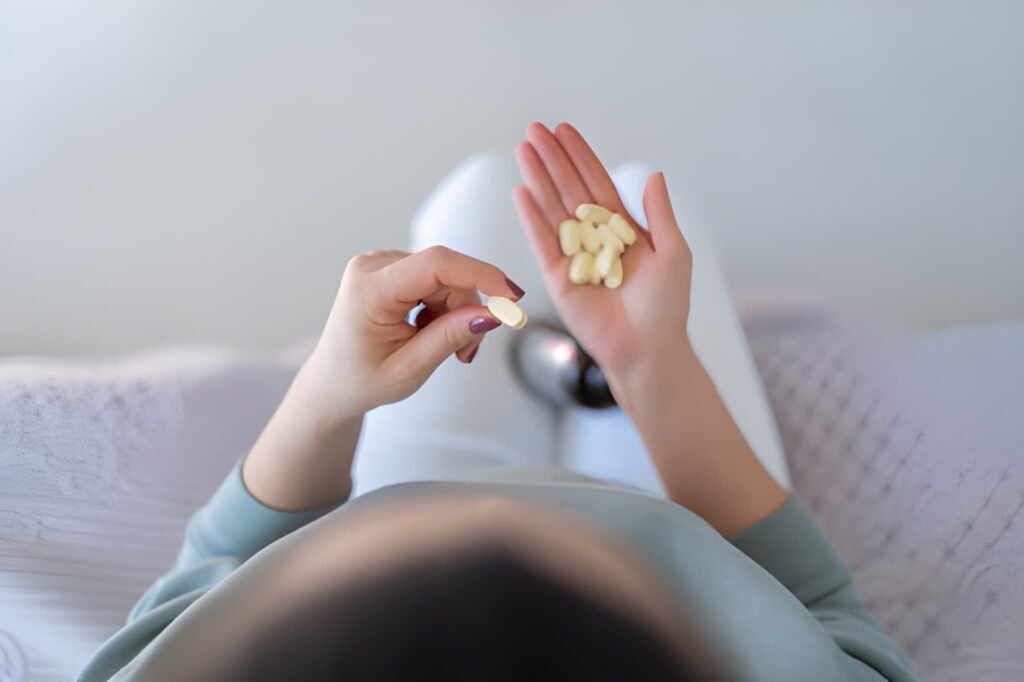
Navigating the Safety of Breastfeeding Supplements: An Evidence-Based Approach
The transition into motherhood often brings an overwhelming desire to optimize infant nutrition. For many, this leads to the consideration of breastfeeding supplements, ranging from lactation cookies and herbal galactagogues to high-dose vitamins. While the intention is always positive, the biological complexity of lactation means that what a mother consumes can directly impact her infant’s health and her own physiological recovery.
In the United States, dietary supplements are not regulated with the same rigor as pharmaceuticals by the FDA. This creates a landscape where safety profiles are not always clearly defined. As a mother and child specialist, I emphasize that "natural" does not always mean "safe." Understanding the interactions, dosages, and evidence behind these products is essential for every nursing parent.
Herbal Galactagogues: Boosting Milk Supply Safely
A galactagogue is a substance used to induce, maintain, or increase milk production. Many mothers turn to herbs like Fenugreek, Blessed Thistle, and Moringa when they perceive a low milk supply. While these have been used for centuries, scientific consensus on their safety and efficacy varies widely.
The most popular supplement. It contains phytoestrogens that may boost supply. However, it can cause maple syrup-scented sweat and potential GI distress in both mother and baby.
Often considered safer and more nutrient-dense. It is rich in iron and Vitamin C. Studies generally show a positive increase in milk volume with fewer reported side effects.
Before starting any herbal regimen, it is vital to determine if the low supply is "perceived" or "actual." Often, professional support from an IBCLC (International Board Certified Lactation Consultant) can resolve supply issues through mechanical means, such as improving the latch or increasing pumping frequency, without the need for supplements.
Essential Vitamins and Micronutrients
Unlike herbal boosters, certain vitamins are universally recommended during the postpartum period. These supplements aren't just for the baby; they prevent maternal depletion. During lactation, the body prioritizes the infant, meaning if your diet is lacking, your body will pull nutrients from your own bones and tissues to enrich the milk.
| Nutrient | Safety Level | Standard Dose | Clinical Purpose |
|---|---|---|---|
| Vitamin D | High | 6,400 IU (if not supplementing baby) | Bone health and immune support for both. |
| Omega-3 (DHA) | High | 200-300 mg | Infant brain and eye development. |
| Iron | Moderate | Varies by bloodwork | Recovery from blood loss during birth. |
| Iodine | High | 290 mcg | Thyroid regulation and infant growth. |
Safety Red Flags: When to Avoid a Supplement
Safety concerns often arise from contaminants, incorrect labeling, or hidden ingredients. Because lactation involves the transfer of small molecules from the blood into the milk ducts, certain substances can cause agitation, lethargy, or allergic reactions in the infant.
Critical Warnings for Nursing Mothers
- Sage and Peppermint: While culinary amounts are fine, concentrated oil or tea forms can actually decrease milk supply.
- St. John’s Wort: Used for mood, but can cause colic or drowsiness in nursing infants.
- High-Dose Caffeine: Found in "energy-boosting" supplements; can lead to infant irritability and poor sleep patterns.
The Regulation Gap and Third-Party Testing
Since the FDA does not approve supplements for safety or effectiveness before they are marketed, consumers must look for third-party verification. This ensures the product contains what it claims on the label and is free from heavy metals or pesticides.
Look for these seals on the packaging:
- USP (U.S. Pharmacopeia)
- NSF International
- ConsumerLab.com
Understanding Dosage and Concentration
Dosage is critical. For example, Vitamin D is essential, but toxicity can occur at extremely high levels. Below is a safety comparison for common postnatal needs.
The standard infant dose is 400 IU given directly to the baby. However, if the mother prefers to supplement herself to enrich her milk, studies show she must take a significantly higher dose to achieve the same result in the infant.
Calculation: 400 IU (Infant) vs. 6,400 IU (Maternal supplement for milk enrichment).
Frequently Asked Questions
Generally, no. Most weight loss supplements contain stimulants (like high caffeine or synephrine) or diuretics that can dehydrate you and reduce milk supply. Rapid weight loss can also release toxins stored in fat cells into your bloodstream and milk. Focus on nutrient-dense whole foods instead.
Yes, they are usually safe as they contain food-grade ingredients like oats, brewer's yeast, and flaxseed. However, be mindful of the high sugar content, which can lead to energy crashes and unnecessary weight gain.
Probiotics are generally safe and can be beneficial. Some research suggests that specific strains, like Lactobacillus salivarius or L. fermentum, may help prevent or treat mastitis by balancing the bacterial flora in the milk ducts.
Final Checklist for Choosing a Supplement
Before purchasing any supplement, go through this four-step verification process:
- Consult: Speak with your OBGYN or a certified lactation consultant.
- Verify: Check for a third-party testing seal (USP or NSF).
- Analyze: Read the full ingredient list for fillers or stimulants.
- Monitor: Watch your baby for changes in behavior or digestion over the first 72 hours.
Supplements can be a valuable tool in your postpartum toolkit, but they should never replace a varied diet and professional medical advice. By prioritizing safety and evidence-based products, you protect both your recovery and your infant's development.