The Yellow Glow: Navigating Neonatal Jaundice Types
A Clinical Review for Families and Caregivers in
Physiologic Jaundice: The Normal Biological Baseline
Most newborns develop a slight yellow tint to their skin and the whites of their eyes during the first week of life. As a specialist, I classify this as physiologic jaundice. It represents a normal transitional stage rather than a disease. In the womb, the placenta removes bilirubin from the baby’s blood. After birth, the infant’s liver must take over this responsibility. However, a newborn’s liver remains immature and often lacks the speed to process bilirubin as quickly as it produces it.
Physiologic jaundice typically appears on the second or third day of life. It peaks between days three and five and then begins to fade. It occurs because newborns possess a higher volume of red blood cells than adults, and these cells have a shorter lifespan. When red blood cells break down, they release bilirubin, a yellow pigment. Because the clearance rate is slow, the pigment builds up in the skin. For healthy, term infants, this process resolves without intervention as the liver matures.
Breastfeeding Jaundice: The Intake Factor
Parents often confuse the terms, but breastfeeding jaundice differs significantly from physiologic jaundice. I often refer to this as "lack of breastfeeding jaundice" or "suboptimal intake jaundice." It typically manifests within the first few days of life, often appearing earlier than the physiologic type. This condition stems from the baby not receiving enough milk to initiate frequent bowel movements.
Bilirubin leaves the body through stool. If a newborn receives insufficient milk, their digestive tract slows down. This delay allows the intestines to reabsorb bilirubin back into the bloodstream instead of excreting it. This cycle increases the total bilirubin load. We often see this in cases where the mother’s milk supply takes longer to transition from colostrum to mature milk, or when the infant struggles with an ineffective latch.
Inadequate caloric intake and dehydration. This leads to reduced stooling and higher enterohepatic circulation of bilirubin.
Early onset, usually within the first 2 to 4 days of life. Often coincides with the period before the mature milk supply arrives.
Increasing the frequency of feeds and improving the latch typically resolves this issue without further medical treatment.
Breast Milk Jaundice: Understanding Milk Composition
While breastfeeding jaundice relates to quantity, breast milk jaundice relates to the composition of the milk itself. This is a far less common condition, affecting only about 3 percent of infants. It presents as a persistent jaundice that lasts well beyond the first week of life, sometimes continuing for several months. These infants are otherwise healthy, gaining weight appropriately, and stooling regularly.
Scientists believe certain substances in breast milk—such as the enzyme beta-glucuronidase or specific fatty acids—interfere with the liver’s ability to process bilirubin. These substances may inhibit the enzymes that conjugate bilirubin (making it water-soluble for excretion). Although the jaundice persists, it rarely reaches dangerous levels. As long as the baby thrives and bilirubin levels stay below the safety threshold, we encourage mothers to continue breastfeeding exclusively.
| Feature | Breastfeeding Jaundice | Breast Milk Jaundice |
|---|---|---|
| Onset Time | Days 2–4 | Days 7–14 |
| Cause | Insufficient milk intake | Components in mature milk |
| Infant Weight | May show excessive loss | Gaining weight normally |
| Stooling | Infrequent | Normal frequency |
| Recommendation | Increase feeds/support latch | Continue nursing; monitor levels |
The Science of Bilirubin: Production and Clearance
To manage jaundice effectively, we must understand the Enterohepatic Circulation. When the body breaks down hemoglobin, it creates unconjugated bilirubin. This form is fat-soluble and can cross the blood-brain barrier if levels become extreme. The liver’s job is to "conjugate" this bilirubin, making it water-soluble so the body can flush it out through the bile into the intestines.
In the intestines, bacteria further break down bilirubin. However, newborns have sterile guts with very few bacteria. This environment allows the enzyme beta-glucuronidase to de-conjugate the bilirubin, turning it back into the fat-soluble form that the gut reabsorbs. Frequent feeding stimulates the "gastrocolic reflex," forcing the baby to stool more often and reducing the time bilirubin spends in the gut. This is why hydration and caloric intake remain our primary tools in jaundice management.
Identifying Jaundice: Kramer’s Rule and Clinical Signs
Jaundice follows a cephalocaudal progression. This means it starts at the head and moves down toward the toes as levels increase. We use Kramer’s Rule to estimate the severity based on the skin’s appearance. To check for jaundice, press your finger gently on the baby’s forehead or nose. If the skin looks yellow where you pressed, jaundice is present.
| Zone | Area of Body | Estimated Bilirubin (mg/dL) |
|---|---|---|
| Zone 1 | Head and Neck | 4–6 mg/dL |
| Zone 2 | Upper Trunk (to umbilicus) | 6–8 mg/dL |
| Zone 3 | Lower Trunk and Thighs | 8–12 mg/dL |
| Zone 4 | Arms and Lower Legs | 12–14 mg/dL |
| Zone 5 | Palms and Soles | >15 mg/dL |
Note: Visual estimation is notoriously unreliable in infants with darker skin tones or under artificial lighting. Always rely on blood or skin sensor tests (TcB).
Management Strategies: Latch, Frequency, and Light
If your baby exhibits breastfeeding jaundice, our primary goal involves optimizing the transfer of milk. I recommend nursing at least 8 to 12 times in a 24-hour period. We do not recommend supplementing with plain water or glucose water, as these do not contain the protein and fat needed to move stool through the system. If supplementation is medically necessary, expressed breast milk or donor milk remains the first choice.
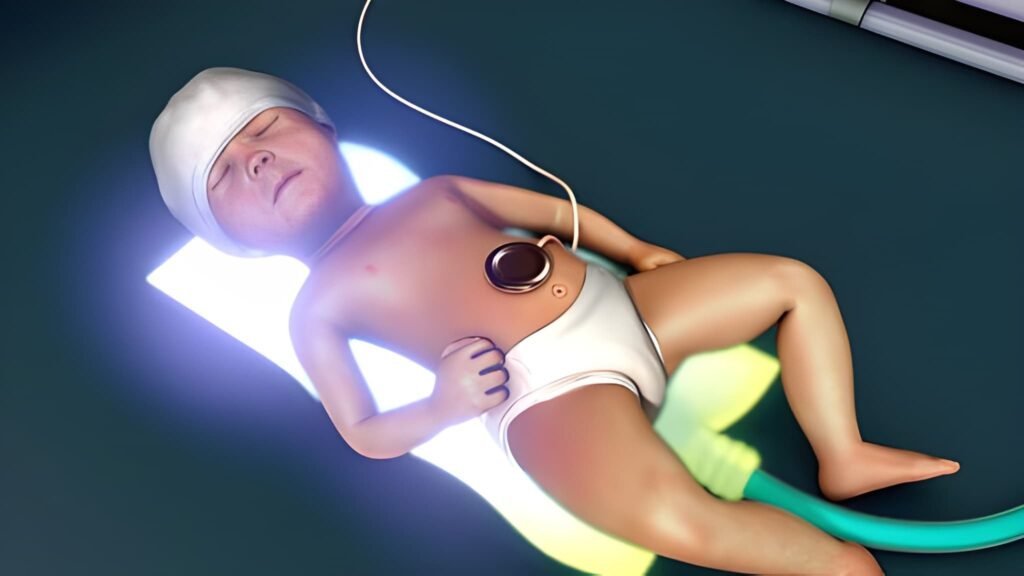
For higher levels of jaundice, we utilize phototherapy. This involves exposing the baby’s skin to specific blue-green light waves. These waves change the structure of the bilirubin molecules through a process called photo-oxidation. This converts the bilirubin into a form that the baby can excrete in urine without liver processing. In the US, many hospitals provide "bili-blankets" that allow parents to hold and feed their babies while treatment continues.
Practical Steps for Parents:
- Monitor Diapers: Count wet and soiled diapers. By day four, expect at least 6 heavy wet diapers and 3–4 yellow, seedy stools.
- Skin-to-Skin: This encourages more frequent nursing sessions and helps regulate the baby's temperature and blood sugar.
- Sunlight Myth: Avoid placing newborns in direct sunlight. While it can lower bilirubin, it poses a risk of sunburn and temperature instability. Modern phototherapy is much safer and more efficient.
Red Flags: When Jaundice Becomes Pathologic
While physiologic and breastfeeding jaundice are common, pathologic jaundice requires immediate medical intervention. This type of jaundice often appears within the first 24 hours of life or involves bilirubin levels that rise too rapidly. It may indicate blood type incompatibilities (such as ABO or Rh mismatch), infections, or underlying metabolic disorders.
Modern pediatric protocols in the US ensure that every baby undergoes a bilirubin screening before discharge from the hospital. Following up with a pediatrician within 48 hours of discharge remains the standard of care to ensure that levels do not spike unexpectedly at home.
Socioeconomic Support and US Pediatric Protocols
In the United States, access to lactation support significantly impacts jaundice outcomes. Many insurance plans under the Affordable Care Act cover visits with an International Board Certified Lactation Consultant (IBCLC). Utilizing these resources early can prevent breastfeeding jaundice from escalating into a hospital readmission for phototherapy.
Furthermore, families should utilize the WIC (Women, Infants, and Children) programme if eligible. WIC provides nutritional support and breastfeeding peer counselors who help mothers manage early feeding challenges. By addressing the "intake" side of the equation, we reduce the medical costs and emotional stress associated with neonatal jaundice. Your pediatrician remains your primary partner in monitoring your son’s progress and ensuring his transition to mature milk is successful and safe.
As we move through , the medical community continues to refine the thresholds for treatment, making them safer and more personalized. Most babies with yellow skin thrive and see the color fade within two weeks. By staying informed and maintaining frequent feedings, you provide the best possible support for your baby’s developing liver.
Specialist Summary Checklist
- ✔️ Physiologic jaundice is normal and peaks around day 4.
- ✔️ Breastfeeding jaundice occurs when milk intake is too low.
- ✔️ Breast milk jaundice is rare, late-onset, and usually harmless.
- ✔️ Aim for 8–12 feedings per day to flush bilirubin through stools.
- ✔️ Follow up with your pediatrician within 2 days of hospital discharge.
- ✔️ Never use water or glucose water to "wash out" jaundice.