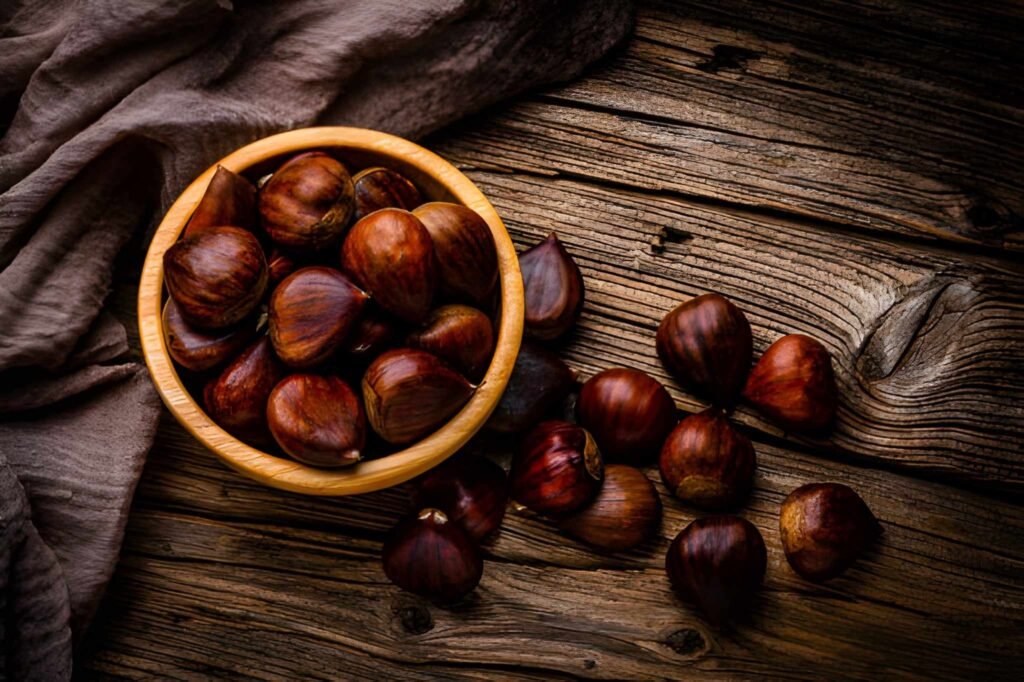
The Hidden Gem of the Nut World: Chestnuts and Lactation
A Clinical Specialist Guide to Starchy Nuts, Energy Recovery, and Infant Health.
The Unique Starchy Profile of Chestnuts
When a breastfeeding mother evaluates her diet, she often focuses on healthy fats and proteins. While these are essential, the chestnut offers a nutritional profile that deviates significantly from its tree-nut cousins like almonds or walnuts. In the world of clinical nutrition, we often describe chestnuts as more of a grain than a nut. This is because they are low in fat and high in complex carbohydrates, resembling the macronutrient makeup of brown rice or oats.
For the lactating woman, this starch-heavy composition provides a unique benefit. The body requires a steady stream of glucose to synthesize lactose—the primary sugar in breast milk. Unlike oily nuts that provide energy through fat oxidation, chestnuts provide energy through carbohydrate metabolism. This makes them a highly efficient fuel source for the mammary glands, especially during the high-demand periods of early infancy.
Maternal Energy: Fueling the Prolactin Surge
The act of nursing is physically demanding, often burning an additional 500 calories per day. This caloric "tax" can lead to significant maternal fatigue if not managed through nutrient-dense snacks. Chestnuts contain B-complex vitamins, including B6, riboflavin, and thiamine. These vitamins act as co-factors in energy production, helping the mother’s body convert the food she eats into useable energy for both herself and her milk production.
The complex carbohydrates in chestnuts provide a low-glycemic index energy source. This prevents the "sugar crashes" associated with processed snacks, which is particularly helpful for mothers managing the hormonal fluctuations of the postpartum period. Steady blood sugar levels contribute to more stable mood patterns and better cognitive focus—essential tools for navigating the sleep-deprived months of early parenthood.
Vitamin C: The Rare Antioxidant in Nuts
Most nuts are valued for their Vitamin E content, but chestnuts are the only tree nuts that contain significant amounts of Vitamin C. This is a game-changer for the breastfeeding mother. Vitamin C is a water-soluble antioxidant that passes directly into the breast milk. The maternal body prioritizes the infant's needs, meaning a mother must consume enough Vitamin C to maintain her own tissue repair while also providing for her child.
Vitamin C supports the absorption of non-heme iron from plant-based foods. Since many mothers struggle with postpartum anemia, pairing chestnuts with iron-rich foods like leafy greens or legumes creates a synergistic effect that helps replenish blood stores. Furthermore, Vitamin C is essential for collagen synthesis, assisting in the physical recovery of the mother’s body after childbirth.
Digestive Support: Soluble Fiber and Prebiotics
Postpartum digestive health can be sluggish. Chestnuts are rich in dietary fiber, which serves two primary purposes during lactation. First, it provides the mechanical bulk needed to prevent constipation—a common complaint in the fourth trimester. Second, chestnuts contain resistant starch, which acts as a prebiotic.
Prebiotics feed the beneficial bacteria in the maternal gut. A healthy maternal microbiome is essential because the mother's gut health influences the types of beneficial bacteria she transfers to her infant through skin-to-skin contact and the minor but critical transfer of "pioneer" bacteria through the milk. By supporting her own gut health with chestnuts, a mother is indirectly supporting the developing immune system of her newborn.
Chestnuts vs. Oily Tree Nuts: A Comparative Study
Understanding the difference between chestnuts and other common nuts helps a mother balance her fat and carbohydrate intake effectively.
| Nutrient (per 100g) | Chestnuts (Roasted) | Almonds | Lactation Benefit |
|---|---|---|---|
| Total Fat | 2.2g | 50g | Chestnuts are low-fat fuel. |
| Carbohydrates | 53g | 21g | Chestnuts provide glucose for lactose. |
| Vitamin C | 26mg | 0mg | Chestnuts support tissue repair. |
| Potassium | 590mg | 705mg | Both support fluid balance. |
Safe Preparation and Tannin Management
Safety is paramount when consuming chestnuts. Unlike walnuts or pecans, chestnuts should never be eaten raw in large quantities. Raw chestnuts contain high levels of tannins, which can interfere with nutrient absorption and cause significant stomach upset or nausea in the mother.
Roasting chestnuts at 400°F for 20 minutes (after scoring the skin) breaks down the complex starches into more digestible sugars. This process also neutralizes the majority of the tannins, making the nutrients more bioavailable for the mother's system.
Boiling chestnuts is an excellent way to prepare them for purees or soups. This method ensures the nut is fully hydrated, which can be easier on a sensitive postpartum digestive tract. It also preserves more of the Vitamin C compared to high-heat roasting.
Chestnut flour is a fantastic option for mothers who are sensitive to gluten. It can be used to make pancakes or muffins, providing a high-carbohydrate breakfast that supports milk volume early in the day.
Allergy Profiles and Cross-Reactivity
While chestnuts are generally safe, mothers must be aware of potential sensitivities. Interestingly, a chestnut allergy is often distinct from other tree nut allergies.
Regarding the infant, most babies do not react to maternal chestnut consumption. However, if your child has a diagnosed tree nut allergy, it is wise to monitor them for any skin rashes or digestive changes after you consume chestnuts. In the United States, chestnuts are not among the "Top 9" allergens, but they still warrant cautious introduction.
Energy Math: Caloric Density per Serving
To understand how chestnuts fit into a daily caloric target, we can look at a standard serving size. Because they are low in fat, their caloric density is much lower than other nuts, allowing for a larger volume of food.
The Specialist Clinical Summary
Chestnuts are an exceptional addition to the breastfeeding diet. Their unique identity as a "starchy nut" makes them a perfect match for the energy demands of lactation. By providing complex carbohydrates for lactose synthesis and rare Vitamin C for tissue recovery, they support the mother’s body at a time when its reserves are most challenged.
Mothers should prioritize cooked varieties—roasting or boiling—to ensure the tannins are neutralized and the starches are digestible. While they do not provide the high Omega-3 fats found in walnuts, their role in maintaining steady blood sugar and supporting gut health through prebiotics is invaluable.
In the United States, chestnuts are often seen as a seasonal holiday treat, but for the breastfeeding mother, they are a year-round nutritional asset. Whether used as a flour substitute or a roasted snack, they provide the "slow-burn" energy needed to power through long nights and busy days of infant care.
In summary, chestnuts are not only safe but highly beneficial when integrated into a diverse, whole-food diet. They offer a unique bridge between the world of grains and nuts, ensuring that the maternal energy engine remains well-fueled for the duration of the breastfeeding journey.