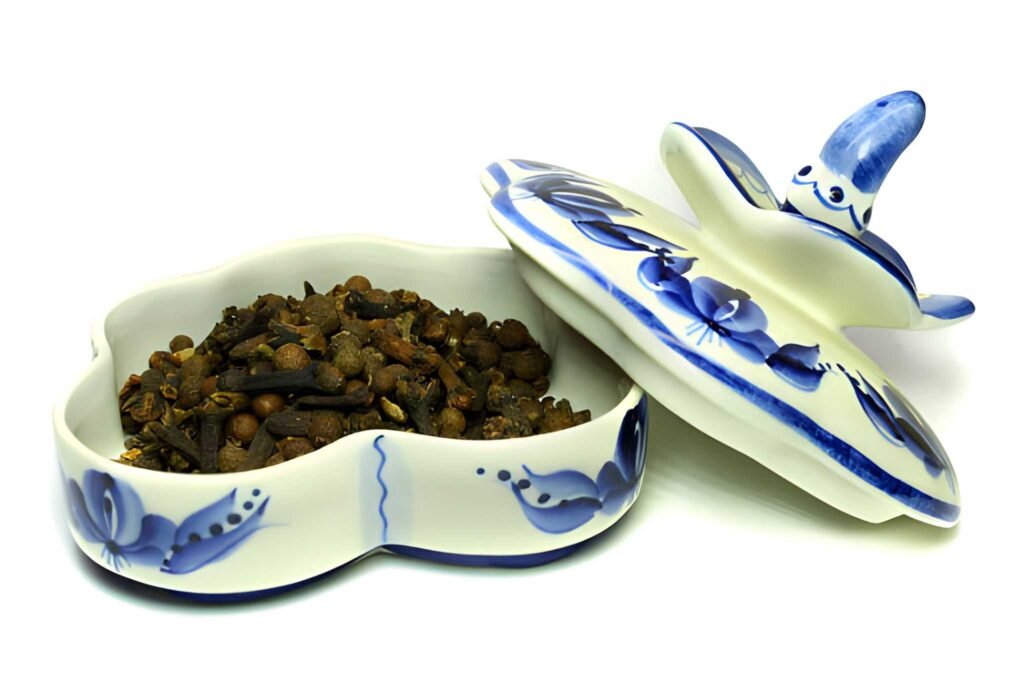
The Aromatic Guardian: A Specialist Guide to Cloves and Breastfeeding
Exploring Nutritional Synergy, Lactation Support, and Infant Safety
Spices in the Fourth Trimester: A Specialist Perspective
Postpartum recovery demands a sophisticated approach to nutrition. As a specialist, I view the fourth trimester as a period of profound biological transition where the maternal body requires specific micronutrients to repair tissue and sustain milk production. Spices often remain overlooked in modern Western diets, yet they provide concentrated phytochemicals that support these physiological processes. Cloves (Syzygium aromaticum), historically prized for their medicinal potency, offer a unique set of benefits for the breastfeeding mother.
Many nursing mothers ask whether incorporating cloves into their diet supports or hinders their breastfeeding journey. Unlike many synthetic supplements, cloves integrate into maternal metabolism through traditional culinary pathways. This article examines the biological impact of cloves on both the mother and the nursing infant, prioritizing evidence-based safety and nutritional efficacy. We must move beyond the "flavoring" label and understand cloves as a bioactive tool for postpartum wellness.
Nutritional Profile: More Than Just Flavor
Cloves contain a surprising density of essential minerals and vitamins. For a breastfeeding mother, every calorie must count toward nutritional density. Cloves provide significant amounts of manganese, a mineral vital for bone health and metabolic regulation. A single teaspoon of ground cloves provides nearly 30 percent of the daily recommended intake for manganese.
Beyond minerals, cloves offer Vitamin K, which supports proper blood clotting—a critical factor during the early weeks of postpartum healing. The most notable component, however, is the antioxidant capacity. Cloves rank among the highest on the ORAC (Oxygen Radical Absorbance Capacity) scale, meaning they effectively neutralize free radicals generated during the stress of sleep deprivation and physical recovery.
| Nutrient | Role in Breastfeeding | Maternal Benefit |
|---|---|---|
| Manganese | Bone Matrix Support | Protects maternal bone density during calcium transfer to milk. |
| Vitamin K | Coagulation Regulation | Aids in postpartum uterine recovery and healing. |
| Fiber | Digestive Support | Prevents postpartum constipation, a common nursing challenge. |
| Eugenol | Anti-inflammatory | Reduces systemic inflammation and joint pain. |
Cloves and Lactation: Do They Influence Milk Supply?
The term galactagogue refers to substances that supposedly increase milk production. While traditional medicine in some cultures includes cloves in lactation-boosting teas and porridges, clinical evidence for cloves as a primary galactagogue remains limited. However, cloves support milk supply indirectly by addressing the barriers to successful breastfeeding.
High levels of maternal stress and inflammation can inhibit the let-down reflex (the release of milk). By utilizing the anti-inflammatory and calming properties of cloves, a mother may experience a more relaxed nursing experience. Furthermore, cloves support digestive health. A mother who digests nutrients efficiently maintains more energy for the metabolic demands of lactation. We view cloves as a supportive spice rather than a direct hormonal stimulant like fenugreek.
Cloves stimulate enzyme production. This improves nutrient absorption, ensuring the mother has the fuel required for milk synthesis.
The aromatic compounds in cloves possess mild sedative properties. A calm mother often experiences more efficient oxytocin release.
Maternal illness can temporarily drop milk supply. The antimicrobial properties of cloves help keep the mother healthy and consistent.
Eugenol: Investigating the Active Compound
The primary bioactive compound in cloves is eugenol. This chemical provides the spice's characteristic scent and its potent medicinal properties. Eugenol acts as a natural anesthetic and antiseptic. When a mother consumes cloves, eugenol enters her bloodstream and a very small fraction may appear in breast milk. For most term infants, these trace amounts pose no risk.
However, we must exercise caution with concentrated forms. Eugenol is a powerful substance. In high concentrations, such as those found in clove essential oil, it can become toxic to both the mother and the infant. The infant's liver is immature and cannot process concentrated eugenol efficiently. Therefore, while ground cloves in a cookie or soup are safe, medicinal clove oil requires extreme care.
Trace amounts of eugenol from culinary use are generally safe. They may even offer mild digestive benefits to the infant. However, direct exposure to clove oil can cause respiratory distress or liver challenges in newborns. Always separate culinary enjoyment from concentrated medicinal application.
Postpartum Recovery: Anti-Inflammatory and Healing Actions
Postpartum mothers often experience joint pain, backaches, and uterine cramping. Cloves contain flavonoids and other phenolic compounds that inhibit inflammatory pathways. Incorporating cloves into the diet may reduce the reliance on over-the-counter pain medications, which many mothers prefer to limit while breastfeeding.
Furthermore, cloves possess significant antimicrobial and antifungal properties. Many nursing mothers struggle with nipple thrush (a yeast infection). While cloves cannot replace prescribed antifungals, their systemic use supports a healthy microbiome. In some traditional practices, a very diluted clove tea is used as a wash, though I recommend consulting a lactation consultant before any topical application to the breast area.
Dental Health and the Nursing Mother
Hormonal shifts during pregnancy and breastfeeding can affect gum health. Cloves are famous for dental care. For a mother experiencing "nursing-related" dental sensitivity, a clove-infused rinse provides temporary relief without the systemic risks of some pharmaceutical numbing agents. It acts locally and provides antiseptic benefits to the oral cavity.
Spice Comparison: Cloves vs. Ginger vs. Turmeric
When selecting spices for a postpartum diet, understanding their specific roles helps mothers target their individual needs. Cloves offer the highest antioxidant density, while ginger and turmeric excel in different areas of systemic support.
Primary use: Nausea and digestion. Excellent for postpartum digestive sluggishness. More stimulant than cloves.
Primary use: Pain relief and antioxidants. Highest eugenol content. Best for localized healing and dental issues.
Primary use: Systemic inflammation. Requires black pepper for absorption. Best for long-term joint health.
Dosage Thresholds: Culinary Use vs. Medicinal Oil
The distinction between culinary use and medicinal use is the most important safety factor for breastfeeding mothers. We categorize safety based on the concentration of the active compounds. A mother can safely enjoy cloves in her daily meals, but she should avoid highly concentrated extracts.
Safe Culinary Range: 1/4 to 1/2 teaspoon of ground cloves per day in food or tea.
Medicinal Threshold: Avoid consuming more than 1500mg of clove extract daily.
Clove Essential Oil: NEVER ingest clove oil while breastfeeding without direct medical supervision.
For topical use, such as for a toothache, a mother may apply a tiny drop of diluted clove oil to the affected gum. She must wash her hands thoroughly afterward to ensure she does not transfer the oil to her nipples or the baby's skin. The baby's skin is highly absorbent, and even small amounts of undiluted oil can cause chemical burns or irritation.
The Sensory Shift: How Cloves Affect Milk Flavor
Breast milk is a dynamic fluid that carries the flavors of the mother's diet. This is a biological advantage. When a mother eats cloves, her milk may carry a subtle, warm aromatic profile. This exposure introduces the infant to various flavors, which specialists believe leads to a more adventurous palate when the child transitions to solid foods at six months.
Most infants tolerate the flavor of cloves well. Some babies even find the aromatic change soothing. However, if a mother consumes a very large amount of cloves suddenly, the infant might notice the change in taste and temporarily refuse the breast. We recommend introducing cloves gradually into the diet to allow the baby's sensory system to adapt to the new flavor notes.
Clove-Infused Recovery Tea
A gentle way to include cloves is through a recovery tea. Steep one or two whole cloves with a slice of fresh ginger and a cinnamon stick in hot water. This provides the anti-inflammatory benefits in a diluted, hydrated form that supports milk volume. Hydration remains the number one factor in milk supply, so "functional hydration" like this tea serves a dual purpose.
Specialist Summary and Actionable Checklist
In summary, cloves are an excellent, nutritionally dense addition to a breastfeeding mother's diet when used in culinary amounts. They provide manganese for bone health, eugenol for pain relief, and antioxidants for systemic recovery. While they do not directly "make" more milk, they support the maternal health required for successful long-term lactation.
As you navigate your nursing journey in , remember that natural spices like cloves connect you to traditional wisdom and modern nutritional science. By prioritizing variety and moderation, you provide both yourself and your son with a robust foundation for health and sensory development.
Nursing Mother's Clove Checklist
- ✔️ Prioritize whole or ground cloves in cooking (soups, stews, baked goods).
- ✔️ Use clove-infused tea as a gentle anti-inflammatory recovery drink.
- ✔️ Avoid ingesting concentrated clove essential oil or high-dose supplements.
- ✔️ Wash hands immediately if using clove oil for topical dental pain.
- ✔️ Introduce cloves gradually to allow your infant to adjust to the milk flavor.
- ✔️ Monitor your baby for any signs of fussiness or refusal if you consume large amounts.