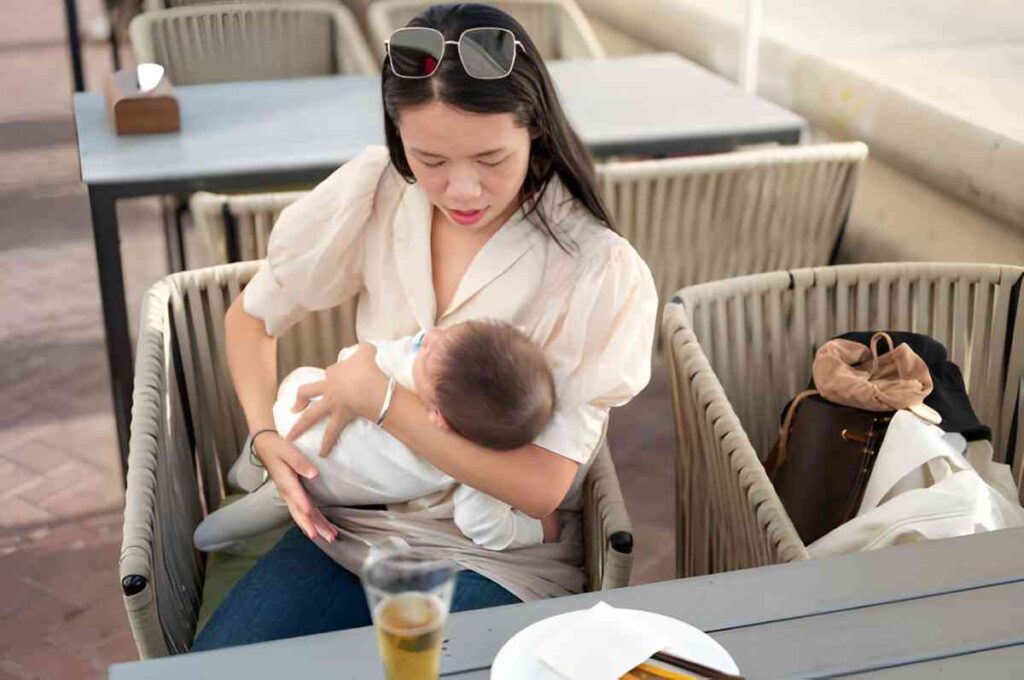
The Legume Legacy: Lentils in the Breastfeeding Diet
A Clinical Specialist Guide to Iron Replenishment, Fiber Dynamics, and Infant Digestive Safety.
The Nutritional Blueprint of Lentils
When a nursing mother evaluates her dietary choices, she often seeks a balance between rapid energy recovery and the long-term nutritional quality of her milk supply. Lentils occupy a unique space in this evaluation. As a specialist in child and maternal health, I find that lentils are not just "good" for breastfeeding; they are arguably one of the most cost-effective and nutrient-dense tools available for postpartum wellness.
Lentils are part of the legume family, offering a sophisticated combination of complex carbohydrates, plant-based protein, and essential micronutrients. Unlike refined grains, lentils provide a steady release of glucose into the bloodstream. This is critical for the breastfeeding mother, whose body is under constant pressure to synthesize lactose—the primary sugar in breast milk. Stable blood sugar levels correlate with consistent energy and emotional resilience during the sleep-deprived months of early infancy.
Iron Replenishment and Postpartum Fatigue
Postpartum anemia is a significant barrier to successful breastfeeding. Childbirth, whether vaginal or via cesarean section, involves blood loss that can deplete maternal iron stores. Low iron levels lead to extreme fatigue, irritability, and a potential reduction in the milk let-down reflex due to systemic stress.
Lentils provide a formidable source of non-heme iron. While non-heme iron is less easily absorbed than the heme iron found in animal products, lentils contain specific co-factors that support health. To optimize this, specialists recommend pairing lentils with a Vitamin C source, such as a squeeze of lemon or sliced bell peppers. This simple clinical adjustment can increase iron absorption by nearly 300 percent, directly aiding the mother's physiological recovery.
Debunking the Infant "Gas" Myth
The most common question I receive regarding lentils is whether they will make the baby gassy. This is a persistent misconception rooted in a misunderstanding of how breast milk is synthesized. Gas in the mother’s digestive tract is caused by the fermentation of fiber by her own gut bacteria. This gas does not cross into the bloodstream and therefore cannot enter the breast milk.
Breast milk is made from the mother’s blood and lymphatic fluid. While some food proteins (like those in cow's milk) can cross the blood-milk barrier and cause sensitivities, the gas-producing sugars in lentils remain in the mother's colon. If an infant is gassy after a mother eats lentils, the cause is usually coincidental or related to a different sensitivity, such as an overactive let-down or an immature digestive system. In fact, the fiber in lentils supports maternal digestive regularity, which is often a challenge postpartum.
Lentils as a Secondary Galactagogue
While lentils are not typically listed as a primary galactagogue like fenugreek or fennel, they serve as a secondary support for milk volume. Successful lactation requires approximately 500 extra calories per day and a high intake of B-vitamins, specifically Folate.
Lentils are one of the richest plant sources of Folate. This vitamin is essential for DNA repair and cellular growth, which is critical for an infant experiencing rapid developmental leaps.
The high protein and fiber content in lentils prevents "hunger spikes." A well-fed, calm mother has lower cortisol levels, which facilitates the hormonal environment needed for the oxytocin-driven let-down reflex.
Managing Phytates and Lectins
Like all seeds and legumes, lentils contain anti-nutrients called phytates and lectins. These compounds protect the plant but can bind to minerals like zinc and calcium in the mother's gut, making them harder to absorb. For a nursing mother, every milligram of mineral absorption counts.
Soaking dried lentils for 2 to 4 hours before cooking helps neutralize phytates. This process "pre-digests" some of the complex starches, making the lentils gentler on the mother's digestive system and increasing the bioavailability of the iron and zinc they contain.
Sprouted lentils are a nutritional powerhouse. The sprouting process activates enzymes that further reduce anti-nutrients and increases the levels of Vitamin C and B-vitamins. Sprouted lentils can be lightly steamed or added to salads for a concentrated nutrient boost.
Red, Green, and Brown: A Comparison
Each variety of lentil offers a slightly different clinical profile. Choosing the right one can help address specific postpartum needs.
| Variety | Texture/Usage | Specific Benefit |
|---|---|---|
| Red/Yellow | Soft/Mushy (Soups) | Easiest to digest; perfect for early postpartum recovery. |
| Green/Puy | Firm (Salads) | Highest antioxidant content (Anthocyanins). |
| Brown/Black | Versatile (Stews) | Highest fiber content for maternal regularity. |
Nutritional Math: Protein and Fiber Targets
To understand the impact of lentils, we can calculate how they fulfill the daily requirements for a lactating woman.
Specialist Clinical Summary
Lentils are an exceptional dietary staple for the breastfeeding journey. They provide the "slow-burn" energy needed to power through the metabolic demands of milk production while offering a safety net of iron and folate for maternal recovery. The long-standing myth that lentils cause infant gas should be discarded in favor of the clinical reality: lentils support maternal gut health and provide essential nutrients for infant brain development.
Mothers should prioritize properly prepared lentils—soaked or sprouted—to maximize mineral absorption. By integrating a variety of red, green, and brown lentils into their weekly meal rotation, nursing parents can ensure they are meeting nearly three-quarters of their daily iron needs with a single food source.
In the United States, where the "bounce-back" culture often prioritizes calories over micronutrients, lentils serve as a reminder that the best nutrition is often the most traditional. They are gentle on the system, easy to prepare, and provide the immunological and physical support required for both the producer and the consumer of the world's most perfect food.
In summary, lentils are a safe, effective, and highly recommended superfood for any breastfeeding mother. They empower the body to heal and the milk to nourish, securing a healthy foundation for the child's most critical first months of life.