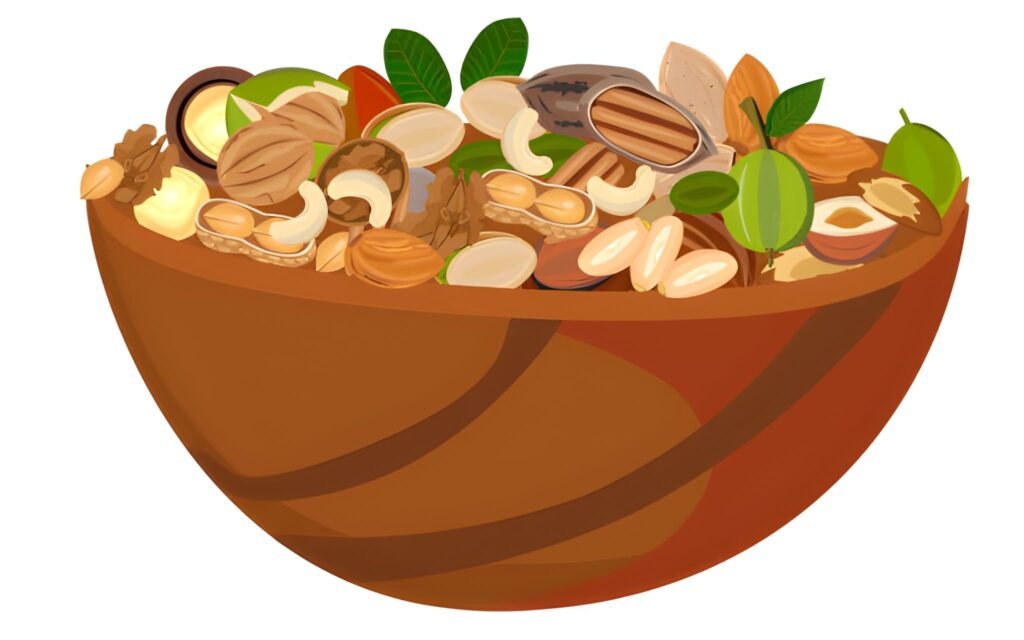
The Nutritional Harvest: Why Nuts are Fundamental to Lactation Support
A clinical exploration of lipid profiles, galactagogue properties, and infant allergen exposure
Lipid Dynamics and Milk Composition
The production of breast milk represents one of the most metabolically expensive tasks the human body performs. As a specialist in child and mother health, I analyze nutrition through the lens of efficiency and long-term recovery. Nuts serve as a primary source of healthy fats, including monounsaturated and polyunsaturated fatty acids, which directly influence the lipid profile of human milk.
While the total fat content of breast milk remains relatively stable regardless of maternal diet, the type of fat varies significantly. Consuming nuts high in Omega-3 fatty acids, such as walnuts, increases the concentrations of alpha-linolenic acid in the milk supply. This provides the infant with the foundational building blocks required for rapid neurodevelopment and retinal health. Furthermore, these healthy fats increase maternal satiety, helping parents manage the intense hunger associated with the 500-calorie daily surplus required for lactation.
Micronutrient Density and Tissue Repair
Postpartum recovery involves significant tissue repair, blood replenishment, and hormonal stabilization. Nuts contain a sophisticated matrix of minerals that act as cofactors in these biological processes.
Magnesium, found in abundance in cashews and almonds, supports muscle relaxation and can help mitigate the physical tension associated with frequent nursing. Zinc supports immune function for both the parent and the infant, as it transfers efficiently through the milk supply. Perhaps most importantly, the Calcium content in certain nuts, particularly almonds, provides a non-dairy alternative for maintaining maternal bone density during a phase where the body actively mobilizes calcium for the infant.
| Nutrient | Top Nut Sources | Role in Lactation | Infant Benefit |
|---|---|---|---|
| Omega-3 (ALA) | Walnuts, Chia (seeds) | Brain health and anti-inflammation. | Neurodevelopmental support. |
| Calcium | Almonds, Brazil Nuts | Maternal bone preservation. | Skeletal growth support. |
| Iron | Cashews, Pine Nuts | Combats postpartum anemia. | Oxygen transport and energy. |
| Selenium | Brazil Nuts | Thyroid hormone regulation. | Metabolic stabilization. |
The Allergy Paradigm: Early Exposure vs. Avoidance
For decades, medical advice suggested that breastfeeding parents should avoid common allergens like peanuts and tree nuts to prevent the development of allergies in their infants. Modern clinical research, including the landmark LEAP (Learning Early About Peanut Allergy) study, has completely inverted this paradigm.
We now understand that early exposure to nut proteins through breast milk may actually help "train" the infant's developing immune system. This creates a state of oral tolerance. Unless the nursing parent has a personal, life-threatening allergy to nuts, I recommend maintaining a diet rich in diverse nut varieties. This passive exposure via the milk supply prepares the infant's system for the introduction of solid foods later in the first year.
The belief that avoiding nuts during lactation prevents infant allergies. This led to a significant increase in pediatric nut allergies over the last thirty years.
The clinical standard that maternal consumption of nuts during breastfeeding provides protective benefits and reduces allergy risk in the child.
Nuts as Functional Galactagogues
In many cultures, certain nuts are celebrated as galactagogues—substances that increase milk production. Almonds, in particular, hold a long-standing reputation in Ayurvedic and Traditional Chinese Medicine for supporting the "liquid gold" supply.
While clinical data on the "hormonal" impact of nuts is still developing, their role as galactagogues is likely tied to their high arginine content. Arginine is an amino acid that improves blood flow through vasodilation. Better blood flow to the mammary tissues ensures the efficient transport of nutrients and hormones required for milk synthesis. Additionally, the presence of plant sterols and phytoestrogens in some nuts may provide a gentle hormonal balancing effect during the fourth trimester.
Protein Kinetics and Postpartum Recovery
Nursing parents require approximately 25 grams of additional protein per day compared to their non-pregnant baseline. Nuts offer a convenient, shelf-stable, plant-based protein source that requires zero preparation.
The amino acid profile in nuts supports the repair of the pelvic floor and abdominal tissues. When paired with a varied diet, nuts provide the nitrogen balance necessary for maternal health. I often recommend "nut butters" as a dense protein delivery system for parents who find it difficult to sit for full meals during the demanding early weeks of a newborn's life.
Caloric and Macro Logic
To support a healthy milk supply without maternal depletion, consider these benchmarks:
Standard Serving: 1 ounce (approx. 28g or a small handful).Caloric Contribution: 160 to 200 calories.
Protein Yield: 4g to 7g per serving.
The Math: Consuming two servings of mixed nuts daily covers nearly 40% of the additional caloric requirement for lactation while providing over 20% of the additional protein needed.
Comparative Analysis: Selecting the Best Options
While all nuts provide nutritional value, specific varieties offer targeted benefits depending on the parent's individual health goals.
Highest in Omega-3 (ALA). Essential if you do not consume fish or algae-based DHA supplements.
One single nut contains your entire daily requirement of Selenium. This supports thyroid function, which often fluctuates postpartum.
The highest calcium content among tree nuts. Vital for parents who avoid dairy products.
Specialist FAQ: Addressing Common Concerns
Fiber does not pass into breast milk, so the fiber in nuts cannot cause gas in your infant. However, if your baby has a specific non-IgE mediated sensitivity to certain proteins, you might notice fussiness. This is rare. For 95% of infants, a parent's nut intake has no negative impact on digestion.
Yes. Nut butters provide the same lipid and mineral profile as whole nuts. In fact, grinding the nuts can sometimes improve the bioavailability of certain minerals. Ensure you choose "natural" varieties without added hydrogenated oils or excessive sugars to maximize the anti-inflammatory benefits.
Raw nuts preserve the most heat-sensitive vitamins, like Vitamin E. However, roasted nuts are often easier to digest for some parents. Both are excellent choices. I recommend avoiding "honey-roasted" or heavily salted varieties, as excess sodium can lead to fluid retention.
Expert Summary and Practical Application
In conclusion, nuts are an exceptional functional food for the breastfeeding parent. They solve the triple challenge of lactation: providing high-density calories, delivering essential lipids for infant brain health, and supporting maternal tissue recovery.
As you navigate the rhythms of nursing, prioritize variety. Rotate between walnuts for brain health, almonds for calcium, and cashews for iron. By incorporating these nutritional powerhouses into your daily routine, you provide a robust foundation for your child's growth while ensuring your own biological reserves remain replenished. Trust in the nutritional density of the harvest to support your nursing journey.
- Aim for 1 to 2 ounces of mixed nuts daily.
- Choose unsalted, raw, or dry-roasted varieties.
- Pair nuts with fruit (Vitamin C) to enhance iron absorption.
- Incorporate nut butters for a quick, high-protein snack.
- Monitor your baby for rare signs of sensitivity (rashes or extreme colic).