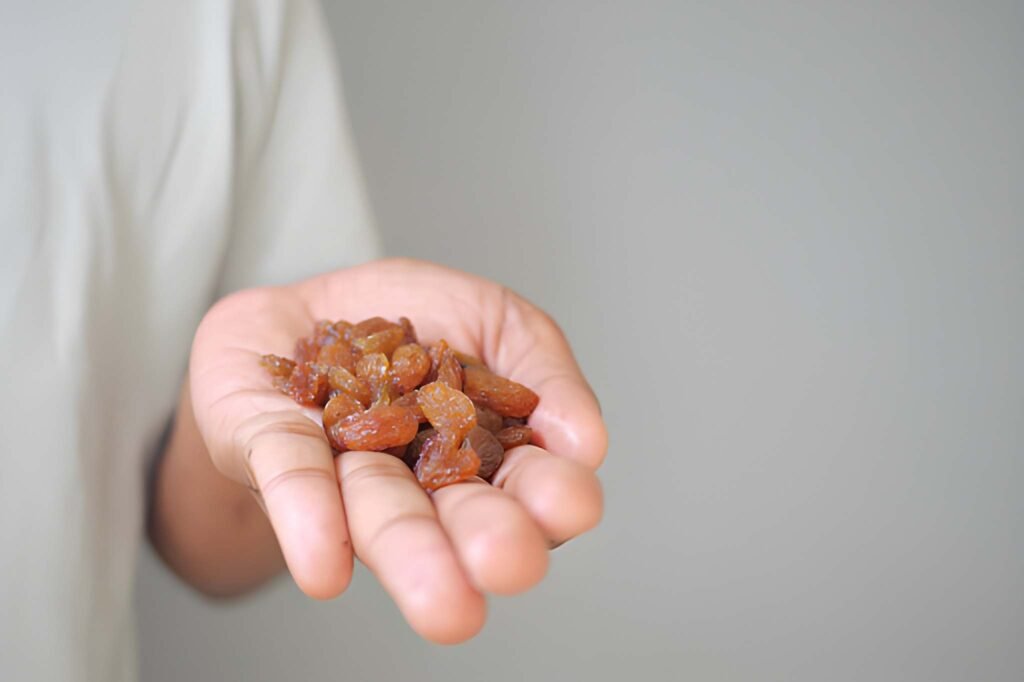
Raisins and Breastfeeding: A Comprehensive Guide to Nature's Energy Boost
Navigating Postpartum Iron, Energy Spikes, and Digestive Health in
- Meeting the Metabolic Demand of Lactation
- Iron Density and Postpartum Anemia
- Boron: The Hidden Mineral for Bone Health
- Fiber and Postpartum Digestive Regularity
- Sugar Concentration vs. Glycemic Impact
- Raisins vs. Other Dried Fruits
- Calculating Your Daily Iron Contribution
- Common Questions from Nursing Mothers
Nursing a child places an extraordinary metabolic load on the maternal body. A breastfeeding mother requires an additional 500 calories daily to maintain her energy while producing nutrient-dense milk. Finding convenient, portable, and healthy snacks that satisfy these caloric requirements remains a top priority for most families. Raisins, often overlooked as a simple pantry staple, offer a concentrated delivery system for several minerals and antioxidants crucial for postpartum recovery.
As a specialist in child and maternal health, I find that raisins provide a unique balance of quick energy and long-term mineral support. While they are essentially concentrated grapes, the drying process transforms their nutritional profile, making them a denser source of fiber and iron. This guide provides an evidence-based look at why raisins deserve a spot in your lactation diet, along with practical advice for managing their high natural sugar content.
Meeting the Metabolic Demand of Lactation
The production of human milk involves an intricate exchange of nutrients and metabolic effort. Mothers often experience sudden "energy crashes" throughout the day, driven by the caloric deficit of nursing. Raisins act as an immediate fuel source because they contain high concentrations of glucose and fructose. Unlike processed sugars, these are packaged with fiber and polyphenols that help moderate the rate of absorption.
Including a handful of raisins in your morning oatmeal or as a mid-afternoon snack can prevent the lethargy associated with low blood sugar. This is particularly relevant during the first three months of the postpartum journey, when sleep deprivation and round-the-clock feedings tax the maternal nervous system.
Concentrated Iron
Raisins provide a plant-based source of iron that helps rebuild red blood cell stores depleted during childbirth. This mineral supports energy and cognitive function.
Digestive Enzymes
High fiber content stimulates peristalsis, assisting with the common issue of postpartum constipation without the need for harsh chemicals.
Phenolic Compounds
These antioxidants protect maternal cells from oxidative stress and may provide subtle anti-inflammatory benefits during the healing process.
Iron Density and Postpartum Anemia
Postpartum anemia affects a significant percentage of new mothers, characterized by fatigue, dizziness, and a weakened immune system. While red meat remains the most famous iron source, raisins offer a convenient plant-based alternative (non-heme iron) that contributes to the daily target. For a breastfeeding individual, the daily iron requirement is approximately 9 milligrams per day.
A small box of raisins (approximately 40 grams) provides roughly 1 milligram of iron. While this may seem small, it represents over 10% of the daily requirement for a nursing mother. When integrated into a diet rich in Vitamin C, which enhances the absorption of non-heme iron, raisins become a powerful tool for blood health recovery.
Boron: The Hidden Mineral for Bone Health
Lactation temporarily leaches calcium from the maternal skeleton to ensure the infant receives enough minerals for bone growth. While the body typically recovers this bone density after weaning, supporting the skeletal structure during nursing is vital. Raisins are one of the best dietary sources of boron.
Boron plays a critical role in how the body uses calcium, magnesium, and phosphorus. It also helps stabilize estrogen and testosterone levels, which fluctuate wildly after delivery. Maintaining adequate boron intake through foods like raisins may support bone mineralization and hormonal stability throughout the nursing period.
Fiber and Postpartum Digestive Regularity
Many women struggle with digestive slow-downs after delivery due to hormonal shifts, surgical recovery (in the case of C-sections), or the use of iron supplements. Raisins are remarkably high in fiber, particularly insoluble fiber, which adds bulk to the stool and speeds up transit time.
A single serving of raisins contains about 3 to 4 grams of fiber. For a mother aiming for 25 to 30 grams of fiber daily, raisins provide a significant boost. Furthermore, raisins contain tartaric acid, a compound that some studies suggest supports a healthy colon and regular movements.
Sugar Concentration vs. Glycemic Impact
The primary concern regarding raisins involves their sugar density. Because the water is removed during drying, the sugar becomes concentrated. While this provides quick energy, it requires moderation. A standard serving of raisins (1/4 cup) contains about 29 grams of sugar.
Raisins vs. Other Dried Fruits
How do raisins stack up against other common choices for nursing mothers? This comparison highlights the differences in mineral and caloric density.
| Dried Fruit (1/4 Cup) | Iron Content | Fiber Content | Key Advantage |
|---|---|---|---|
| Raisins | 1.1 mg | 3.2 g | High Boron / Portable |
| Dates | 0.5 mg | 3.5 g | Potassium / Energy Boost |
| Prunes | 0.4 mg | 3.1 g | Vitamin K / Constipation Relief |
| Dried Apricots | 1.5 mg | 4.5 g | Vitamin A / High Iron |
Calculating Your Daily Iron Contribution
Understanding exactly how much nutritional support you receive from your snacks helps maintain a balanced intake. Here is a simple breakdown of the iron contribution from a typical "Lactation Trail Mix" containing raisins.
The Iron Math for Nursing Mothers
Target Daily Iron: 9mg
Trail Mix Serving:
- 1/4 Cup Raisins: 1.1mg
- 1/4 Cup Pumpkin Seeds (Pepitas): 2.5mg
- 1/4 Cup Cashews: 1.6mg
Total Iron Contribution: 5.2mg
By consuming this simple combination, you meet over 50% of your daily iron needs in one snack. The raisins not only provide iron themselves but offer the natural sweetness needed to make the protein-heavy seeds more palatable.
Common Questions from Nursing Mothers
Expert Summary and Practical Application
From a maternal health perspective, raisins are an excellent addition to a breastfeeding diet. They solve the common postpartum problems of low energy and slow digestion through their high fiber and natural sugar content. Furthermore, their role as a source of iron and boron supports blood recovery and skeletal health during a time when maternal resources are being shared with the infant.
Aim for small, controlled portions to avoid excessive sugar intake. Mixing raisins with protein sources like almonds or yogurt helps slow down the digestion of the sugars, providing a more stable energy curve. By prioritizing nutrient-dense, whole foods like raisins, you provide your body with the stability it needs to navigate the beautiful but demanding journey of lactation.