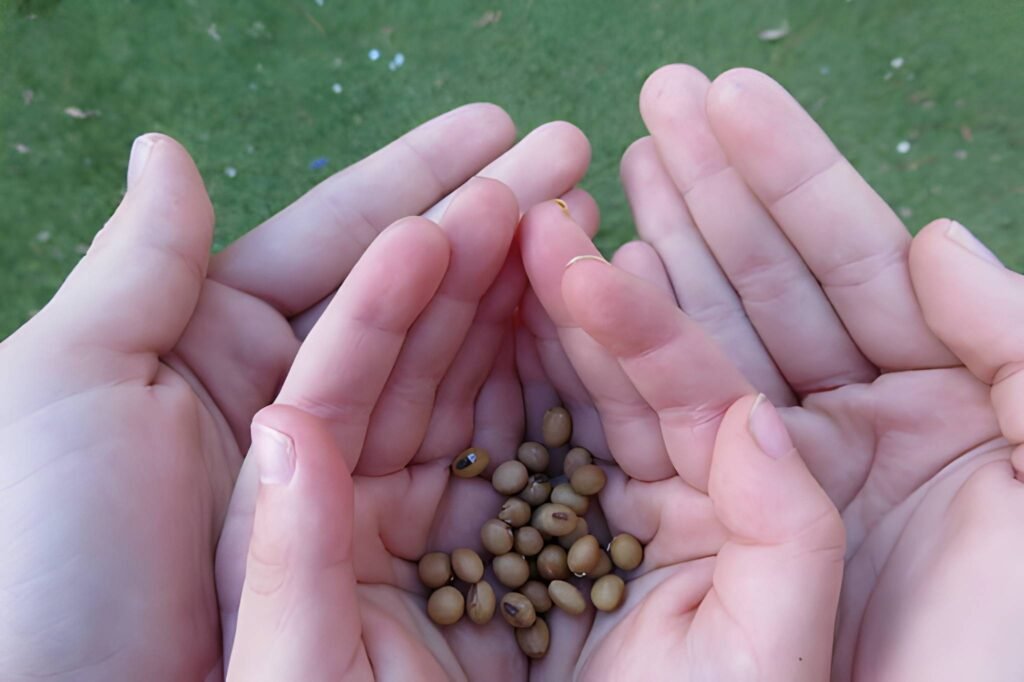
Ancient Seeds for Modern Mothers: The Clinical Role of Sesame in Lactation
A specialist's exploration of mineral bioavailability, phytoestrogen kinetics, and bone health support
The Cultural History of Sesame as a Galactagogue
For millennia, sesame seeds (Sesamum indicum) have occupied a prestigious position in traditional medicine systems, from Ayurveda in India to Middle Eastern folk medicine. Across these diverse cultures, a consistent thread exists: the use of sesame to support milk production in nursing mothers. As a specialist in child and maternal health, I find that these historical traditions often align with modern nutritional science, although we must interpret them through the lens of physiological mechanics rather than folklore.
In many Southeast Asian cultures, black sesame seeds are incorporated into soups and porridges immediately following childbirth. The belief remains that these seeds "warm" the body and stimulate the flow of milk. While we now understand that "warming" refers to metabolic stimulation and blood flow, the empirical success of these traditions has led to sesame being classified as a functional galactagogue. Unlike some herbs that target prolactin levels through unknown pathways, sesame seeds provide a dense matrix of nutrients that support the mother's baseline health, thereby facilitating optimal lactation.
The Calcium Paradigm: Preserving Maternal Bone Health
A lactating mother loses approximately 3 to 5 percent of her bone mass during the first six months of breastfeeding. This occurs because the body actively demineralizes the mother's skeleton to ensure the breast milk contains a consistent 200 to 300 mg of calcium per liter, regardless of what the mother consumes. If maternal intake is low, the body prioritizes the infant's skeletal growth at the expense of the parent's long-term bone density.
Sesame seeds are among the most concentrated plant-based sources of calcium available. Just two tablespoons of unhulled sesame seeds provide nearly as much calcium as a glass of milk. For mothers who are dairy-free or suffer from lactose intolerance—a common occurrence in the postpartum period—sesame serves as a vital clinical tool for skeletal preservation.
High calcium intake from sesame helps signal the body to slow the rate of bone resorption, protecting the mother from future osteopenia.
Calcium requires magnesium and phosphorus to be properly integrated into the bone matrix. Sesame seeds provide all three in a synergistic ratio.
Lignans and Hormonal Regulation
The second primary reason sesame seeds are "good" for breastfeeding involves their concentration of lignans, specifically sesamin and sesamolin. Lignans are a type of phytoestrogen—plant compounds that can weakly mimic or modulate the effects of estrogen in the human body.
During the fourth trimester, estrogen levels drop precipitously after the delivery of the placenta. This hormonal crash can impact mood, skin health, and even the milk let-down reflex. Sesame lignans act as gentle modulators, helping to stabilize the hormonal environment. Furthermore, research indicates that sesame lignans are converted by gut bacteria into enterolignans, which possess significant antioxidant properties that protect the mammary tissues from oxidative stress during high-volume production.
Lipid Profiles for Infant Neurodevelopment
While the mother's skeleton provides the minerals, her diet provides the lipids. Breast milk fat is approximately 50 percent of the infant's total calorie source and is essential for the insulation of nerve fibers (myelination).
| Nutrient | Amount per 2 tbsp | Maternal Role | Infant Role |
|---|---|---|---|
| Calcium (Unhulled) | 176 mg | Bone preservation. | Skeletal mineralization. |
| Healthy Fats | 9 g | Hormone precursor. | Myelination of nerves. |
| Iron | 2.9 mg | Combats fatigue/anemia. | Oxygen transport. |
| Copper | 0.7 mg | Collagen repair. | Brain development. |
Bioavailability: The Case for Tahini
A critical technical detail in sesame consumption involves the seed's structural integrity. Whole sesame seeds possess a very resilient outer hull. If consumed whole, the seeds often pass through the gastrointestinal tract entirely intact, meaning the nutrients remain trapped inside.
To achieve clinical benefit, the seeds must be mechanically broken down. This is why I recommend tahini (sesame butter) or ground sesame meal over whole seeds. Tahini is produced by grinding roasted seeds into a smooth paste, which dramatically increases the surface area for digestive enzymes to work. This makes the calcium and lignans significantly more bioavailable.
Bioavailability Calculation
If you consume 2 tablespoons of whole sesame seeds:
Estimated Calcium Absorption: < 15% (Hull remains intact)If you consume 2 tablespoons of Tahini:
Estimated Calcium Absorption: > 60% (Full enzymatic access)The Specialist Verdict: For bone health and milk supply, choose creamy tahini over sprinkling whole seeds on salads.
The 9th Allergen: Sesame and Infant Safety
In the United States, sesame was recently designated as the ninth major food allergen. For a breastfeeding mother, this requires a state of clinical vigilance. Small amounts of sesame proteins can cross into breast milk.
If there is a strong family history of food allergies, I recommend a cautious approach. However, for most infants, early exposure to diverse proteins through breast milk may actually help build oral tolerance. If you consume sesame and notice your infant develops hives, eczema flares, or significant gastrointestinal distress (such as mucus or blood in the stool), you should discontinue sesame and consult a pediatric allergist.
Intake Recommendations and Daily Planning
To support lactation without maternal depletion, I recommend a daily intake of one to two tablespoons of tahini or ground sesame. This provides a steady stream of minerals without overwhelming the digestive system with excess fiber.
Often higher in antioxidant phenolic compounds. Preferred in Traditional Chinese Medicine for "nourishing the blood."
Generally has a milder flavor and is easier to find in creamy tahini formats. Excellent for daily calcium maintenance.
Specialist Q&A: Clinical FAQ
Sesame seeds do not contain the complex oligosaccharides found in beans that typically cause gas. However, if consumed in massive whole-seed quantities, the fiber may cause maternal bloating. Since only the liquid nutrients and small protein fragments enter the milk, sesame is rarely a cause of infant colic.
Unhulled tahini (made from seeds with the skin on) contains significantly more calcium—often up to ten times more than hulled varieties. However, unhulled tahini has a more bitter, "earthy" taste. For clinical mineral support, unhulled is superior. For maternal enjoyment and consistent intake, hulled tahini is perfectly acceptable.
While hair loss is primarily hormonal (dropping estrogen), the Zinc and Copper found in sesame seeds are essential for keratin production. Providing these micronutrients ensures that when your hair begins to regrow, it has the structural building blocks required for strength and luster.
The Specialist's Final Verdict
Sesame seeds are a nutritional powerhouse that should be a staple in the breastfeeding mother's pantry. They offer a unique solution to the twin challenges of lactation: the high demand for infant nutrients and the preservation of maternal biological reserves.
By choosing ground formats like tahini to maximize bioavailability and prioritizing unhulled varieties for calcium, you provide your body with the tools it needs to sustain another life while protecting your own skeletal health. Integrate these ancient seeds with confidence, observing your infant for any signs of sensitivity, and enjoy the sustained energy and mineral stability they provide.
- Aim for 1-2 tablespoons of Tahini daily.
- Choose "Unhulled" for maximum calcium content.
- Store tahini in a cool, dark place to prevent the healthy oils from oxidizing.
- Monitor infant skin for eczema or rashes if you have an allergy history.
- Pair sesame with Vitamin C-rich foods to improve the absorption of its non-heme iron.