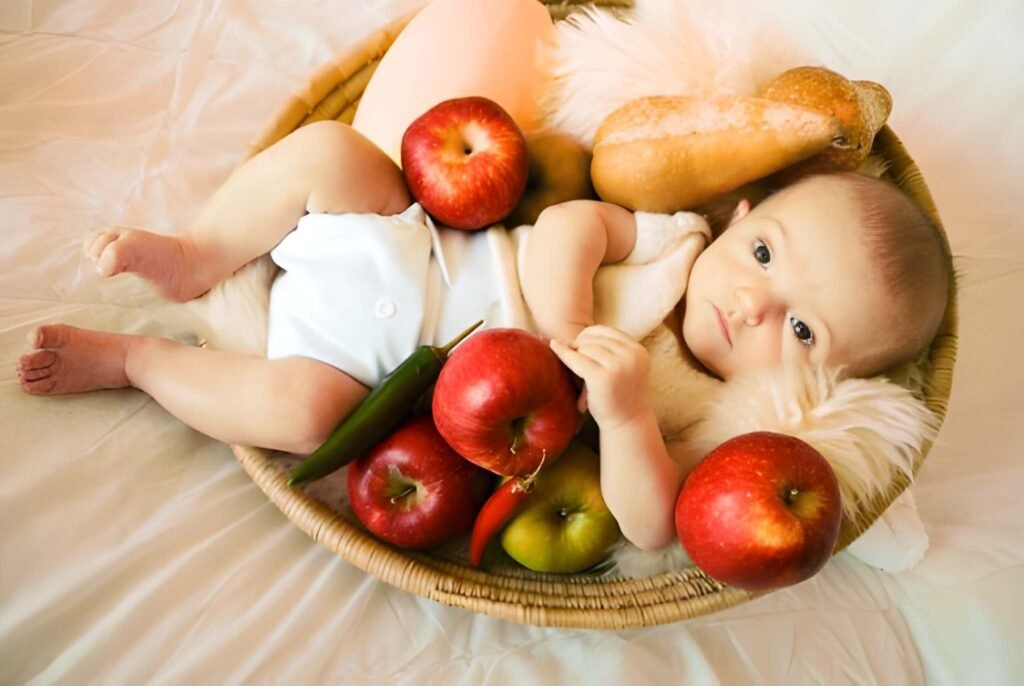
Spicy Foods and Breastfeeding: Navigating Flavor, Biology, and Infant Comfort
The transition into parenthood often brings a flood of dietary restrictions, many of which stem from cultural traditions rather than biological science. One of the most persistent questions I hear from new mothers involves the safety of spicy foods. The common fear suggests that consuming chili peppers, hot sauce, or intense spices will "spice up" the breast milk, causing the infant to experience stomach pain, gas, or a "burning" sensation during feeding.
As a child and mother specialist, I aim to clarify these misconceptions. While what you eat does influence the flavor of your milk, the mechanics of lactation and infant digestion are more robust than many believe. In most cases, spicy foods are not only safe but can be beneficial for your infant's future relationship with food. This guide explores the science of flavor transfer, identifies signs of sensitivity, and provides a framework for enjoying a flavorful diet in .
The Science of Flavor Transfer: Blood vs. Milk
To understand the impact of spicy foods, we must first look at how breast milk is synthesized. Breast milk is not a direct product of your stomach contents. Instead, your body produces milk using nutrients and molecules filtered from your bloodstream. When you consume spicy food containing capsaicin (the compound that creates "heat"), only trace amounts of these flavor molecules pass through the blood-milk barrier.
Research indicates that flavors such as garlic, vanilla, mint, and various spices reach the milk within 2 to 6 hours of consumption. These flavors are subtle. They act as "flavor previews" for the baby rather than direct replicas of the meal. This biological mechanism is a sophisticated way of preparing the infant for the family's specific cultural diet.
Debunking the Spicy Milk Myth
Many mothers worry that a spicy meal will lead to a night of inconsolable crying or colic. Clinical data suggests that there is no direct link between maternal intake of spices and infant colic.
Myth: Spicy food causes gas.
Infant gas is typically caused by an immature digestive system or swallowing air during feeds. Spices in the mother's diet do not create gas bubbles in the infant's gut.
Myth: It causes diaper rash.
While extremely high levels of acidity might occasionally affect stool, a typical spicy meal does not change the pH of breast milk enough to cause a diaper rash.
Myth: It thins the milk.
The nutritional density of breast milk (fats, proteins, and sugars) remains stable regardless of the spice level of the mother's diet.
Cultural Diets and Global Breastfeeding Norms
If spicy foods were detrimental to breastfeeding, we would see significantly higher rates of lactation failure in cultures where high-heat spices are dietary staples. In countries like Mexico, India, Thailand, and South Korea, nursing parents continue to consume chili-heavy dishes throughout their breastfeeding journey.
| Region | Dominant Spices | Observations in Lactation |
|---|---|---|
| South Asia | Turmeric, Cumin, Chilies | Spices are used to support maternal recovery and immune health. |
| Mexico | Jalapeños, Habaneros | No clinical evidence of increased colic in infants compared to non-spicy cultures. |
| East Asia | Ginger, Garlic, Gochugaru | Garlic is often viewed as a galactagogue (supply booster) in these regions. |
The Benefits of Early Flavor Exposure
One of the most fascinating aspects of breastfeeding is its role in taste development. Infants who are exposed to a wide variety of flavors through breast milk are statistically more likely to accept a broader range of solid foods later in life.
By consuming spices like cumin, curry, or moderate chilies, you are providing your baby with a sensory education. When you introduce solid foods at six months, the infant may recognize these familiar flavor notes, reducing the likelihood of "picky eating" during the toddler years.
Identifying Infant Sensitivity: When to Scale Back
While most babies tolerate spices well, every infant is unique. A small percentage of babies may have sensitivities—not necessarily to the "heat" of the spice, but to the specific proteins in certain foods often associated with spicy dishes (such as dairy in a spicy curry).
Signs your baby may be sensitive to a specific ingredient:
- Inconsolable Fussiness: Crying that occurs consistently within 4 to 8 hours of you eating a specific dish.
- Skin Reactions: Sudden onset of eczema or hives.
- Gastrointestinal Distress: Diarrhea or mucus in the stool that persists for more than 24 hours.
- Reflux: Excessive spitting up or arching the back in pain during or after a feed.
If you suspect a sensitivity, I recommend keeping a "food and symptom diary" for three days. This allows you to identify patterns without unnecessarily restricting your diet.
Maternal Health: Heartburn and Postpartum Comfort
Often, the reason to avoid spicy food has more to do with the mother than the baby. Postpartum hormones can slow down digestion, making you more prone to acid reflux or heartburn.
1. Heartburn Management: If spicy food causes you discomfort, it may interfere with your sleep—a precious resource for a nursing mother.
2. Hemorrhoid Irritation: Many women experience hemorrhoids after birth. Spicy foods can make bowel movements more uncomfortable during the healing phase.
3. Hydration: Spicy meals often increase thirst. Since hydration is critical for milk supply, ensure you are drinking plenty of water alongside your flavorful meals.
Specialist FAQ: Frequently Asked Questions
No. Your milk will not burn your baby's mouth. The chemical sensation of "heat" is filtered out by your metabolic process. The milk may have a slightly different aroma or a very subtle savory note, but it will not be "hot" in the way the food was.
There is no need to "pump and dump" after a spicy meal. Flavor concentrations peak in the milk between 2 and 6 hours after eating. If your baby enjoys the flavor, you can nurse normally. If they seem to reject the breast after a specific meal, you can wait a few hours until the flavor dissipates.
Some spices like garlic and fennel are traditionally viewed as galactagogues. While scientific evidence is mixed, many mothers report a positive impact on supply when incorporating these savory ingredients into their diet.
If the rash appears consistently after a spicy meal, look at the other ingredients in the dish. Often, the culprit is dairy, soy, or gluten rather than the chilies themselves. Consult with your pediatrician to rule out a true food allergy.
In summary, spicy foods are a safe and culturally normal part of the breastfeeding experience. They do not cause gas or colic in infants and can actually contribute to a more adventurous palate for your child later in life. By prioritizing your own digestive comfort and monitoring your baby for rare sensitivities, you can continue to enjoy the flavors you love while providing the best possible nutrition for your infant.