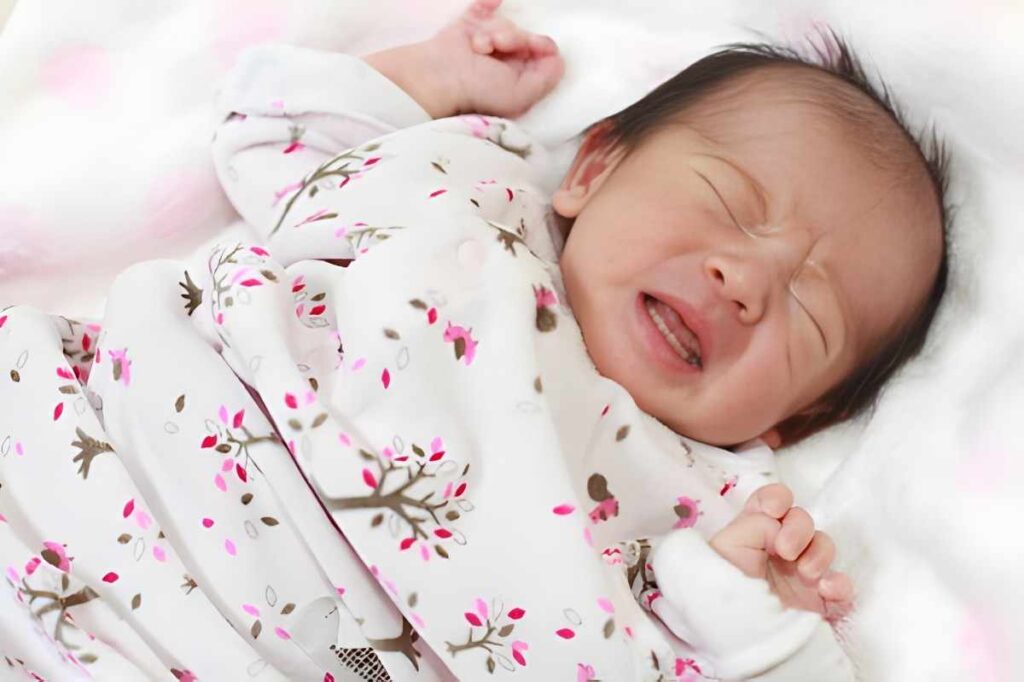
It can be alarming for parents when their 2-week-old newborn has a cold. At this early age, babies are especially vulnerable due to their still-developing immune systems. A cold in a newborn may present differently from older children or adults, and understanding the causes, symptoms, appropriate home care, and when to seek medical help is critical. This article explores everything parents need to know to care for their young infant during a cold, how to prevent complications, and best practices to promote recovery safely.
Why Newborns Catch a Cold
Newborns do not have fully developed immune systems, which makes them particularly susceptible to viral infections such as the common cold. The most frequent culprits are rhinoviruses, adenoviruses, and respiratory syncytial virus (RSV).
| Cause | Explanation |
|---|---|
| Weakened Immune System | Immature defense mechanisms at birth |
| Close Contact with Infected Individuals | Family members, caregivers, visitors |
| Airborne Viruses | Easily transmitted through sneezing, coughing |
| Seasonal Trends | Higher incidence in fall and winter months |
Table 1: Common Viruses Causing Newborn Colds
| Virus | Description |
|---|---|
| Rhinovirus | Most common cause of colds, causes runny nose and sneezing |
| Adenovirus | Can cause cold-like symptoms and respiratory infections |
| RSV | Severe in newborns, may lead to bronchiolitis or pneumonia |
Symptoms of a Cold in a 2-Week-Old Newborn
Unlike adults, newborns cannot communicate how they feel, so parents must rely on observation.
| Symptom | Description |
|---|---|
| Runny or Stuffy Nose | Clear, watery nasal discharge |
| Sneezing | Frequent, often uncontrollable |
| Mild Cough | Soft, occasional cough |
| Poor Feeding | Refusal to feed or difficulty latching |
| Irritability | Unusual fussiness, discomfort |
| Mild Fever | Low-grade, typically under 100.4°F |
Table 2: Cold Symptoms vs. Serious Illness Indicators
| Symptom | Cold | Serious Illness |
|---|---|---|
| Runny Nose | Yes | Yes |
| Mild Cough | Yes | Yes |
| High Fever (above 100.4°F) | Rare | Yes |
| Difficulty Breathing | No | Yes |
| Poor Feeding | Sometimes | Yes |
| Lethargy | No | Yes |
| Blue Lips or Skin | No | Yes |
Safe Home Care Tips for Newborn Colds
- Maintain Proper Hydration:
- Continue regular breastfeedings or formula feeds.
- Small, frequent feedings are often better tolerated.
- Clear Nasal Congestion:
- Use a bulb syringe to gently suction nasal mucus.
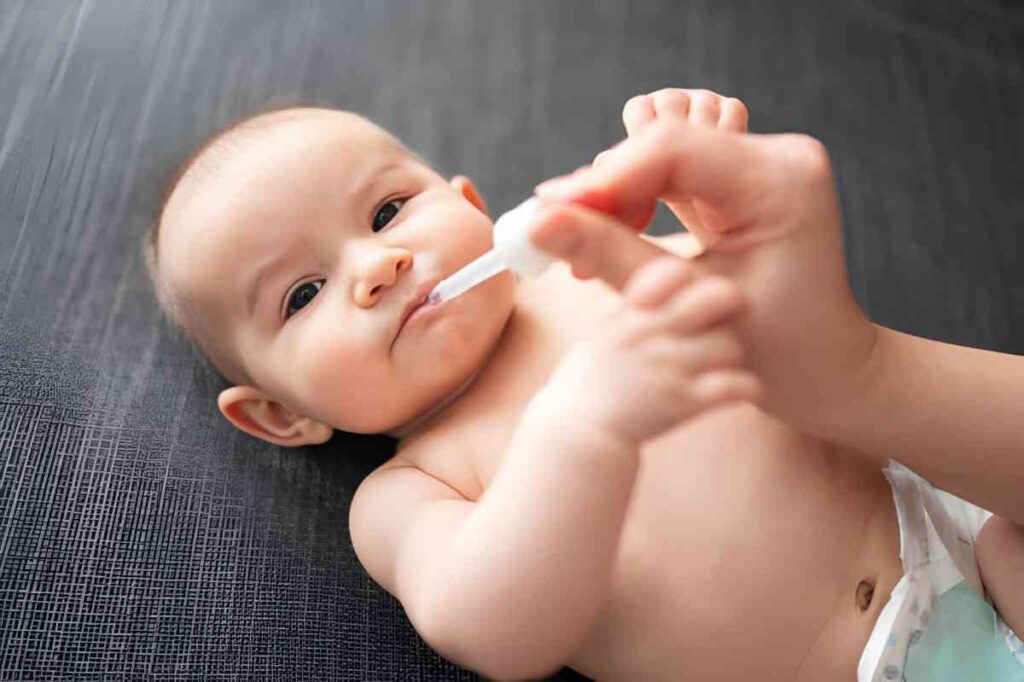
- Saline drops (approved for newborns) can help loosen thick mucus.
- Monitor Temperature:
- Keep track of baby’s temperature regularly.
- Mild fever (below 100.4°F) is common but monitor for spikes.
- Ensure Adequate Rest:
- Allow plenty of sleep and keep the environment calm.
- Keep the baby in an upright position during and after feedings to reduce congestion.
- Humidifier Use:
- A cool-mist humidifier in the baby’s room can keep airways moist and relieve congestion.
| Home Care Measure | Purpose |
|---|---|
| Frequent Feeding | Prevent dehydration |
| Bulb Syringe Suction | Remove nasal mucus |
| Saline Drops | Loosen thick mucus |
| Monitor Temperature | Detect worsening condition |
| Upright Positioning | Easier breathing |
| Cool-Mist Humidifier | Moistens airways, reduces irritation |
When to See a Pediatrician
| Red Flag Symptoms | Action |
|---|---|
| Fever > 100.4°F (38°C) | Contact doctor |
| Difficulty Breathing | Immediate medical attention |
| Poor Feeding, Weight Loss | Seek pediatric advice |
| Blue Lips or Skin | Emergency medical care |
| Lethargy or Unresponsiveness | Urgent care needed |
| High-Pitched Cry | Possible discomfort or illness |
Table 3: Red Flag Symptoms That Require Medical Attention
| Symptom | Why It’s Concerning |
|---|---|
| High Fever | Possible infection requiring medical evaluation |
| Trouble Breathing | May indicate RSV, pneumonia, or other respiratory issues |
| Poor Weight Gain | Risk of dehydration or insufficient nutrition |
| Blue Lips | Sign of oxygen deficiency |
| Unresponsiveness | Severe illness indicator |
Preventing Newborn Colds
- Limit Exposure: Avoid crowded places and minimize contact with sick individuals.
- Hand Hygiene: Wash hands before handling the baby.
- Clean Environment: Disinfect toys, surfaces, and bottles regularly.
- Breastfeeding: Provides antibodies to help build immunity.
| Prevention Strategy | Benefit |
|---|---|
| Avoid Sick Visitors | Reduces exposure to viruses |
| Frequent Handwashing | Prevents transmission of germs |
| Clean Bottles and Toys | Removes pathogens |
| Breastfeeding | Boosts immune system naturally |
Comparison: Newborn Cold vs RSV Infection
| Feature | Newborn Cold | RSV Infection |
|---|---|---|
| Nasal Congestion | Mild to moderate | Severe |
| Cough | Mild | Persistent, worsening |
| Fever | Low-grade | Often absent or mild |
| Breathing Difficulty | No | Yes – rapid, labored breathing |
| Feeding Difficulty | Mild | Significant |
| Hospitalization | Rare | Sometimes required |
Table 4: Cold vs RSV in Newborns
| Symptom | Cold | RSV |
|---|---|---|
| Runny Nose | Yes | Yes |
| Mild Cough | Yes | Yes |
| Difficulty Breathing | No | Yes |
| Feeding Difficulty | Mild | Severe |
| Hospitalization | Rare | Sometimes |
Conclusion
A 2-week-old newborn having a cold is common but requires careful monitoring and care. Most colds resolve without complications when managed with proper hydration, gentle nasal suctioning, and rest. However, parents must remain vigilant for red flags such as high fever, difficulty breathing, and poor feeding. Preventive measures like minimizing exposure, maintaining hygiene, and breastfeeding can greatly reduce the risk of infection. Consulting a pediatrician ensures the baby stays safe, healthy, and comfortable during this sensitive early stage.