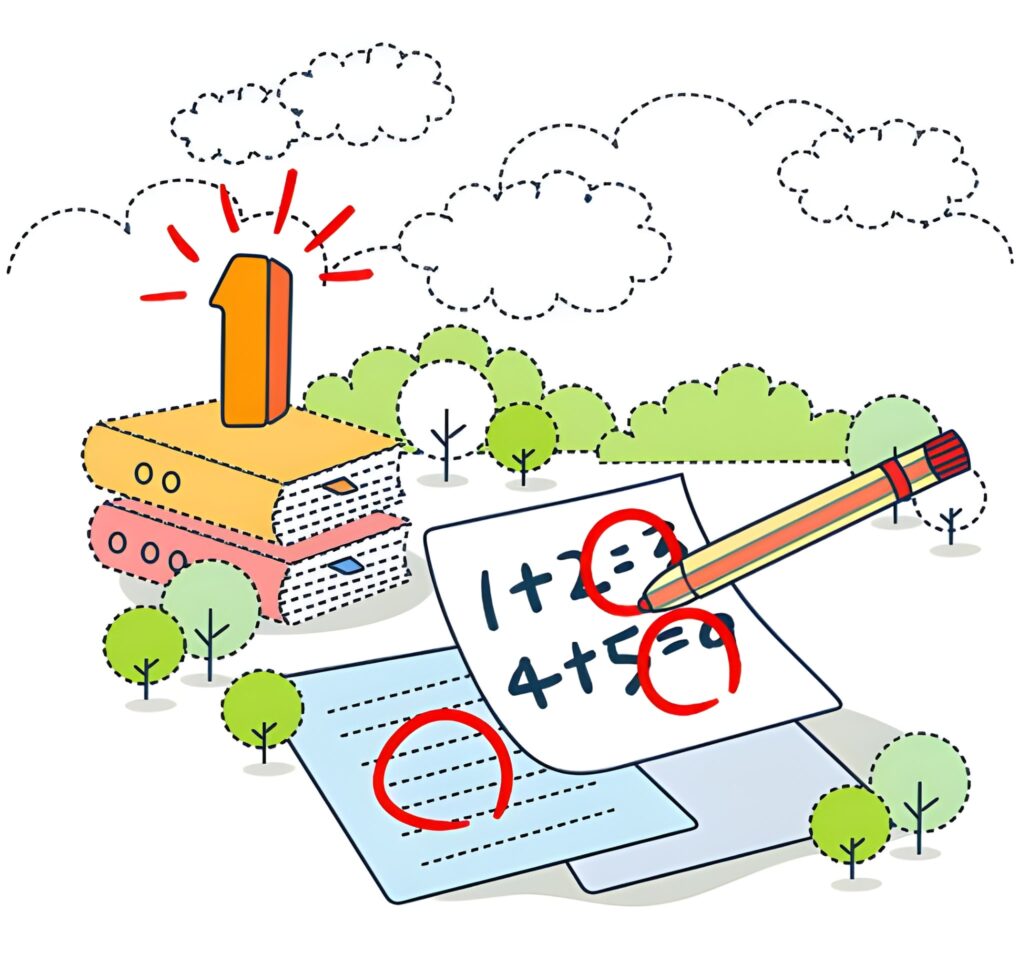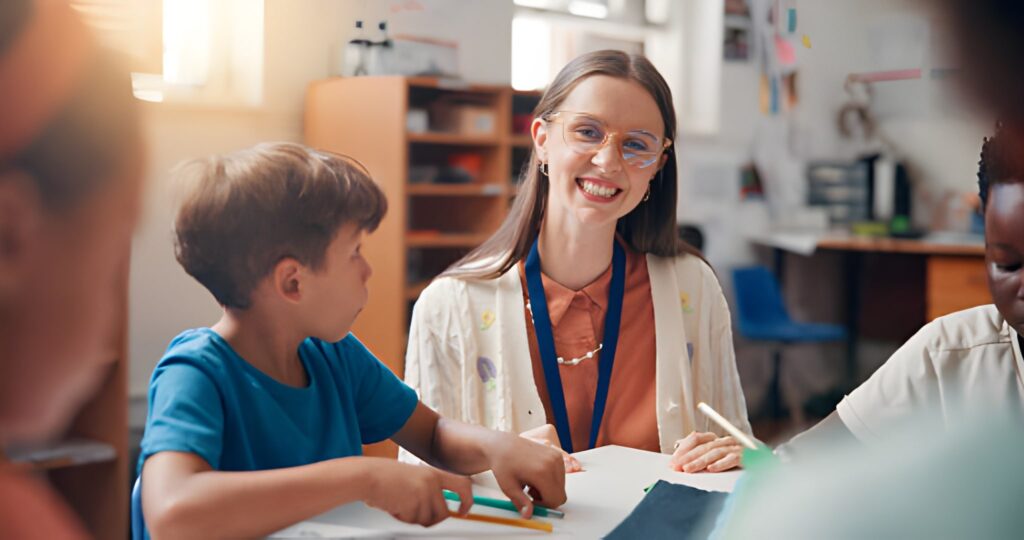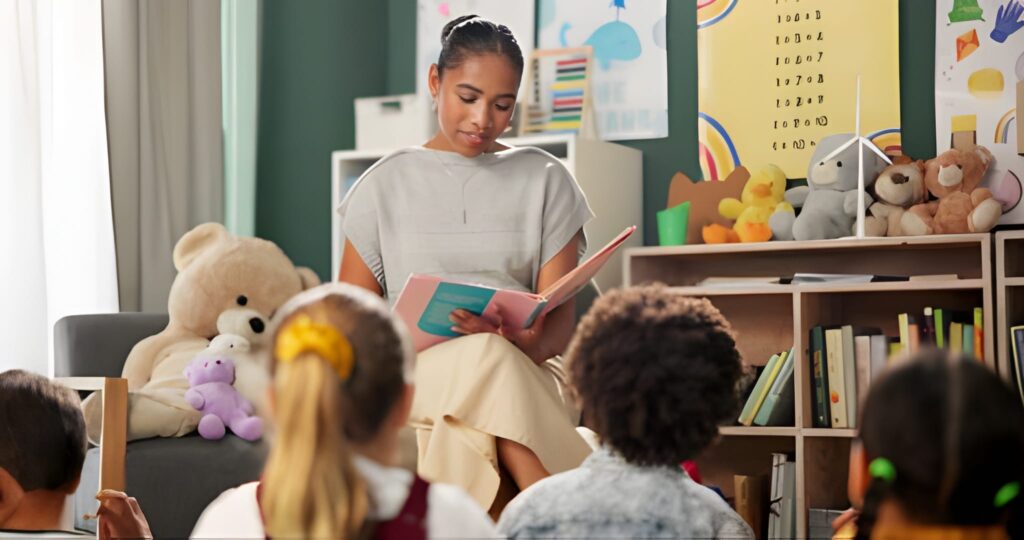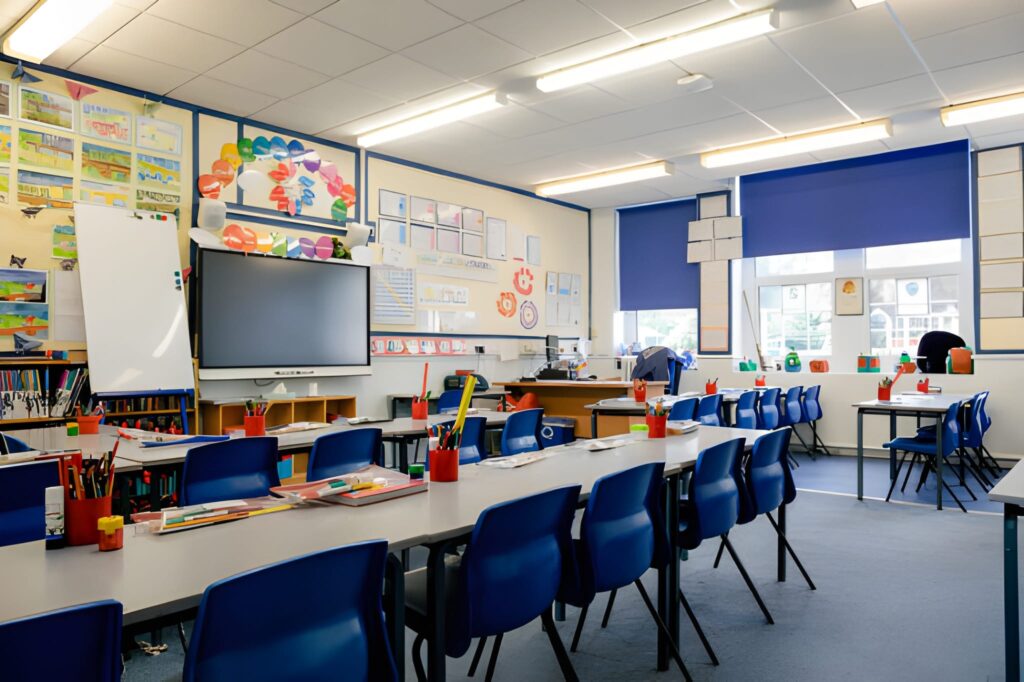
Elementary school serves as the foundation for a child’s academic, social, and emotional development. Between the ages of 5 and 11, children acquire fundamental skills that shape their understanding of the world and prepare them for secondary education. In this article, we explore 100 key lessons, skills, and concepts that students typically encounter in elementary school. These range from academic knowledge in reading, writing, and mathematics to social-emotional learning, creativity, critical thinking, and practical life skills.
1. Reading and Literacy Skills
- Recognizing letters of the alphabet
- Understanding letter sounds (phonics)
- Sight word recognition
- Reading simple sentences
- Comprehending stories and passages
- Identifying main ideas
- Understanding sequence of events
- Drawing conclusions from text
- Making inferences
- Summarizing stories
- Comparing and contrasting characters
- Understanding cause and effect in stories
- Expanding vocabulary
- Recognizing different genres
- Reading fluently with proper expression
2. Writing Skills
16. Holding a pencil correctly
17. Forming letters and numbers
18. Writing full sentences
19. Using punctuation correctly
20. Capitalization rules
21. Writing simple paragraphs
22. Organizing thoughts coherently
23. Spelling basic words
24. Editing and revising work
25. Writing personal narratives
26. Composing letters
27. Writing book reports
28. Writing creative stories
29. Using descriptive language
30. Summarizing information in writing
3. Mathematics and Numeracy Skills
31. Counting numbers sequentially
32. Recognizing numbers
33. Understanding place value
34. Adding single- and double-digit numbers
35. Subtracting numbers
36. Multiplication basics
37. Division basics
38. Understanding fractions
39. Measuring length, weight, and volume
40. Telling time on analog and digital clocks
41. Identifying shapes and patterns
42. Recognizing symmetry
43. Understanding basic graphs and charts
44. Solving word problems
45. Recognizing money denominations
4. Science and Observation
46. Understanding the five senses
47. Learning about plants and animals
48. Observing weather patterns
49. Understanding seasons
50. Introduction to the human body
51. Learning about nutrition and health
52. Exploring habitats
53. Understanding life cycles
54. Learning about forces and motion
55. Introduction to energy forms (light, heat, sound)
56. Observing simple chemical reactions (like baking soda and vinegar)
57. Understanding ecosystems
58. Identifying natural resources
59. Learning about Earth’s layers
60. Understanding basic astronomy (sun, moon, stars)
5. Social Studies and Community Awareness
61. Learning about family structures
62. Recognizing cultural diversity
63. Understanding community roles (firefighters, doctors, teachers)
64. Identifying national symbols
65. Learning about local government
66. Understanding maps and globes
67. Recognizing continents and oceans
68. Introduction to history and timelines
69. Learning about holidays and traditions
70. Understanding citizenship and responsibilities
71. Exploring historical figures
72. Learning about important inventions
73. Understanding basic economics (needs vs. wants)
74. Recognizing different types of communities (urban, rural)
75. Learning about world cultures
6. Arts, Creativity, and Expression
76. Drawing and painting
77. Coloring inside lines
78. Mixing colors
79. Learning basic music notes
80. Singing simple songs
81. Playing rhythm instruments
82. Acting and role-playing
83. Storytelling through art
84. Recognizing famous artists and works
85. Crafting with different materials
86. Expressing emotions through art
87. Creating collages
88. Exploring dance and movement
89. Performing in group activities
90. Appreciating different art forms
7. Social-Emotional Learning and Life Skills
91. Sharing and taking turns
92. Listening to others
93. Following directions
94. Developing empathy
95. Solving conflicts peacefully
96. Practicing patience
97. Understanding personal hygiene
98. Taking responsibility for actions
99. Setting simple goals
100. Building confidence in learning
Tables and Comparisons
Table 1: Academic vs. Life Skills in Elementary School
| Category | Examples of Skills | Practical Benefits |
|---|---|---|
| Academic | Reading, Writing, Math, Science, Social Studies | Foundation for higher education and lifelong learning |
| Life Skills | Sharing, Responsibility, Goal-setting, Hygiene | Promotes social competence and self-care |
Chart 1: Focus Areas of Elementary Education
A pie chart could divide curriculum focus roughly into:
- Academic Skills: 50%
- Social-Emotional Skills: 20%
- Arts and Creativity: 15%
- Life Skills & Practical Knowledge: 15%
Conclusion
Elementary school is a crucial stage in a child’s growth. It provides the first structured opportunity for learning beyond home and lays the groundwork for academic success and personal development. The 100 skills listed above represent a comprehensive spectrum of what children typically encounter in these formative years. From literacy and numeracy to social-emotional understanding and creative expression, these lessons equip children to navigate more complex challenges in middle and high school while fostering curiosity, empathy, and critical thinking.
Children who master these skills develop confidence, resilience, and the ability to interact positively with peers, teachers, and their communities. These foundational experiences serve as stepping stones for lifelong learning, setting the stage for personal and professional success later in life.