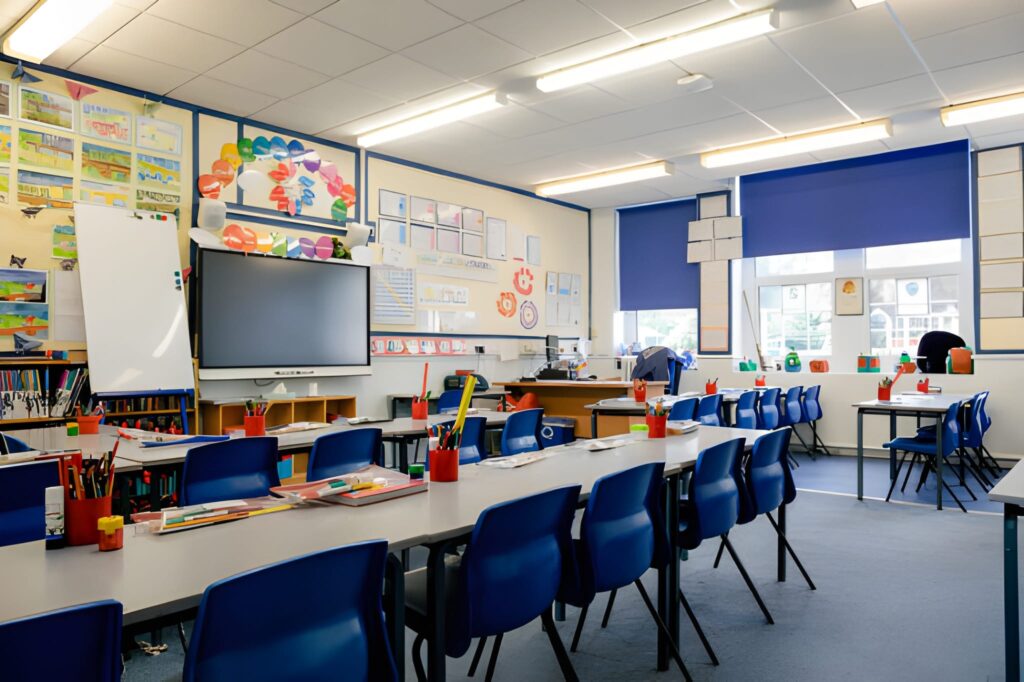
A career in elementary education offers the opportunity to shape young minds, foster curiosity, and develop lifelong learning skills in children. Elementary educators work with students typically between the ages of 5 and 12, teaching foundational subjects such as literacy, mathematics, science, social studies, and social-emotional skills. A career in this field requires not only subject knowledge but also strong interpersonal skills, classroom management strategies, and an understanding of child development. This article explores various career paths in elementary education, qualifications required, job roles, benefits, challenges, and growth opportunities.
1. Overview of Elementary Education Careers
Elementary education careers involve teaching, supporting, or developing programs for young learners. Professionals in this field help students acquire academic knowledge, social skills, and critical thinking abilities.
Career Goals in Elementary Education:
- Deliver engaging and age-appropriate lessons
- Foster academic and social-emotional development
- Support diverse learning needs and inclusive classrooms
- Promote lifelong learning and curiosity
2. Educational Requirements
Most careers in elementary education require formal training and credentials. Requirements vary depending on the position and region.
| Career Path | Typical Qualification | Certification/License Requirement |
|---|---|---|
| Elementary School Teacher | Bachelor’s in Elementary Education (4-year) | State/national teacher certification |
| Special Education Teacher | Bachelor’s in Special Education or Elementary Education | State certification in special education |
| Teaching Assistant | High school diploma or associate degree | Optional paraprofessional certification |
| Curriculum Developer | Bachelor’s or Master’s in Education or related field | No formal teaching license required, but experience preferred |
| Educational Coordinator | Bachelor’s/Master’s in Education | Administrative certification may be required |
3. Career Opportunities in Elementary Education
A. Classroom Teacher
- Teach core subjects to students in grades 1–5
- Develop lesson plans, assess student progress, and manage classroom behavior
- Collaborate with parents, administrators, and colleagues
B. Special Education Teacher
- Work with students who have learning disabilities, behavioral challenges, or developmental delays
- Adapt curriculum and teaching strategies to meet diverse needs
- Collaborate with therapists, counselors, and families
C. Teaching Assistant/Paraprofessional
- Support teachers in classroom management, instruction, and student supervision
- Assist with individualized instruction and small group activities
- Ideal for entry-level positions or as a stepping-stone to becoming a full teacher
D. Curriculum Developer/Instructional Designer
- Design lesson plans, educational programs, and learning materials for elementary students
- Integrate technology and innovative teaching methods
- Collaborate with educators to implement effective curricula
E. Educational Coordinator/Administrator
- Oversee school programs, teacher development, and curriculum implementation
- Ensure adherence to educational standards and student performance monitoring
- Manage professional development programs and school-wide initiatives
F. Tutoring and Enrichment Programs
- Provide individualized or small group instruction in literacy, math, STEM, or arts
- Work in private tutoring centers, online platforms, or after-school programs
4. Skills Required for a Successful Career in Elementary Education
| Skill Area | Description | Application in Classroom |
|---|---|---|
| Communication | Clear verbal and written communication | Explaining concepts, interacting with students and parents |
| Classroom Management | Organizing activities, handling disruptions | Maintaining a productive learning environment |
| Curriculum & Instruction | Knowledge of subjects and teaching strategies | Lesson planning, differentiated instruction |
| Assessment & Evaluation | Monitoring student progress | Creating tests, evaluating projects, providing feedback |
| Technology Integration | Using digital tools | Educational apps, online resources, smart boards |
| Social-Emotional Skills | Empathy, patience, conflict resolution | Supporting students’ emotional growth |
5. Benefits of a Career in Elementary Education
- Impact on Young Lives: Teachers play a pivotal role in shaping future learners
- Job Stability: Consistent demand for qualified educators
- Opportunities for Growth: Advancement to administrative or specialized roles
- Professional Development: Continuous learning through workshops, certifications, and graduate studies
- Work-Life Balance: School schedules often align with family life, with summers off for many positions
6. Challenges in Elementary Education Careers
- Managing diverse learning needs and classroom behaviors
- Meeting administrative requirements and standardized testing expectations
- High emotional investment and responsibility for student outcomes
- Continuous professional development demands to stay current with educational trends
7. Career Advancement Opportunities
| Position | Typical Pathway | Growth Potential |
|---|---|---|
| Classroom Teacher | Bachelor’s → Master’s → Lead Teacher | Department head, grade-level coordinator |
| Special Education Teacher | Specialization certification | Program coordinator, intervention specialist |
| Curriculum Developer | Teaching experience + education degree | Senior curriculum designer, instructional coordinator |
| Educational Administrator | Master’s in Education Leadership | Principal, superintendent, district coordinator |
| Educational Consultant | Experience + advanced degree | Advising schools, developing educational programs |
8. Emerging Trends in Elementary Education Careers
- Technology Integration: Online learning, blended classrooms, digital assessment tools
- STEM/STEAM Focus: Emphasis on science, technology, engineering, arts, and math education
- Inclusive Education: Greater focus on special education and diverse learners
- Social-Emotional Learning (SEL): Programs addressing students’ emotional and interpersonal skills
Comparison Table: Traditional vs Modern Elementary Education Careers
| Feature | Traditional Roles | Modern Roles |
|---|---|---|
| Focus | Core subject instruction | Integrated STEM, SEL, and technology |
| Teaching Methods | Lecture, rote learning | Project-based, collaborative, inquiry-driven |
| Career Path | Classroom → Administration | Classroom → Specialist → EdTech/Consulting |
| Skill Requirements | Subject knowledge | Pedagogy, digital literacy, SEL competence |
| Assessment | Standardized tests | Formative, performance-based, and data-driven |
Conclusion
A career in elementary education offers a rewarding pathway to impact young learners’ academic, social, and emotional development. Opportunities range from classroom teaching and special education to curriculum development, administration, and educational consulting. Success in this field requires a combination of subject knowledge, pedagogical skills, interpersonal abilities, and adaptability to emerging trends. With continuous professional development, dedication, and passion, a career in elementary education can be both fulfilling and influential, shaping the next generation of learners.