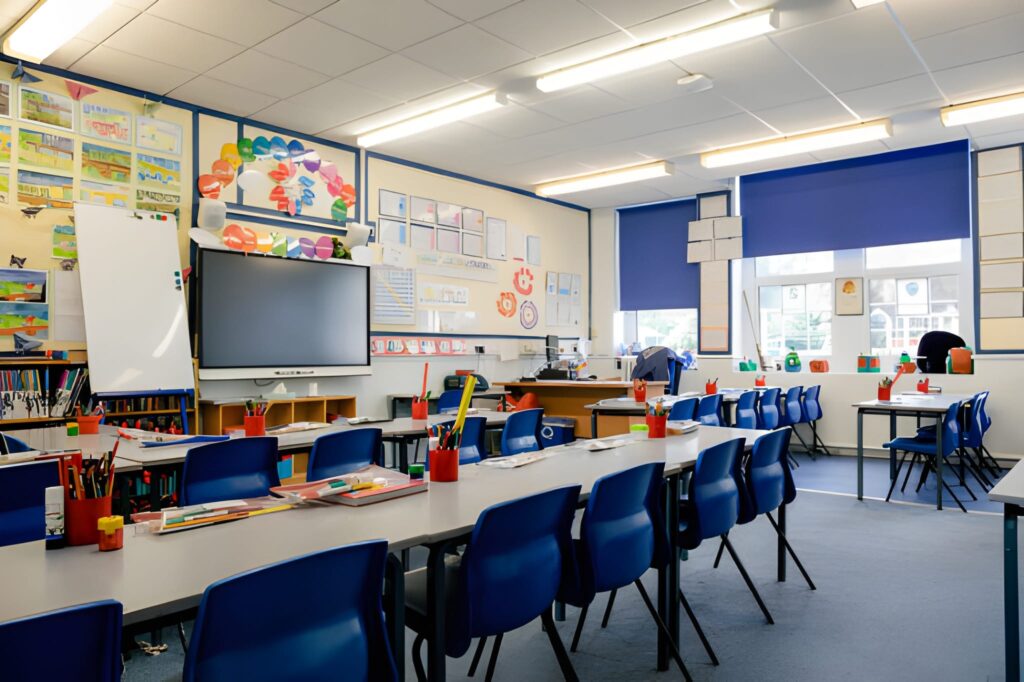
Elementary education is often recognized for its manifest functions, such as imparting literacy, numeracy, and basic knowledge. However, beyond these explicit purposes, elementary education also performs latent functions—unintended or hidden outcomes that influence children, families, and society. Latent functions can include socialization, development of networks, cultural assimilation, and shaping of attitudes and values. Understanding these subtle but powerful effects is essential for educators, policymakers, and parents who aim to provide a holistic education that prepares students for both academic success and social integration.
1. Defining Latent Functions in Education
A latent function refers to the unintended or unrecognized consequences of an institution, policy, or practice. In the context of elementary education, these are outcomes that go beyond the explicit goal of teaching subjects and skills. Sociologist Talcott Parsons and functionalist theorists highlight that education shapes social norms, prepares individuals for societal roles, and fosters cohesion, often in ways not directly addressed in the formal curriculum.
2. Key Latent Functions of Elementary Education
| Latent Function | Description | Example in Elementary School |
|---|---|---|
| Socialization | Children learn social norms, values, and behaviors | Sharing, taking turns, following rules, respecting authority |
| Peer Network Formation | Students build friendships and social networks | Group projects, recess interactions, clubs |
| Cultural Transmission | Implicitly conveys cultural knowledge and norms | School rituals, holidays, and storytelling reflecting societal values |
| Development of Work Habits | Encourages discipline, responsibility, and time management | Completing homework, adhering to schedules, participation in classroom tasks |
| Emotional Regulation | Students learn to manage emotions in social contexts | Handling conflicts, coping with disappointment, teamwork |
| Social Stratification | Education can unintentionally reinforce inequalities | Tracking, gifted programs, access to resources influenced by socioeconomic status |
| Civic and Moral Orientation | Instills civic responsibility and ethical behavior | Classroom rules, community service projects, voting simulations |
| Hidden Curriculum | Unstated lessons about competition, conformity, and gender roles | Observing teacher-student dynamics, implicit expectations about behavior |
3. Examples of Latent Functions in Practice
A. Socialization and Peer Networks
Through group work, playground interactions, and classroom collaboration, children develop skills such as negotiation, empathy, leadership, and conflict resolution. These skills are not explicitly taught but emerge naturally through social engagement.
B. Cultural Transmission and Civic Values
Elementary schools often celebrate cultural events, national holidays, and community service days. Students internalize societal norms, respect for authority, and collective values, preparing them to participate meaningfully in society.
C. Development of Emotional and Cognitive Habits
Classroom routines, such as waiting in line or taking turns, teach patience and self-regulation. Assignments, deadlines, and feedback foster persistence, responsibility, and critical thinking—latent outcomes that support future academic and workplace success.
4. Comparison: Manifest vs Latent Functions
| Function Type | Purpose | Examples |
|---|---|---|
| Manifest Function | Intended and recognized outcomes | Literacy, numeracy, basic science knowledge |
| Latent Function | Unintended or hidden outcomes | Social norms, peer relationships, emotional regulation, cultural values |
5. Implications for Educators and Policy Makers
- Recognizing latent functions helps educators create environments that promote positive social, emotional, and ethical development.
- Awareness of latent outcomes can reduce negative consequences, such as reinforcing inequalities or gender stereotypes.
- Policies can be designed to enhance beneficial latent functions, e.g., inclusive group work, diversity celebrations, and social-emotional learning programs.
6. Challenges in Addressing Latent Functions
- Latent outcomes are difficult to measure quantitatively
- They can vary across socioeconomic, cultural, and regional contexts
- Some latent functions may be unintendedly negative, such as social stratification or reinforcing biases
- Balancing academic rigor with fostering positive latent outcomes requires intentional planning
7. Strategies to Enhance Positive Latent Functions in Elementary Education
| Strategy | Implementation | Expected Outcome |
|---|---|---|
| Cooperative Learning | Small group projects and peer mentoring | Improved social skills, teamwork, empathy |
| Social-Emotional Learning (SEL) | Classroom discussions on emotions, mindfulness exercises | Better emotional regulation, resilience, and interpersonal skills |
| Inclusive Practices | Differentiated instruction, anti-bias education | Reduces social inequalities, fosters cultural awareness |
| Extracurricular Engagement | Clubs, arts, sports | Peer networking, leadership, creativity |
| Reflection and Discussion | Journals, class meetings | Development of self-awareness, ethical reasoning |
8. Case Study Example
In a suburban elementary school, students participate in a community garden project. While the manifest goal is to teach science and plant biology, the latent functions include:
- Cooperation and teamwork among students
- Leadership skills in planning and organizing tasks
- Civic responsibility through community engagement
- Environmental awareness and ethical decision-making
Conclusion
The latent functions of elementary education play a crucial role in shaping well-rounded individuals capable of social, moral, and civic engagement. While the manifest functions—reading, writing, arithmetic—remain central, the hidden lessons about social behavior, emotional intelligence, cultural norms, and personal responsibility profoundly influence a child’s development and society at large. Educators who understand and intentionally foster positive latent functions can create classrooms that nurture not only intellectual growth but also ethical, social, and emotional competence, preparing students for the complexities of modern life.