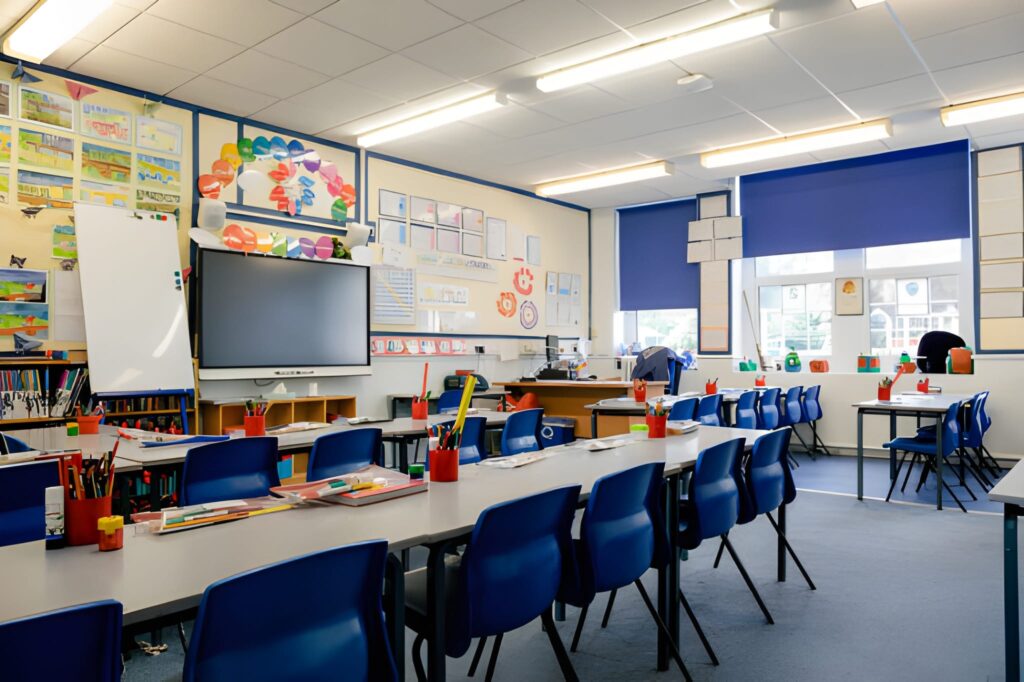
The Diploma in Elementary Education (D.El.Ed) is a two-year professional teacher training program designed to prepare individuals for teaching positions in primary and upper primary schools (Classes 1 to 8). This course equips aspiring educators with the necessary skills, knowledge, and practical experience to foster effective learning environments for young learners.
Course Overview
Duration and Structure
The D.El.Ed program typically spans two years, divided into four semesters. It combines classroom-based theoretical instruction with practical teaching experiences. Some institutions may also offer distance learning or online modules to accommodate working professionals or candidates in remote areas.
Eligibility Criteria
Candidates must have completed their 10+2 (Intermediate) education from a recognized board, with a minimum aggregate of around 50%, although this can vary by state or institution. The usual age range for applicants is 17 to 35 years, depending on state regulations. Some institutions may have specific quotas or relaxations for reserved categories.
Admission Process
Admission to D.El.Ed programs usually involves either state-level entrance exams or merit-based selection. For instance, Rajasthan conducts the Pre D.El.Ed (BSTC) exam, Uttar Pradesh has the UPTET (Uttar Pradesh Teacher Eligibility Test), and Bihar conducts the BPSC Teacher Recruitment Examination. Candidates are required to register online, submit necessary documents, pay the application fee, and appear for the exam. Successful candidates are then called for counseling sessions where seats are allocated based on merit and preference.
Curriculum and Syllabus
The D.El.Ed curriculum emphasizes child development, pedagogy, and subject-specific teaching methods. While exact syllabi differ across institutions, the program generally includes the following areas:
Year 1
Child Development and Learning: Focuses on physical, cognitive, emotional, and social development of children. Candidates study learning theories and their practical application in classroom settings. Language and Literacy: Covers development of reading, writing, speaking, and comprehension skills. Candidates learn innovative teaching strategies to enhance literacy among young learners. Mathematics Education: Introduces fundamental mathematical concepts and methods for effective classroom instruction. Emphasis is placed on activity-based and problem-solving approaches. Environmental Studies: Provides an understanding of environmental concepts and sustainable practices, along with strategies to incorporate these lessons into classroom teaching. Pedagogical Practices: Includes classroom management, lesson planning, assessment methods, and teaching aids to enhance student engagement.
Year 2
Social Science Education: Focuses on teaching history, geography, civics, and culture. Candidates learn how to integrate social studies into daily learning experiences. Art and Aesthetic Education: Emphasizes creative expression, fine arts, music, and drama, highlighting their role in overall child development. Health and Physical Education: Covers basic health education, nutrition, physical activity, and strategies to promote physical well-being among students. ICT in Education: Introduces technology in teaching, including digital learning tools, educational software, and virtual classroom management. School Internship/Practical Training: Provides hands-on experience where candidates teach under supervision in real classroom settings. Assessment includes lesson planning, classroom execution, student interaction, and feedback analysis.
Skills Developed
Graduates of the D.El.Ed program develop multiple competencies essential for effective teaching. These include lesson planning, classroom management, evaluation techniques, communication skills, adaptability, and understanding of diverse learning needs. Emphasis is also placed on emotional intelligence, empathy, and fostering inclusive learning environments.
Career Opportunities
A D.El.Ed qualification opens various career pathways in elementary education. Graduates can work as primary school teachers, teaching assistants, or educational coordinators. They may find employment in government-run schools, private institutions, or NGOs focused on child development and education. Additionally, candidates may pursue further studies such as a Bachelor of Education (B.Ed) or specialize in special education, educational technology, or curriculum design. Comparative analysis of career options:
| Career Option | Requirements | Average Salary (USD/Year) | Key Responsibilities |
|---|---|---|---|
| Primary School Teacher | D.El.Ed | 35,000–50,000 | Classroom instruction, lesson planning, student evaluation |
| Teaching Assistant | D.El.Ed | 25,000–35,000 | Supporting teachers, managing classroom activities |
| Educational Coordinator | D.El.Ed + Experience | 45,000–60,000 | Curriculum implementation, teacher training, program coordination |
| Special Education Assistant | D.El.Ed + Certification | 30,000–45,000 | Supporting students with disabilities, adapting lessons, counseling |
Advantages of Pursuing D.El.Ed
D.El.Ed offers several benefits. It provides foundational knowledge for teaching young learners, develops professional teaching skills, and enhances employability in elementary education. The program also emphasizes inclusive education, preparing candidates to address diverse student needs, including children with learning difficulties. Additionally, it allows candidates to enter government teaching services through state-level eligibility tests.
Challenges and Considerations
While the D.El.Ed program is valuable, candidates must be prepared for its challenges. Teaching young children requires patience, creativity, and strong communication skills. Managing large classrooms and diverse learning abilities can be demanding. Candidates should also remain updated with evolving educational methodologies, policies, and technology integration to remain effective in modern classrooms.
Future Prospects
Graduates can enhance their qualifications with higher education such as B.Ed, M.Ed, or specialized certifications in early childhood education, special education, or educational leadership. With increasing focus on quality elementary education globally, trained teachers are in demand for curriculum development, teacher training, and educational consultancy. Emerging opportunities include educational content creation, e-learning platforms, and inclusive education programs.
Conclusion
The Diploma in Elementary Education is a comprehensive program that prepares individuals to become competent and compassionate educators. By combining theoretical knowledge, practical training, and pedagogical skills, D.El.Ed equips candidates to create engaging, inclusive, and effective learning environments for elementary students. With diverse career pathways, opportunities for higher education, and the growing need for skilled educators, the D.El.Ed remains a valuable stepping stone for anyone pursuing a career in primary education.