Early childhood is a critical period where the foundation for lifelong learning, behavior, and well-being is established. The first years of life are marked by rapid brain development, with neural connections forming at an astonishing rate. Research from the Center on the Developing Child at Harvard University indicates that 90% of a child’s brain develops by age five, making early learning a cornerstone of future success. The concept of “3 Steps Early Learning” provides a structured framework for parents, caregivers, and educators to guide children through these formative years, emphasizing three essential stages: building secure foundations, encouraging exploration and curiosity, and preparing for structured learning. This approach simplifies the complex journey of child development, offering practical strategies that respect individual differences and adapt to diverse socioeconomic contexts.
Why Early Learning Matters
Early learning is more than acquiring knowledge; it is the cultivation of cognitive, social, and emotional skills that underpin all future learning. Children who experience supportive, responsive environments develop stronger problem-solving abilities, social skills, and emotional regulation. In the United States, early learning also influences social and economic outcomes. Studies consistently show that children who attend quality early learning programs are more likely to graduate high school, pursue higher education, and achieve stable employment, while those lacking early enrichment may face challenges in academic achievement and social adaptation. Quality early learning is particularly impactful in low-resource communities, where access to stimulating environments can mitigate educational disparities and promote equitable development.
Overview of the 3 Steps Early Learning Framework
The three-step framework organizes early learning into a progression that aligns with natural developmental stages. Step One focuses on building secure foundations during infancy and toddlerhood. Step Two emphasizes exploration and curiosity as children engage with their environment and develop early literacy and numeracy skills. Step Three prepares children for structured learning by fostering school readiness, self-regulation, and cooperative social behaviors. These steps are interconnected and cumulative, ensuring a smooth transition from dependent infancy to independent learning readiness.
Step One: Building Secure Foundations
The first step, beginning at birth and continuing through approximately age two, centers on emotional security, early communication, sensory experiences, and physical well-being. A strong foundation in these areas supports all subsequent learning.
Key Elements
Attachment and Relationships: Secure attachment between caregivers and children builds trust and resilience. Consistent responsiveness helps children regulate emotions and navigate new experiences with confidence.
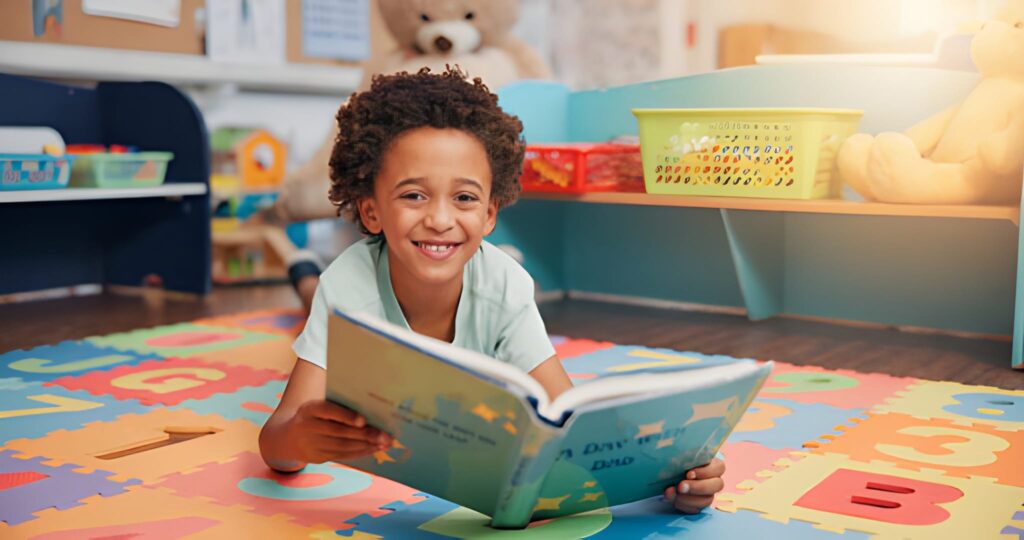
Language and Communication: Exposure to language through responsive conversation, singing, and reading lays the groundwork for vocabulary acquisition and cognitive processing.
Sensory Exploration: Engagement of all senses—touch, taste, sight, hearing, and movement—stimulates neural pathways that support learning.
Health and Nutrition: Adequate sleep, balanced nutrition, and preventive healthcare establish the biological foundation necessary for growth and brain development.
Strategies for Parents and Educators
Maintaining consistent eye contact and responding promptly to infants’ cues fosters secure attachment. Reading aloud daily, even to very young children, promotes language development. Offering safe, varied sensory experiences such as textured toys, water play, and music supports neural growth. Establishing predictable routines provides comfort and security, reinforcing children’s sense of safety and order.
Data Table: Foundations of Step One
| Area of Development | Typical Milestones (0–2 years) | Supportive Practices |
|---|---|---|
| Emotional Security | Recognizes caregiver, seeks comfort | Consistent soothing, physical affection |
| Language | Babbles, says first words | Talking, singing, reading aloud |
| Motor Skills | Rolls, crawls, walks | Tummy time, safe exploration |
| Cognitive | Explores cause and effect | Simple games like peek-a-boo or stacking blocks |
Step Two: Encouraging Exploration and Curiosity
As children progress from ages two to four, they naturally develop curiosity and a desire to explore their environment. This stage emphasizes active discovery, problem-solving, and social interaction.
Key Elements
Play as Learning: Play is central to development, allowing children to test ideas, develop social skills, and solve problems.
Language Expansion: Rapid vocabulary growth and sentence formation enhance communication and comprehension.
Early Numeracy and Literacy: Exposure to shapes, numbers, letters, and patterns begins the foundation of academic skills.
Social Interaction: Cooperative play helps children learn empathy, negotiation, and conflict resolution.
Strategies for Parents and Educators
Provide open-ended toys such as blocks, puzzles, and art supplies to encourage creativity and problem-solving. Outdoor play supports motor development and observational skills. Ask open-ended questions to stimulate thinking and reasoning. Model curiosity and exploration through everyday activities, such as cooking, gardening, or building projects.
Chart: Literacy and Numeracy Readiness
| Age | Literacy Skills | Numeracy Skills |
|---|---|---|
| 2–3 years | Recognizes pictures, enjoys rhymes | Identifies one and two, sorts objects by size |
| 3–4 years | Recognizes some letters, writes simple marks | Counts to five, identifies basic shapes |
| 4–5 years | Recognizes own name, recalls simple stories | Counts to ten, matches numbers to objects |
Comparative Perspective
| Factor | Low-Resource Settings | High-Resource Settings |
|---|---|---|
| Play Materials | Household objects like spoons, boxes, fabrics | Educational toys, books, digital learning tools |
| Exposure | Family interactions, local environment | Preschools, museums, structured programs |
| Literacy Support | Oral storytelling, community libraries | Digital apps, advanced reading materials |
Step Three: Preparing for Structured Learning
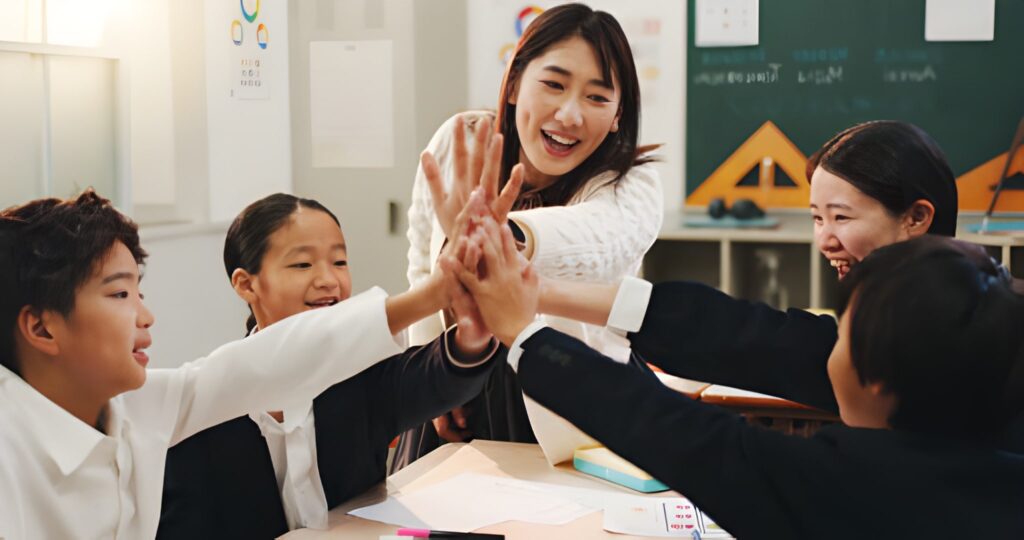
Between ages four and six, children prepare for formal schooling. Step Three focuses on school readiness skills, self-regulation, social competence, and problem-solving abilities.
Key Elements
School Readiness Skills: Recognizing letters and numbers, following instructions, and expressing ideas clearly.
Self-Regulation: Managing emotions, taking turns, and completing tasks independently.
Social and Cooperative Play: Collaboration with peers, sharing roles, and resolving conflicts.
Problem-Solving and Creativity: Applying imagination to design solutions and approach challenges.
Strategies for Parents and Educators
Introduce routines that mirror classroom expectations, such as circle time and group activities. Encourage storytelling, drawing, and role-playing to strengthen narrative and cognitive skills. Use counting games, sorting activities, and matching exercises to develop early numeracy. Support emotional literacy by helping children label and discuss feelings, which enhances self-regulation and empathy.
Data Table: Indicators of School Readiness
| Domain | Indicators | Examples |
|---|---|---|
| Cognitive | Identifies letters, counts objects | Recognizes A–Z, counts to 20 |
| Social | Plays cooperatively | Builds block structures with peers |
| Emotional | Manages frustration | Waits in line without distress |
| Language | Uses complex sentences | “I went to the park and saw a big dog” |
Challenges in Implementing the 3 Steps
Socioeconomic factors affect access to quality early learning in the United States. Families with limited financial resources may face challenges in finding affordable early learning programs. Working parents often struggle to provide consistent engagement, and cultural differences influence approaches to early learning. Addressing these challenges requires creative solutions such as community-based centers, library programs, bilingual resources, and integrating learning into daily routines.
Table: Addressing Inequities in Early Learning
| Challenge | Possible Solutions |
|---|---|
| Limited resources | Community-based programs, public library initiatives |
| Time constraints | Integrating learning into daily activities |
| Language barriers | Bilingual resources, caregiver workshops |
Integrating the 3 Steps: A Unified Path
The three steps overlap and reinforce each other. Secure attachment supports exploration, which in turn prepares children for structured learning. A toddler who feels safe at home engages in imaginative play, which strengthens language and social skills, ultimately preparing them for kindergarten. Families can integrate these steps flexibly, adapting strategies to their child’s developmental pace and context.
Illustration of Integration
A child who develops secure foundations through responsive caregiving (Step One) becomes curious and engages in problem-solving play (Step Two). This experience enhances cognitive, social, and emotional skills, which then supports school readiness, cooperative behavior, and early academic learning (Step Three).
Long-Term Outcomes of 3 Steps Early Learning
Children who experience all three steps of early learning tend to achieve better academic performance, social competence, and life outcomes. Longitudinal studies, including the HighScope Perry Preschool Project, demonstrate that early learning positively influences graduation rates, employment, income, and reduces involvement with the criminal justice system.
Table: Long-Term Outcomes of Early Learning
| Outcome | Children with Early Learning | Children without Early Learning |
|---|---|---|
| High School Graduation | 77% | 60% |
| Stable Employment | 65% | 45% |
| Postsecondary Education | 50% | 30% |
| Criminal Involvement | 15% | 35% |
Conclusion
The 3 Steps Early Learning framework provides a structured, practical roadmap for nurturing children’s development from birth through the preschool years. By focusing on secure foundations, fostering curiosity and exploration, and preparing children for structured learning, families and educators can support well-rounded development that extends into academic and life success. Adaptable to diverse socioeconomic contexts, this framework allows each child to progress at their own pace while ensuring access to critical early experiences that form the basis for lifelong learning, resilience, and well-being.