The Early Years Learning Framework (EYLF) is an essential framework in early childhood education that guides educators in supporting children’s learning and development. Rooted in contemporary research on child development, it emphasizes the importance of play, relationships, and intentional teaching practices in fostering children’s learning from birth to five years. At the heart of the EYLF are five core principles that shape the way educators plan and deliver learning experiences, ensuring children develop holistically—socially, emotionally, cognitively, and physically. Understanding these principles is crucial for parents, educators, and policymakers striving to create meaningful learning environments.
Principle 1: Secure, Respectful, and Reciprocal Relationships
This principle emphasizes the importance of nurturing relationships in a child’s early development. Children learn best in environments where they feel safe, valued, and connected. Secure attachments with educators, caregivers, and peers provide the foundation for emotional regulation, social skills, and a sense of belonging.
- Key Components:
- Building trust through consistent, responsive interactions.
- Encouraging empathy and understanding among children.
- Promoting communication and collaboration.
- Example in Practice: Educators may implement a “circle time” session where children share stories about their day. This activity fosters mutual respect, communication skills, and strengthens the emotional bonds between children and educators.
- Research Insight: Studies show that children with secure early relationships demonstrate better resilience, higher self-esteem, and stronger problem-solving abilities throughout their schooling.
Principle 2: Partnerships
Partnerships extend learning beyond the classroom and involve families, communities, and other professionals in supporting children’s development. Recognizing that families are children’s first educators, EYLF encourages collaborative relationships that respect cultural, linguistic, and individual differences.
- Key Components:
- Active family involvement in learning activities.
- Collaborative planning with community organizations.
- Open communication channels between home and educational settings.
- Example in Practice: An early childhood center may organize a cultural sharing day, inviting families to present traditions, foods, or stories from their heritage. This fosters community engagement and strengthens children’s understanding of diversity.
- Data Insight: According to a report by the Australian Institute of Family Studies, children whose families actively engage with educators show higher cognitive and language outcomes by age five.
Principle 3: High Expectations and Equity
High expectations paired with equity ensure that all children, regardless of their background, abilities, or socioeconomic status, have access to meaningful learning experiences. Educators are encouraged to hold positive expectations while providing tailored support to address individual needs.
- Key Components:
- Creating inclusive learning environments.
- Setting achievable but challenging learning goals.
- Encouraging resilience and self-confidence.
- Example in Practice: An educator observes a child struggling with fine motor skills and provides adaptive tools for art activities, ensuring the child can participate fully alongside peers.
- Comparison Table:
| Aspect | High Expectations | Equity |
|---|---|---|
| Goal Setting | Challenging yet realistic | Adjusted to individual needs |
| Learning Opportunities | Encourages curiosity | Inclusive and accessible |
| Educator Role | Motivator and guide | Supporter and facilitator |
Principle 4: Respect for Diversity
Respecting diversity acknowledges and celebrates differences in culture, language, ability, and family structures. EYLF emphasizes that children develop a stronger sense of identity when they feel their background is understood and valued.
- Key Components:
- Embedding multicultural perspectives in the curriculum.
- Providing resources and activities that reflect diverse experiences.
- Encouraging children to share their unique perspectives.
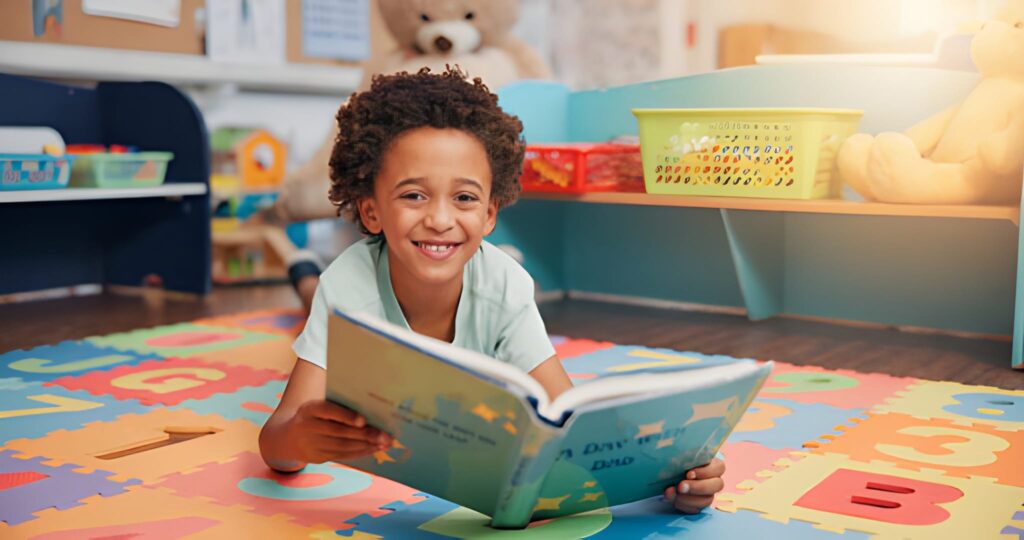
- Example in Practice: A classroom library may include books in multiple languages, featuring stories from different cultural backgrounds, allowing children to see their own culture represented and learn about others.
- Illustration: Imagine a world map displayed in the classroom with markers indicating where each child’s family originates. This visual representation encourages curiosity, respect, and inclusivity.
Principle 5: Ongoing Learning and Reflective Practice
This principle emphasizes the importance of educators engaging in continuous professional learning and reflective practice. By analyzing teaching strategies and children’s responses, educators can adapt and improve their approaches to foster more effective learning outcomes.
- Key Components:
- Continuous professional development for educators.
- Reflecting on teaching strategies and learning outcomes.
- Encouraging innovation and evidence-based practices.
- Example in Practice: After noticing a child struggling with numeracy concepts, an educator reflects on the teaching approach and introduces hands-on, play-based math activities to better suit the child’s learning style.
- Table: Reflective Practice Model
| Stage | Description | Example in Early Childhood Setting |
|---|---|---|
| Observe | Watch children’s interactions and learning | Observing problem-solving during play |
| Reflect | Analyze strengths, gaps, and challenges | Noting difficulty with cooperative tasks |
| Plan | Design strategies to address needs | Introducing collaborative group games |
| Act | Implement new strategies | Using role-play to teach negotiation |
| Evaluate | Assess outcomes and refine approach | Tracking progress in social skills |
Integration of the Five Principles in Practice
The five principles are interconnected and mutually reinforcing. A high-quality early childhood program integrates all five, creating a learning environment that is secure, inclusive, and responsive. For example, a play-based project on gardening can:
- Build secure relationships through cooperative tasks (Principle 1)
- Engage families in planting activities (Principle 2)
- Set high expectations for participation while adapting to individual needs (Principle 3)
- Include plants and traditions from diverse cultures (Principle 4)
- Encourage educators to reflect on learning outcomes and adapt future activities (Principle 5)
Comparison Chart: Traditional vs. EYLF-Informed Early Learning Approach
| Feature | Traditional Early Learning | EYLF-Informed Early Learning |
|---|---|---|
| Focus | Content delivery | Holistic development |
| Role of Educator | Instructor | Facilitator and guide |
| Family Involvement | Limited | Central to learning |
| Learning Approach | Structured, standardized | Play-based, flexible, culturally responsive |
| Assessment | Standardized tests | Observations, reflective practice |
Conclusion
The five principles of the Early Years Learning Framework provide a comprehensive roadmap for supporting young children’s development. By fostering secure relationships, building partnerships, maintaining high expectations with equity, respecting diversity, and engaging in reflective practice, educators can create meaningful, inclusive, and responsive learning environments. These principles not only guide professional practice but also ensure that children develop the skills, confidence, and resilience needed to thrive in school and beyond. Understanding and implementing these principles is essential for educators, parents, and policymakers who aspire to support the holistic growth of every child in their care.