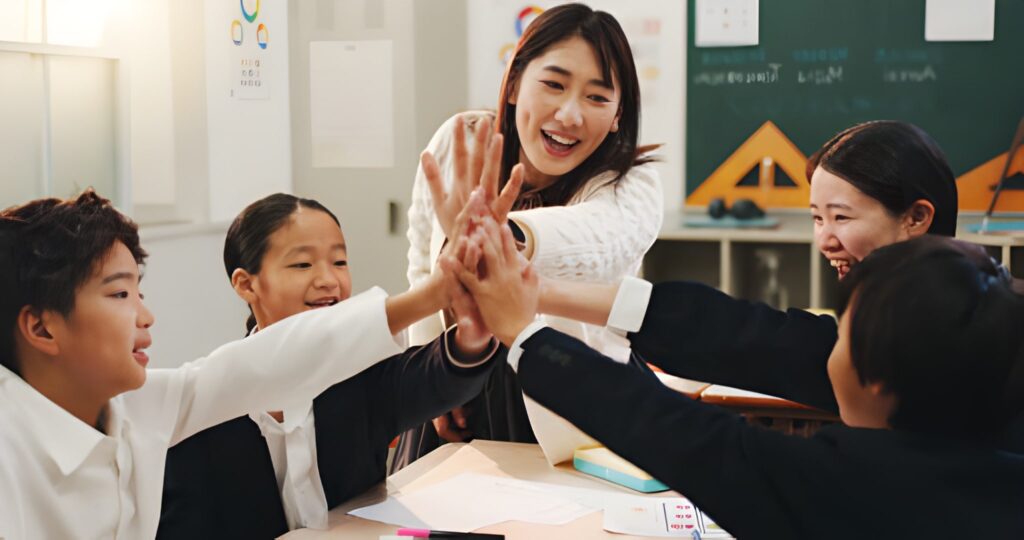
Early learning lays the foundation for a child’s cognitive, social, emotional, and physical development. To support holistic growth, educators and parents can explore a wide range of concepts, activities, and skills organized from A to Z. This A to Z guide provides a framework for understanding key components of early childhood education, offering practical insights, examples, and activities for each letter. It highlights how diverse experiences—from artistic expression to zoology—contribute to well-rounded development in young children.
A – Art and Creativity
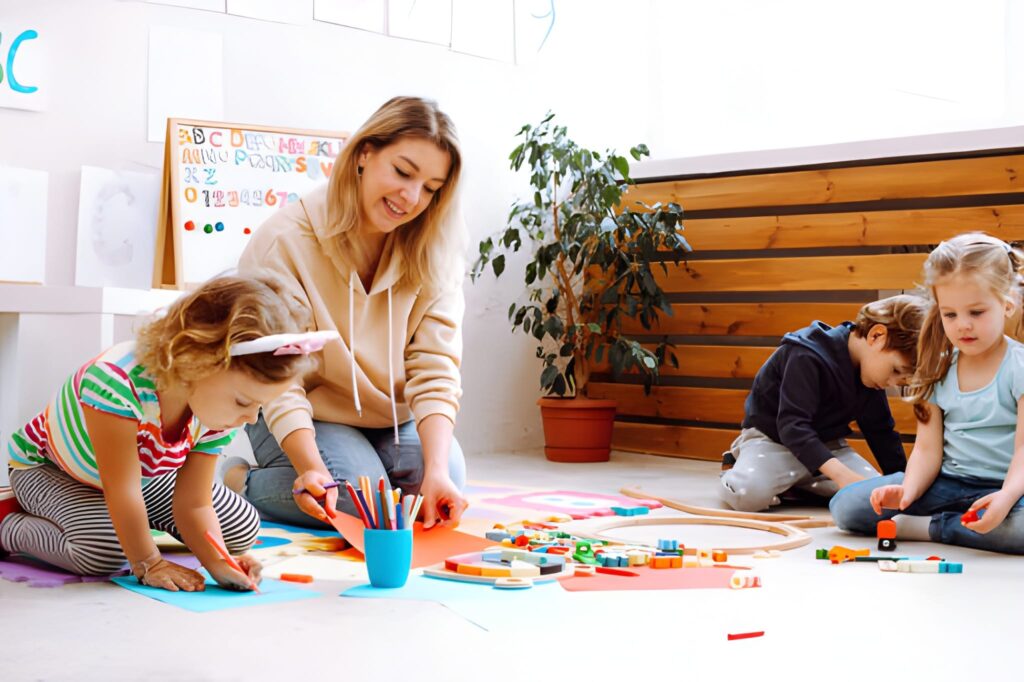
Art encourages imagination, self-expression, and fine motor development. Activities include painting, drawing, clay modeling, and crafting. Art helps children communicate ideas visually and supports cognitive and emotional growth.
- Example: Creating a collaborative mural reflecting a seasonal theme enhances teamwork and creativity.
B – Books and Literacy
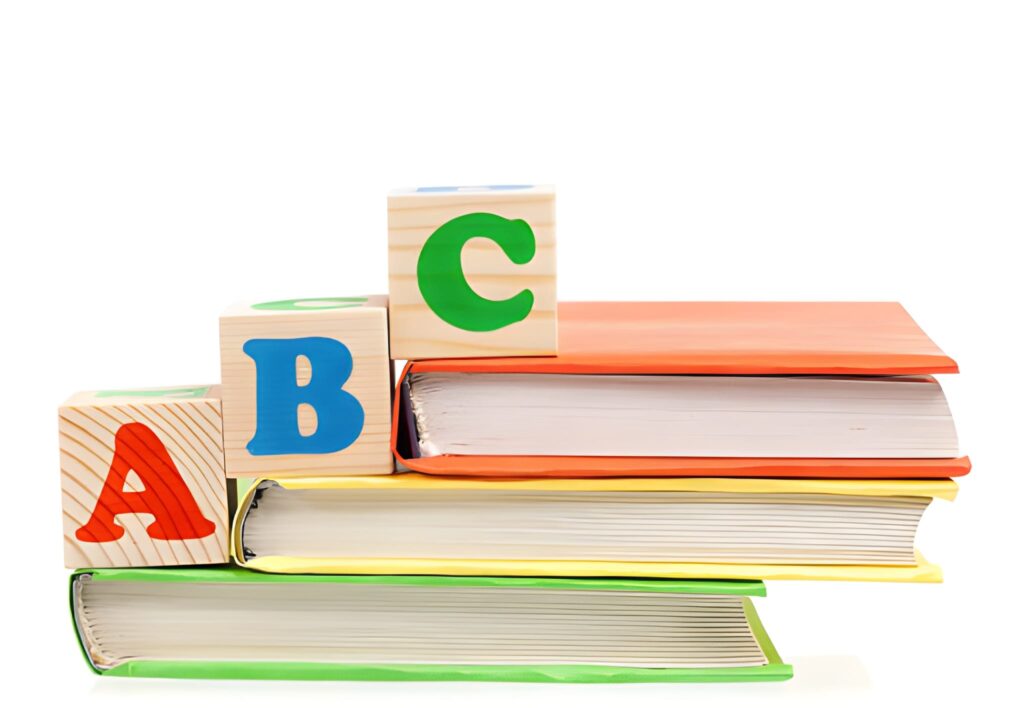
Early exposure to books develops vocabulary, comprehension, and listening skills. Reading aloud, storytelling, and shared book experiences foster a love for literature and improve communication skills.
- Example: Storytime with interactive questions encourages children to predict outcomes and retell narratives.
C – Communication Skills
Communication involves both verbal and non-verbal expression. Encouraging children to articulate thoughts, listen actively, and engage in conversation strengthens social and language development.
- Example: Circle time discussions allow children to share experiences and learn to listen to peers.
D – Dramatic Play
Imaginative role-play helps children understand social roles, develop empathy, and practice problem-solving.
- Example: Setting up a pretend “post office” encourages negotiation, sequencing, and social interaction.
E – Emotional Development
Understanding and managing emotions is essential for resilience and social competence. Activities include emotion recognition games and role-play scenarios.
- Example: Using feeling cards to discuss daily experiences fosters self-awareness and empathy.
F – Fine Motor Skills
Fine motor activities improve hand-eye coordination and dexterity, preparing children for writing, drawing, and self-care tasks.
- Example: Threading beads or using scissors to cut shapes.
G – Gross Motor Skills
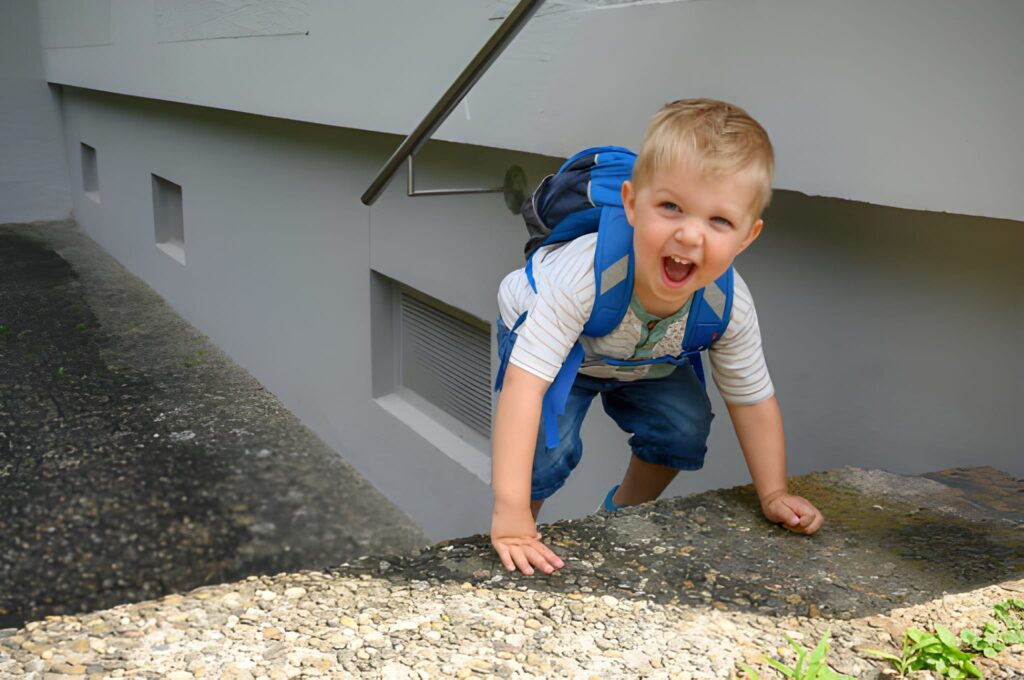
Gross motor development enhances strength, balance, and coordination. Outdoor play, climbing, and dance support physical growth.
- Example: Obstacle courses or ball games improve agility and spatial awareness.
H – Hands-On Learning
Experiential, hands-on activities enhance understanding and retention. Children learn best through exploration and manipulation of materials.
- Example: Water play experiments with cups and measuring tools teach concepts like volume and cause-and-effect.
I – Inquiry and Curiosity
Encouraging questions and exploration fosters critical thinking and problem-solving.
- Example: “Why do leaves fall?” discussions prompt observation and hypothesis-making.
J – Journaling and Recording
Recording observations, drawings, or stories develops literacy, reflection, and self-expression.
- Example: Children document plant growth over weeks, combining science and writing skills.
K – Knowledge of the World
Exploring the natural and social environment helps children understand cultures, communities, and ecosystems.
- Example: Nature walks teach about plants, insects, and seasonal changes.
L – Literacy and Language
Early literacy skills, including phonics, vocabulary, and storytelling, are essential for school readiness.
- Example: Alphabet games and rhyming activities enhance language acquisition.
M – Mathematics
Math skills develop logical thinking, pattern recognition, and problem-solving. Activities include counting, sorting, and measuring.
- Example: Building block towers and counting pieces integrates spatial and numeracy skills.
N – Nutrition and Health Awareness
Understanding nutrition and health fosters lifelong well-being. Activities include preparing healthy snacks and learning about body needs.
- Example: Sorting fruits and vegetables by color or type teaches classification and promotes healthy habits.
O – Observation Skills
Observation enables children to notice details, patterns, and relationships in their environment.
- Example: Observing insects in a garden and recording behaviors strengthens scientific thinking.
P – Physical Development
Physical growth includes both fine and gross motor skills, promoting coordination, strength, and overall health.
- Example: Yoga or stretching routines improve flexibility and body awareness.
Q – Questioning and Curiosity
Encouraging children to ask “why,” “how,” and “what if” questions nurtures critical thinking.
- Example: Exploring shadows with flashlights leads to discussions about light and shapes.
R – Rhythm and Music
Music supports auditory discrimination, coordination, memory, and creative expression.
- Example: Singing, clapping, and playing simple instruments develops rhythm and listening skills.
S – Social Skills
Interacting with peers builds communication, empathy, sharing, and teamwork.
- Example: Cooperative games and group projects teach negotiation and collaboration.
T – Technology Awareness
Age-appropriate technology use can enhance learning when integrated thoughtfully.
- Example: Interactive educational apps for letter recognition or problem-solving.
U – Understanding Diversity
Exposure to different cultures, languages, and abilities fosters respect and inclusivity.
- Example: Celebrating multicultural events through stories, music, and food tasting.
V – Visual Learning
Visual cues, illustrations, and demonstrations enhance comprehension and memory.
- Example: Using charts, diagrams, or visual schedules to support routine and learning concepts.
W – Writing Skills
Writing activities develop literacy, fine motor skills, and self-expression.
- Example: Drawing and labeling a “garden diary” combines art and writing.
X – eXperiments (Hands-On Science)
Simple experiments cultivate observation, hypothesis testing, and problem-solving.
- Example: Mixing baking soda and vinegar to observe chemical reactions.
Y – Yoga and Mindfulness
Mindfulness practices and simple yoga poses promote emotional regulation, focus, and physical coordination.
- Example: Guided breathing and stretching routines calm and energize children.
Z – Zoology and Animal Awareness
Learning about animals and habitats fosters curiosity, responsibility, and understanding of the natural world.
- Example: Classroom pets or visits to a local farm teach care, observation, and ecological concepts.
Integration of A to Z in Early Learning
An effective early learning program weaves multiple letters together in integrated activities. For example, a “farm week” project could include:
- Art (drawing farm animals), Literacy (reading farm stories), Math (counting animals), Science (planting crops), Social Skills (cooperative role-play), and Zoology (observing animal behavior).
Comparison Table: A to Z Learning Integration
| Letter | Focus Area | Example Activity | Skills Developed |
|---|---|---|---|
| A | Art & Creativity | Collaborative mural | Fine motor, creativity |
| C | Communication | Circle discussions | Language, social skills |
| M | Mathematics | Counting blocks | Numeracy, spatial awareness |
| E | Experiential Learning | Planting seeds | Observation, problem-solving |
| R | Rhythm & Music | Singing and clapping | Auditory, coordination |
| Z | Zoology & Animal Awareness | Visiting a farm | Curiosity, empathy, observation |
Conclusion
The A to Z of early learning provides a comprehensive roadmap for nurturing children’s holistic development. By addressing cognitive, social, emotional, physical, and creative domains, educators and parents can create enriched learning environments. Integrating these diverse experiences ensures children develop foundational skills, curiosity, and confidence, preparing them for lifelong learning and success.