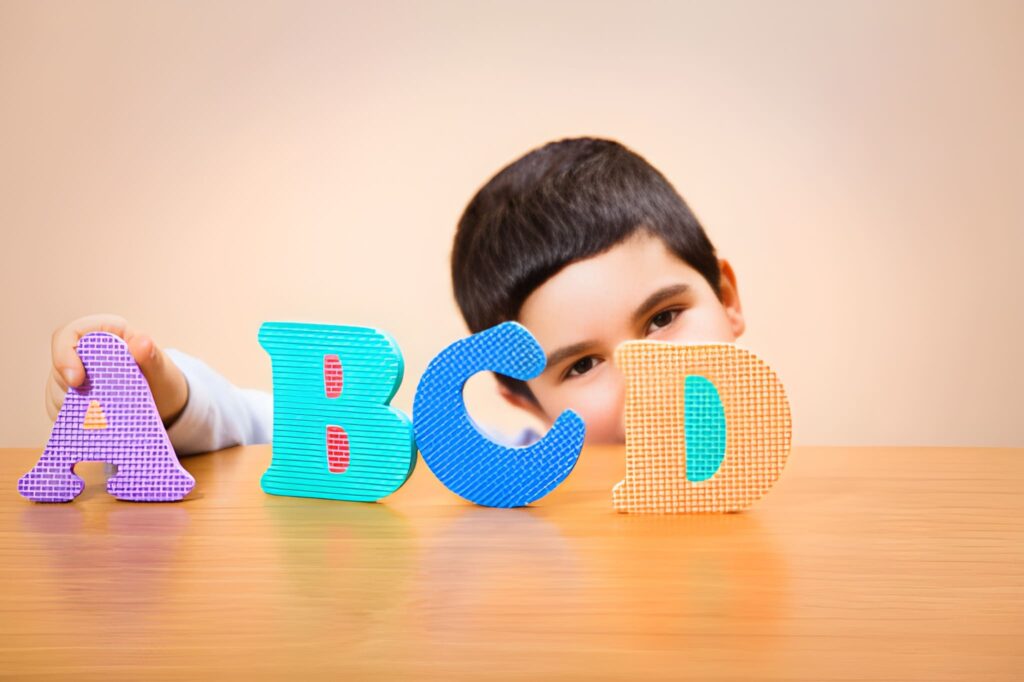
ABCD Head Start Early Learn is an innovative early childhood program designed to provide children with a solid foundation across cognitive, social, emotional, and physical domains. Head Start programs globally have long emphasized school readiness, holistic development, and family engagement, and ABCD Head Start Early Learn builds on these principles with a structured yet playful curriculum. The program focuses on nurturing curiosity, fostering independence, and preparing children for formal education while promoting social competence and self-confidence.
Philosophy and Approach
ABCD Head Start Early Learn adopts a child-centered, inclusive, and holistic philosophy:
- Child-Centered Learning: Recognizing each child’s unique pace, strengths, and interests.
- Play-Based Curriculum: Encouraging learning through exploration, imagination, and hands-on activities.
- Family Engagement: Actively involving parents in learning, supporting home-school connections.
- Holistic Development: Integrating literacy, numeracy, science, arts, social-emotional learning, and physical activity.
- Inclusive Practices: Supporting children with diverse abilities and cultural backgrounds.
Curriculum Structure
The ABCD Head Start Early Learn program is organized into seven core developmental areas:
- Language and Literacy: Early reading, storytelling, vocabulary development, letter recognition, and phonics.
- Mathematics: Counting, basic operations, patterns, shapes, measurement, and problem-solving activities.
- Science and Discovery: Hands-on experiments, observation of nature, cause-and-effect explorations, and sensory play.
- Social-Emotional Development: Cooperation, sharing, empathy, emotional regulation, and conflict resolution.
- Creative Arts: Music, dance, drawing, painting, and imaginative role-play.
- Physical Development: Gross and fine motor skills, coordination, balance, and health awareness.
- Cognitive Development: Critical thinking, problem-solving, memory, attention, and reasoning skills.
Example Learning Activities
- Letter Garden (Language & Literacy): Children match letters to objects or pictures in a garden-themed activity, enhancing phonics and vocabulary.
- Number Hunt (Mathematics): Counting, sequencing, and number recognition through interactive games and manipulatives.
- Tiny Science Lab (Science & Discovery): Simple experiments like floating and sinking objects or plant growth observation teach scientific inquiry.
- Emotion Circle (Social-Emotional): Role-play and discussion about feelings to foster empathy, self-awareness, and interpersonal skills.
- Art & Music Studio (Creative Arts): Drawing, painting, and rhythmic activities develop creativity, fine motor skills, and coordination.
- Movement Zone (Physical Development): Obstacle courses, yoga, and outdoor games enhance gross motor skills, balance, and spatial awareness.
- Puzzle and Problem Area (Cognitive Development): Age-appropriate puzzles, sorting, and sequencing activities strengthen reasoning and concentration.
Table: ABCD Head Start Early Learn – Developmental Focus
| Development Area | Example Activity | Skills Developed |
|---|---|---|
| Language & Literacy | Letter Garden | Phonics, vocabulary, reading readiness |
| Mathematics | Number Hunt | Counting, sequencing, problem-solving |
| Science & Discovery | Tiny Science Lab | Observation, inquiry, critical thinking |
| Social-Emotional Development | Emotion Circle | Empathy, cooperation, self-regulation |
| Creative Arts | Art & Music Studio | Creativity, fine motor skills |
| Physical Development | Movement Zone | Gross motor skills, balance, coordination |
| Cognitive Development | Puzzle & Problem Area | Logic, memory, attention, problem-solving |
Assessment and Progress Tracking
ABCD Head Start Early Learn emphasizes continuous, developmental assessment:
- Observational Records: Teachers document children’s engagement, skills, and interactions.
- Portfolios: Collections of children’s artwork, writings, and activity reflections.
- Milestone Checklists: Track progress across cognitive, social, emotional, and physical domains.
- Parent Engagement: Regular meetings to discuss progress, provide feedback, and suggest home activities.
Benefits of ABCD Head Start Early Learn
- School Readiness: Prepares children for formal education academically, socially, and emotionally.
- Holistic Development: Supports cognitive, social, emotional, and physical growth simultaneously.
- Confidence and Independence: Children gain self-esteem through exploration, decision-making, and problem-solving.
- Family Engagement: Encourages active parent participation, reinforcing skills at home.
- Inclusive Learning Environment: Accommodates diverse learning needs and cultural backgrounds.
Comparison Table: Traditional Early Learning vs. ABCD Head Start Early Learn
| Feature | Traditional Learning | ABCD Head Start Early Learn |
|---|---|---|
| Approach | Teacher-led, structured | Child-centered, playful, interactive |
| Literacy Focus | Limited exposure | Integrated with activities and play |
| Numeracy Approach | Abstract exercises | Hands-on, manipulatives, games |
| Social-Emotional Learning | Minimal emphasis | Integral part of daily curriculum |
| Family Involvement | Occasional | Continuous engagement |
| Inclusivity | Varies | Adapted for diverse learners |
Conclusion
ABCD Head Start Early Learn provides a structured yet playful and holistic approach to early childhood education. By integrating literacy, numeracy, science, arts, physical activity, and social-emotional learning, the program nurtures confident, curious, and capable children ready to thrive in school and beyond. Its focus on child-centered learning, family engagement, and inclusivity ensures that every child receives a strong foundation for lifelong learning.